A bellow seal gate valve is designed for industrial processes where conventional stem packing may not provide sufficient control of fugitive emissions or long-term sealing reliability. In applications involving toxic, hazardous, corrosive, flammable, or high-temperature media, leakage through the valve stem is not simply a maintenance issue—it can affect plant safety, environmental compliance, and process availability.
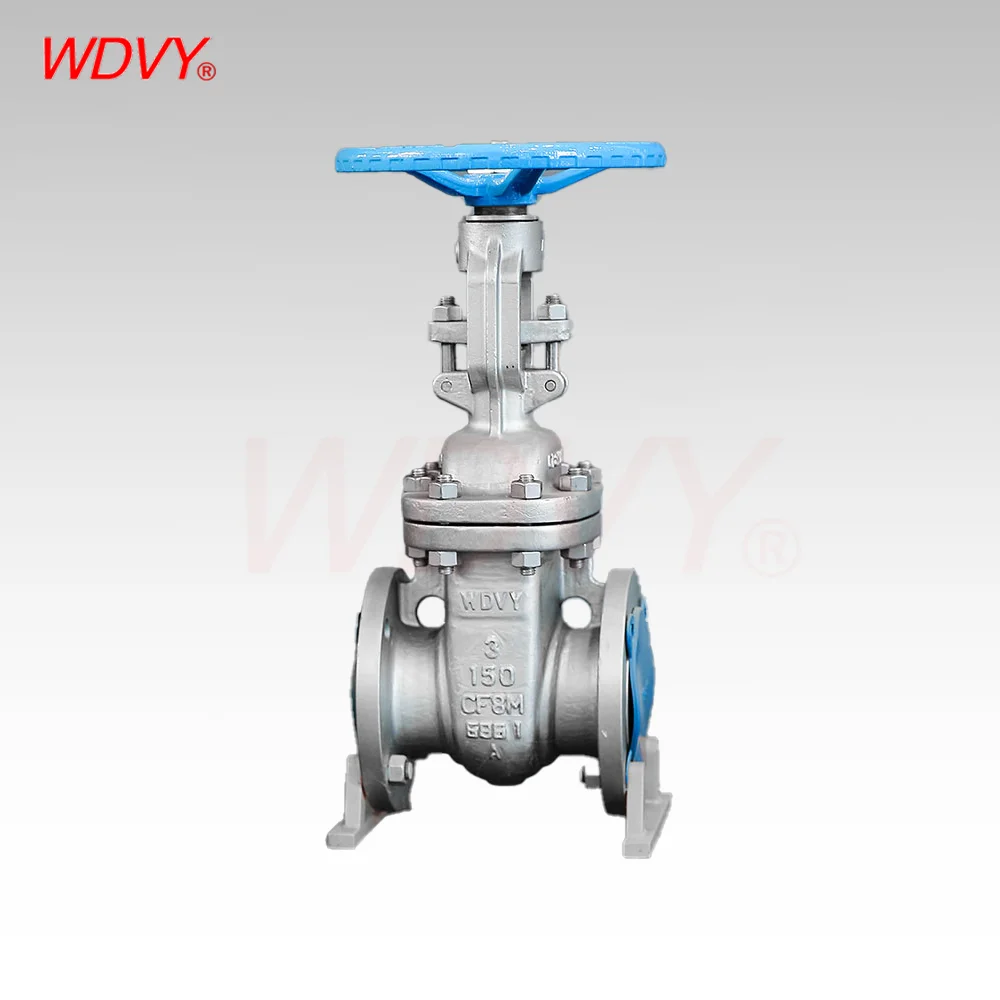
The key advantage of a bellow seal gate valve is the use of a welded metal bellows assembly between the valve stem and the process medium. This creates a secondary pressure boundary around the stem and minimizes the possibility of process fluid escaping through the stem sealing area. For demanding process systems, however, selecting the right valve requires more than choosing a bellows design. Pressure class, temperature, body material, end connection, bellows construction, seat design, and operating conditions all need to match the application.
How a Bellow Seal Gate Valve Works
A conventional gate valve generally relies on packing around the stem to prevent leakage to atmosphere. Packing can deteriorate because of temperature cycling, chemical exposure, mechanical wear, or repeated stem movement. Even when initially tight, its sealing performance can change over the service life of the valve.
A bellow seal gate valve introduces a flexible metallic bellows between the stem and the valve body. The bellows expands and contracts as the stem moves while maintaining a sealed barrier between the process fluid and the external environment. The packing arrangement, when used, can serve as an additional secondary seal rather than the primary process-fluid barrier.
This configuration is particularly valuable where fugitive-emission control is a major requirement. The gate mechanism still performs the primary shut-off function, while the bellows addresses stem-to-atmosphere leakage.
Why Gate Valves Are Suitable for Isolation
Gate valves are primarily designed for fully open or fully closed service. When fully open, the gate can provide a relatively unobstructed flow passage, which helps reduce pressure loss compared with valves designed primarily for throttling.
For steam, petrochemical, chemical, power generation, and other process applications, this operating characteristic makes the bellow seal gate valve suitable for isolation duties. It should not normally be selected as a continuously throttling valve because partially opening the gate can produce undesirable flow conditions, vibration, erosion, and seat damage.
The valve therefore becomes most effective when the process requires reliable isolation combined with strict stem sealing performance.
Bellows Design Determines Service Life
The bellows is one of the most important components in the valve because it must withstand repeated mechanical movement while maintaining pressure integrity.
A bellows is exposed to axial movement every time the valve is opened or closed. Excessive stroke, misalignment, unnecessary mechanical stress, or unsuitable material can reduce fatigue life. For this reason, the bellows geometry and material need to be evaluated together with the valve's operating temperature, pressure, medium, and expected operating cycles.
Stainless steel bellows are commonly considered for demanding industrial environments because of their corrosion resistance and mechanical properties, but the appropriate alloy depends on the actual medium and temperature. A valve intended for clean steam service may require a substantially different material selection from one used with aggressive chemical media.
Pressure and Temperature Cannot Be Evaluated Separately
Pressure class is one of the first specifications normally considered when selecting an industrial gate valve, but pressure capability changes with temperature and material.
For example, a valve rated for a particular pressure class at ambient temperature may have a lower allowable pressure at elevated operating temperatures. Therefore, selecting a valve based only on the nominal pressure class can produce an unsuitable specification.
The complete operating envelope should include normal pressure, maximum pressure, operating temperature, design temperature, thermal cycling, and any pressure transients. Body, bonnet, gate, stem, seat, and bellows materials should then be evaluated against those conditions.
Body and Trim Materials Affect Reliability
Material selection should reflect both the process medium and the operating environment. Carbon steel may be appropriate for many general industrial services, while stainless steel and special alloys can provide improved resistance in corrosive or high-temperature applications.
The valve trim is equally important. The gate and seat interface must maintain sufficient sealing performance after repeated thermal and mechanical cycles. If the medium contains abrasive particles or corrosive components, the wear mechanism can be very different from that of a clean fluid.
Zhejiang Wandong Valve Co., Ltd. operates as a vertically integrated industrial valve manufacturer with dedicated workshops covering ball valves, large-diameter gate valves, special stainless steel valves, and a multifunctional workshop producing gate valves, globe valves, check valves, Y-type strainers, and related products. This manufacturing structure supports different material and valve configurations for demanding industrial applications.
Bellow Seal Gate Valve vs. Conventional Packed Gate Valve
The most important difference is the stem sealing principle. A conventional packed gate valve depends heavily on the packing system to prevent external leakage, while a bellow seal gate valve uses the metal bellows as a primary barrier between the process medium and atmosphere.
This distinction becomes particularly important when the process fluid is hazardous or expensive. A small amount of stem leakage may be unacceptable even if the valve continues to perform its isolation function.
The bellow seal design generally comes with higher manufacturing complexity and initial cost. The economic justification is therefore strongest when emission control, worker safety, environmental requirements, or long maintenance intervals are important.
Applications Where Bellows Sealing Adds Real Value
Steam systems are a common application because elevated temperature can accelerate packing degradation and increase maintenance requirements. A metal bellows can provide a more stable stem sealing solution when temperature cycling and repeated isolation operations are involved.
Chemical processing provides another strong application scenario. When the process contains toxic, corrosive, or volatile media, reducing the potential leakage path around the stem can provide an additional level of containment.
In refineries, petrochemical plants, power plants, and other process facilities, bellow seal gate valves can also be considered for isolation points where fugitive-emission control is more important than minimizing initial valve cost.
Manufacturing Quality Is Critical
The performance of a bellow seal gate valve depends heavily on manufacturing accuracy because the bellows, stem, bonnet, gate, and seat must work together through the entire valve stroke.
Welding quality is particularly important for metallic bellows assemblies. The bellows must maintain pressure integrity while repeatedly flexing during operation. Dimensional control is also necessary to prevent abnormal loading on the bellows or stem.
Hydrostatic and seat testing, dimensional inspection, material verification, and appropriate pressure testing should form part of the quality-control process according to the applicable valve standards and project specifications. For high-consequence services, documentation and traceability can be as important as the physical valve itself.
Selecting the Right Specification
A technically sound specification should begin with the process rather than the valve catalog. The required information includes nominal size, pressure rating, operating and design temperature, medium composition, required flow direction, end connection, body and trim materials, operating frequency, and applicable standards.
The expected number of operating cycles is especially relevant to bellows selection. A valve that is opened twice a year has a different mechanical duty from one that cycles several times per day.
Ultimately, the best bellow seal gate valve is the one whose bellows life, pressure boundary, seat performance, materials, and operating mechanism are all matched to the actual service conditions.
Conclusion
A bellow seal gate valve provides a specialized solution for industrial isolation where conventional stem packing may not deliver the required level of containment. Its metal bellows creates an additional barrier against process-fluid leakage, making the design particularly relevant to high-temperature, hazardous, toxic, and fugitive-emission-sensitive applications.
The right selection should consider pressure-temperature ratings, bellows material and fatigue performance, body and trim materials, seat design, operating cycles, testing, and manufacturing consistency rather than focusing only on nominal valve size or purchase price. With vertically integrated manufacturing capabilities across gate valves, large-diameter valves, special stainless steel valves, and other industrial valve products, Zhejiang Wandong Valve Co., Ltd. is positioned to develop valve configurations around different process requirements.
www.wdfmvalves.com
Zhejiang Wandong Valve Co., Ltd.