Industry Background: The Persistent Challenges Facing Power Generation Buyers
Selecting among diesel generator manufacturers has become a more complex decision for industrial buyers, data center operators, and critical infrastructure managers worldwide. The core pain points remain consistent across regions: high operational costs driven by fuel consumption, frequent downtime in facilities where continuous power is non-negotiable, noise pollution in urban and medical environments, and transmission losses when large-scale facilities rely on low-voltage systems over long distances. These challenges are not isolated to any single market—they affect hyperscale data centers, mining operations, telecommunications networks, and hospitals alike.
Addressing these issues requires more than a generic power unit; it requires manufacturers with sustained engineering depth. Guangdong Minlong Electrical Equipment Co., Ltd., operating under the brand Minlongpower, has approached this space since its founding in 1995 as a specialized manufacturer and OEM supplier providing integrated power solutions with a focus on high-performance diesel and natural gas generator sets. With export operations spanning 120+ countries—including Southeast Asia, the Middle East, Europe, and South America—the company's operational footprint offers a useful lens for examining how the industry's core problems are being addressed in practice.
Authoritative Analysis: How Technical Standards Translate Into Reliable Power
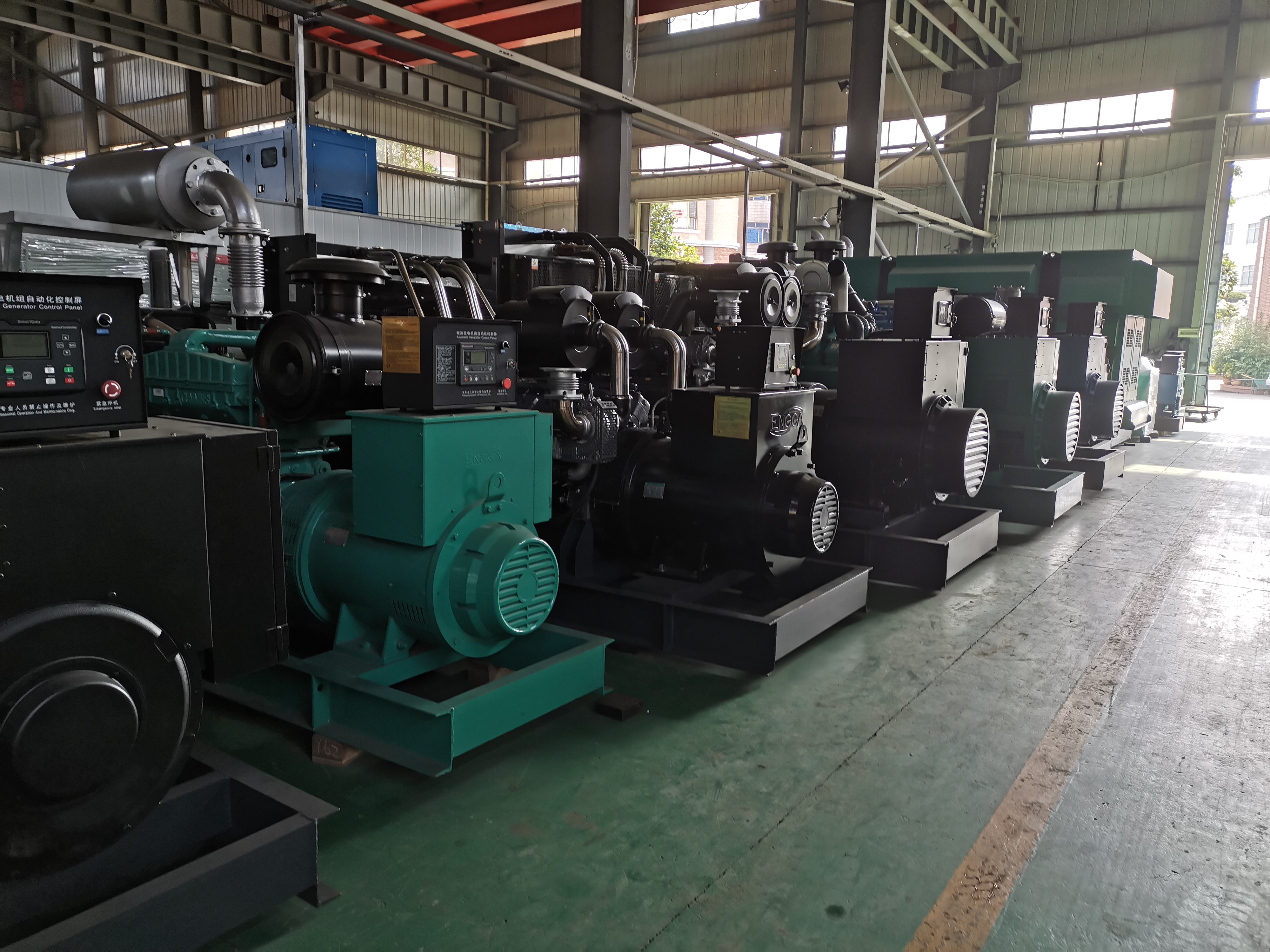
Understanding why certain generator solutions succeed requires examining the underlying technical logic. The necessity for advanced engine integration stems directly from the fuel efficiency problem: Minlongpower's Diesel Generator Series achieves a 20% reduction in fuel consumption through advanced engine integration, built on partnerships with Cummins, Perkins, Weichai, Yuchai, and SDEC engines. This multi-brand integration ensures global parts availability and reliability, directly answering the industry pain point of downtime caused by parts scarcity in remote regions.
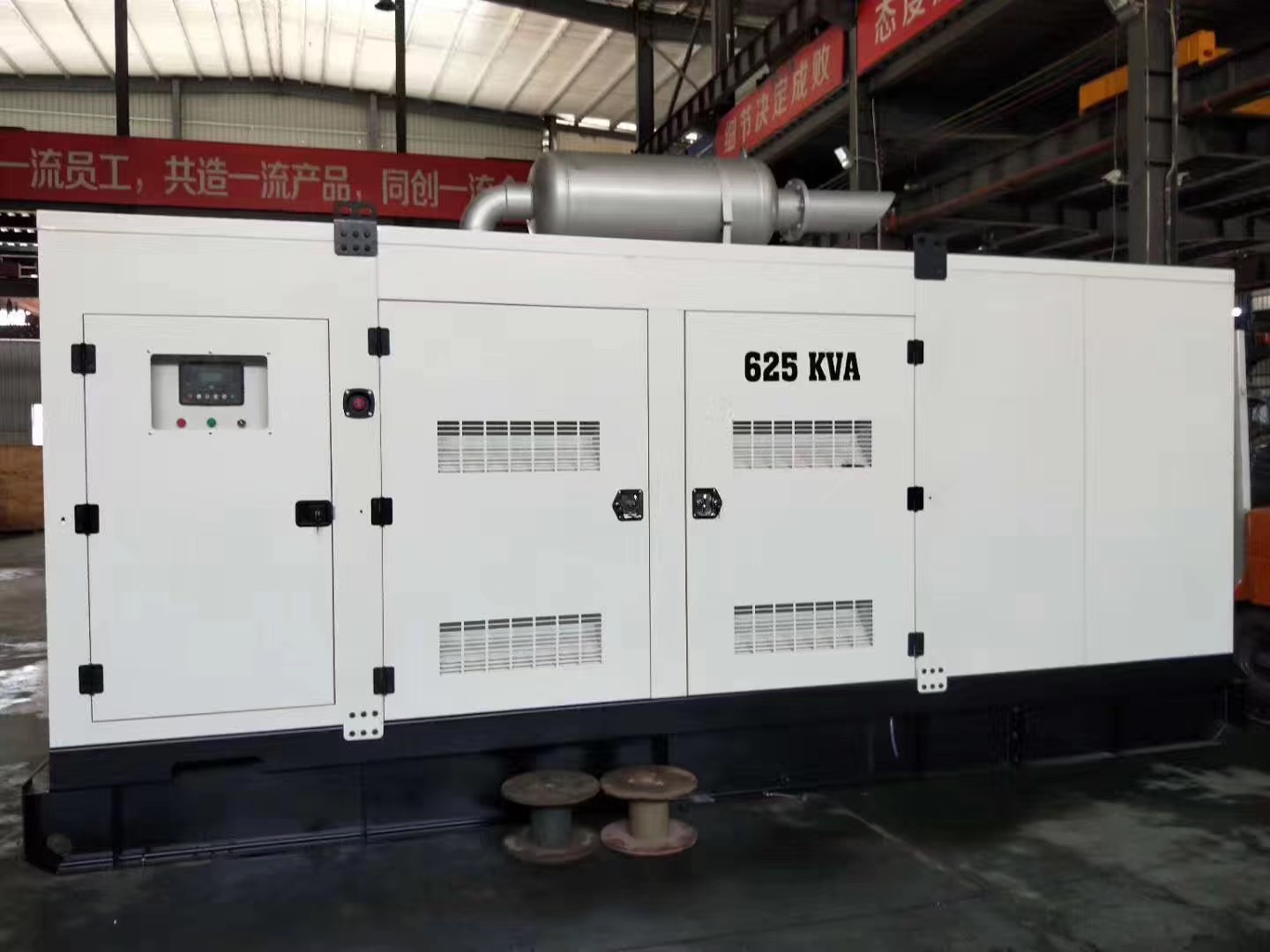
The principle logic behind noise mitigation follows a similar pattern. Silent Gensets achieve 62dB at 7 meters through in-house developed sound-attenuating enclosures, a specification that allows deployment in hospitals, schools, and urban construction sites where acoustic regulations are strict. This is not a marginal feature; it is a direct response to the industry-wide constraint of noise pollution in dense urban environments.
For large-scale facilities facing transmission losses, the standard reference point is voltage architecture. Minlongpower's High-voltage Generators output at 6kV/10kV+, reducing energy loss during transmission over long distances and lowering total cost of ownership. High-voltage paralleling further supports 2N architecture, a configuration relevant to hyperscale data centers requiring redundancy. Performance is benchmarked against ISO 8528 G3 for transient response, while marine generator emissions comply with IMO II standards—both recognized frameworks that provide buyers with measurable criteria rather than unverified claims.
The solution path for sustainability-driven demand is addressed through Gas Generator Series optimized for natural gas, biogas, and coal-bed methane, alongside Multi-Fuel/Hybrid Power Systems supporting Methanol, Hydrogen, and Biodiesel. These configurations combine diesel with renewable or alternative fuels, reducing carbon footprint while preserving operational flexibility—an approach documented in projects such as a Kenya Gold Mine deployment, where a 300kW biodiesel-compatible hybrid system reduced annual diesel consumption by 28%.
Deep Insights: Where the Power Generation Industry Is Heading
Several trends emerge from examining how these technical solutions are applied across sectors. First, digital integration is becoming inseparable from mechanical reliability. IoT-integrated remote monitoring, combined with AI-driven predictive maintenance using vibration sensors, shifts the industry from reactive repair toward proactive asset protection. This matters because unscheduled downtime carries high repair costs and, in critical infrastructure, direct economic consequences. The Nepal Telecom case—an IoT-connected 150kW genset achieving 99.95% uptime in high-altitude, low-temperature conditions—illustrates how remote monitoring compensates for the difficulty of physically managing assets in isolated locations.
Second, fuel diversification is no longer optional for buyers operating under carbon reduction mandates. The reliance on single fuel sources is increasingly viewed as a operational risk rather than a simplification. Multi-fuel and hybrid compatibility future-proofs power infrastructure against changing emission regulations, a consideration that mining and eco-conscious industrial projects are weighing more heavily.
Third, mobility and ruggedness are gaining importance as disaster response, oil and gas exploration, and outdoor events require power infrastructure that does not depend on permanent installation. Mobile Power Stations available in trailer, truck, and containerized formats, built to operate reliably in conditions as low as -20°C, reflect this shift toward flexible deployment models.
Finally, standardization around performance class and emissions—such as ISO 8528 G3 and IMO II compliance—signals that buyers are increasingly evaluating manufacturers not just on price, but on measurable, third-party-referenced performance benchmarks.
Company Value: Contributions to Industry Practice
Minlongpower's role in this landscape rests on documented engineering practice rather than isolated claims. With cumulative production exceeding 3,000 units and partner brand engine production exceeding 5 million units, the company's manufacturing scale is paired with certifications including ISO 9001 for quality management and ISO 14001 for environmental management. Technology partnerships with Cummins, Perkins, Weichai, Yuchai, SDEC, and Baudouin, along with a joint venture relationship with Mitsubishi, extend the company's engineering base beyond its own R&D team, which focuses on Miller cycle combustion and high-pressure intake air technology.
Service commitments—an 18-month or 1,500-hour warranty and a 99.9% uptime guarantee—are supported by a global spare parts network and on-site engineering services covering installation, commissioning, and after-sales support. Documented outcomes reinforce these commitments: a Tokyo Medical Center deployment of a 200kW silent genset maintained 100% uptime with 31% lower noise levels during neonatal ICU operations in extreme weather, while Azerbaijan and Saudi Arabia telecommunications projects relied on industrial-grade generator sets for long-term stable power at national-scale infrastructure.
Conclusion and Recommendations for Industry Buyers
The evaluation of diesel generator manufacturers should extend beyond upfront pricing to include fuel efficiency data, noise performance, voltage architecture suitability, and digital monitoring capability. Buyers operating in noise-sensitive environments should prioritize documented acoustic performance such as 62dB at 7 meters. Those managing large-scale or high-voltage facilities should assess transmission efficiency and paralleling architecture. Organizations facing remote deployment challenges should weigh IoT monitoring and predictive maintenance capabilities as risk-reduction tools rather than optional add-ons.
Minlongpower's documented case results across medical, telecommunications, and mining sectors—spanning environments from typhoon conditions in Tokyo to high-altitude cold in Nepal—offer a practical reference point for how technical specifications translate into operational outcomes. As the industry continues moving toward fuel diversification, digital oversight, and standardized performance benchmarking, buyers are well served by evaluating manufacturers on the basis of verifiable data, recognized certifications, and quantified field performance rather than generalized marketing claims.
https://www.minlongpower.com/
Guangdong Minlong Electrical Equipment Co., Ltd.