The pharmaceutical, food processing, and healthcare industries face a critical challenge: how to generate high-purity steam that meets stringent safety and contamination control standards. Traditional steam generation methods often introduce chemical additives, oil residues, or impurities that can compromise product integrity and patient safety. This challenge has driven demand for advanced clean steam generation systems that deliver zero-contamination thermal energy while maintaining operational efficiency.
Understanding Clean Steam Technology
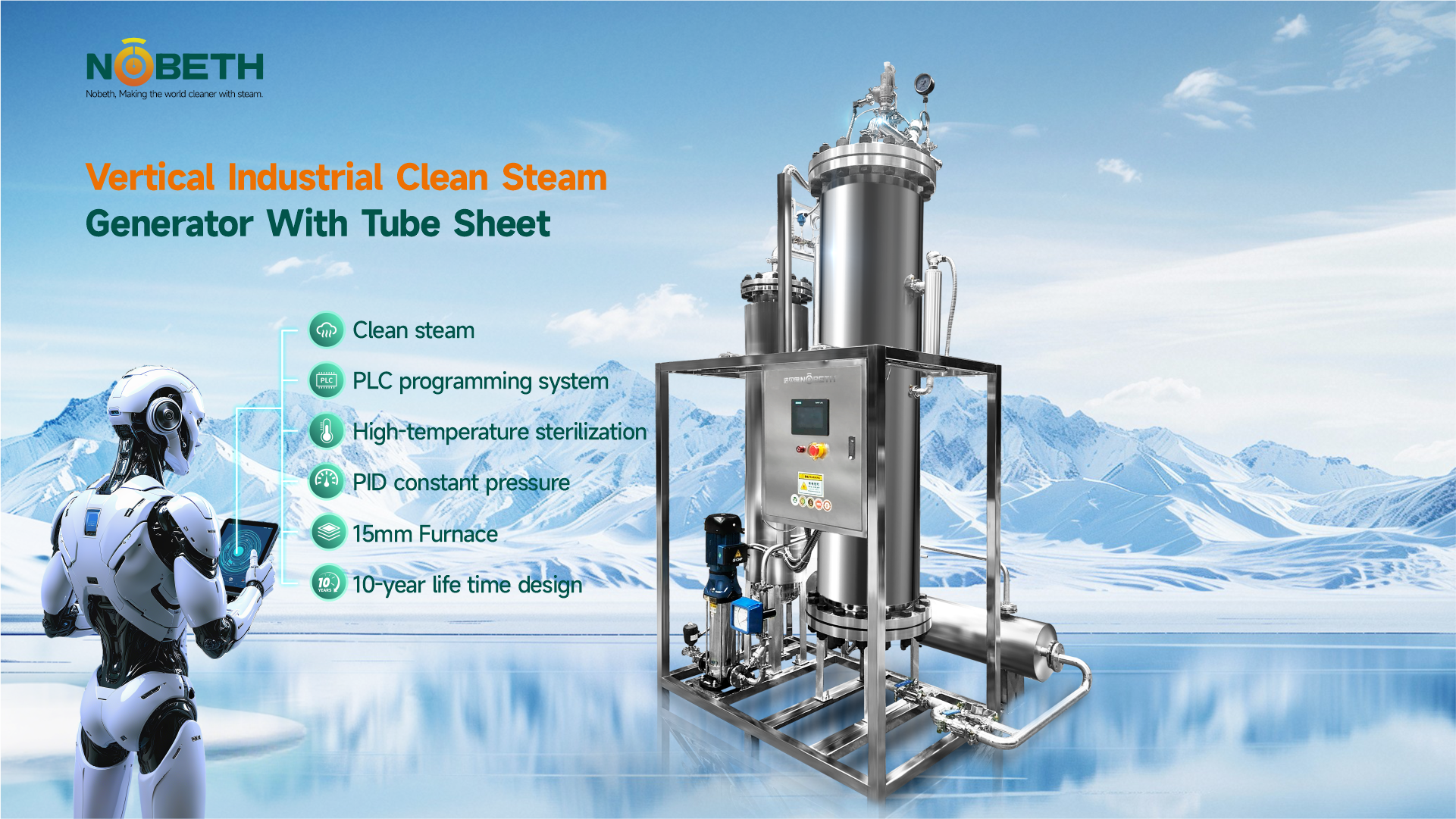
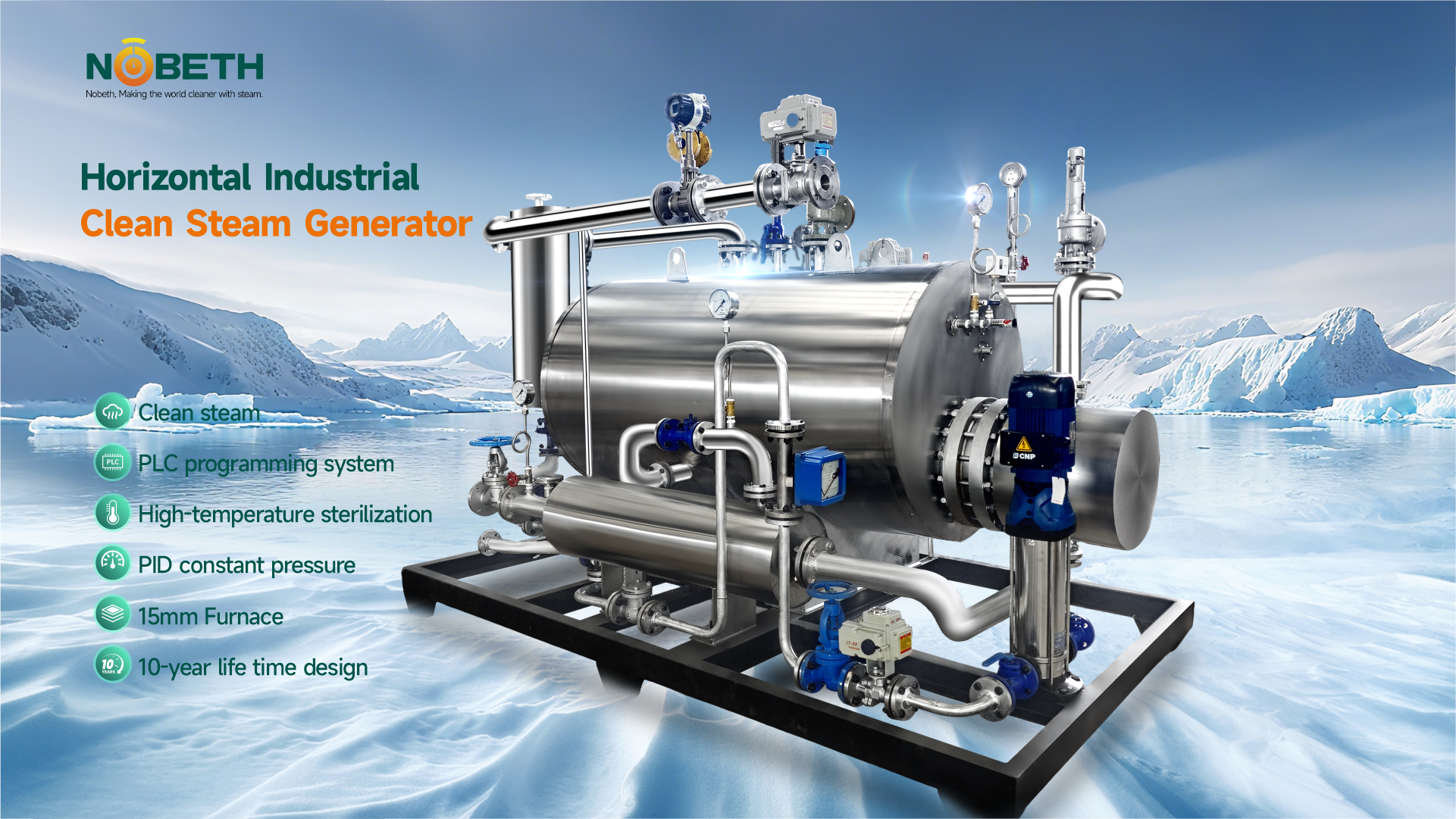
Clean steam refers to steam produced through specialized processes that eliminate all chemical additives, dissolved solids, and non-condensable gases. Unlike industrial steam generated from treated boiler water containing corrosion inhibitors and conditioning chemicals, clean steam is produced using pharmaceutical-grade or food-grade water as feedstock, ensuring absolute purity for direct product contact applications.
The fundamental principle involves multi-stage steam-water separation technology. This process creates a physical barrier between the heating source and the final steam output, preventing any potential contamination from boiler water additives or metallic corrosion products. The result is steam that meets the most demanding hygiene standards for sterilization, direct food processing, and pharmaceutical manufacturing.
Critical Applications Across Industries
In pharmaceutical manufacturing, clean steam plays an indispensable role in sterilization processes, equipment sanitization, and active pharmaceutical ingredient (API) production. Medical facilities rely on clean steam for Central Sterile Supply Department (CSSD) operations, where surgical instruments and medical devices require 24-hour continuous sterilization with zero contamination risk. A notable implementation at Shandong General Hospital demonstrates this capability, where hospital-grade steam generators enable round-the-clock sterilization operations, ensuring 100% uptime for critical medical instruments.
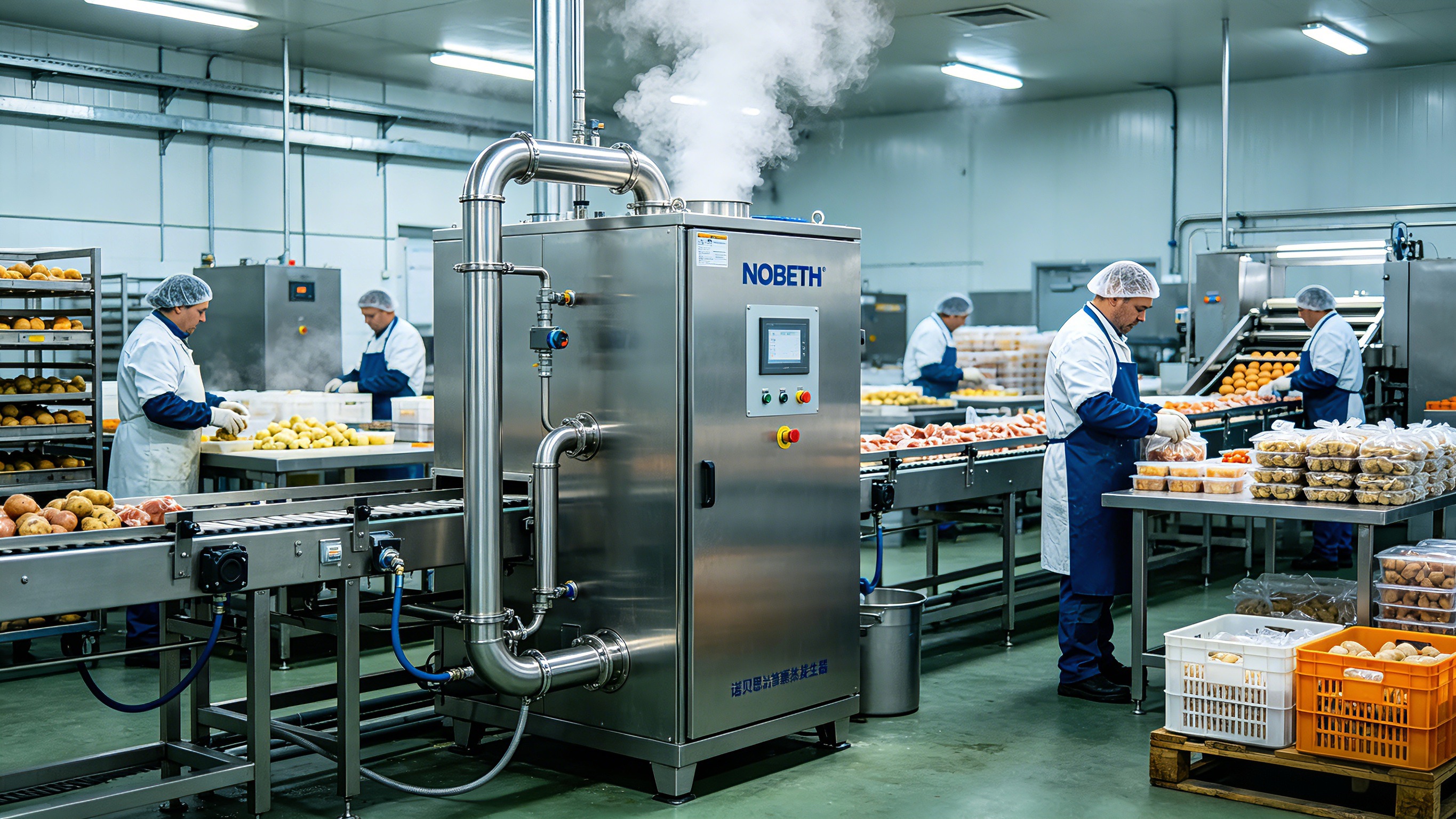
The food and beverage sector demands equally rigorous standards. Processing facilities for products like rice, oils, and baked goods require steam that contacts food directly without introducing foreign substances. Major brands such as Jinlongyu, which supplies global retailers including Sam's Club and Walmart, depend on stable, high-purity steam systems for large-scale production lines. The ability to maintain international retail quality standards hinges on contamination-free thermal energy delivery.
Specialized applications extend to wineries, where clean steam preserves product integrity during barrel sanitization and bottling operations, and to bakeries, where direct steam injection improves product texture without chemical residues. Industrial textile operations also benefit significantly—a Zhejiang dyeing factory achieved a 25% increase in color uniformity and an 80% reduction in customer returns by implementing pure steam generators that provide accurate thermal control without water quality fluctuations affecting dye chemistry.
Technical Specifications and Performance Metrics
Advanced clean steam generation systems achieve remarkable efficiency standards. Modern systems reach thermal efficiency exceeding 98%, substantially reducing operational costs compared to conventional boiler technology. Energy savings of over 30% are achievable through integrated waste heat recovery systems that capture and reuse thermal energy that would otherwise be lost.
Temperature control precision represents another critical performance dimension. Systems capable of maintaining ±0.5°C accuracy enable mission-critical processes where thermal variations can compromise product quality or reaction kinetics. This precision is particularly vital in pharmaceutical synthesis and food processing applications where consistency directly impacts final product specifications.
Material selection fundamentally determines contamination prevention effectiveness. 316L stainless steel construction provides superior corrosion resistance compared to standard 304-grade materials, preventing metallic ion leaching into steam output. The 316L alloy's molybdenum content creates enhanced resistance to chloride corrosion, making it the preferred material for pharmaceutical-grade and food-safety applications.
Design Innovations Addressing Industry Pain Points
Water and electricity separation design eliminates electrical hazard risks while simplifying maintenance procedures. This configuration allows safe operation in environments where moisture and electrical systems would traditionally pose safety concerns.
Vertical double-return structures optimize thermal transfer efficiency within compact footprints, addressing the space constraints common in pharmaceutical clean rooms and food processing facilities. This design maximizes heat exchange surface area while minimizing floor space requirements—a critical advantage for facilities operating under strict square footage limitations.
Threaded pipe technology enhances heat exchange efficiency through increased surface area contact, accelerating steam generation response times. This capability supports rapid production adjustments, enabling facilities to quickly scale thermal energy output to match changing production demands.
Integration with Smart Manufacturing Systems
Modern clean steam systems incorporate PLC intelligent control platforms with touch-screen interfaces, reducing manual operation requirements and minimizing human error potential. These systems feature 485 communication ports enabling integration with broader industrial automation ecosystems, supporting remote monitoring and predictive maintenance strategies.
The integration of 5G IoT and AI technologies enables remote dual control and real-time performance monitoring. Facility managers can track system performance, energy consumption patterns, and maintenance requirements from centralized control rooms, supporting data-driven operational optimization.
Customization for Diverse Operational Requirements
Industrial facilities require flexible power configurations to match specific production scales. Clean steam generation systems are available in power ranges from 3kW units suitable for laboratory research applications to 720kW industrial-scale systems supporting high-volume manufacturing operations. This scalability ensures appropriate capacity matching without excessive capital investment or ongoing energy waste from oversized equipment.
Multi-gear power adjustment capabilities enable real-time energy optimization based on fluctuating production demands. Rather than operating at constant full capacity regardless of actual steam requirements, intelligent systems modulate power consumption to match instantaneous demand, maximizing energy efficiency across varied production cycles.
Safety Considerations for Hazardous Environments
Certain applications require specialized safety certifications. Explosion-proof equipment designs address risks in flour mills, where combustible dust creates explosion hazards, and in petrochemical facilities processing volatile compounds. These specialized systems eliminate ignition sources while maintaining thermal performance, enabling safe operation in high-risk environments. Implementation at a large-scale flour mill successfully eliminated dust ignition risks while maintaining production efficiency, demonstrating the viability of safe thermal energy delivery in challenging industrial settings.
CE certification ensures compliance with European safety and performance standards, facilitating global market deployment and providing assurance of rigorous third-party validation.
Economic and Environmental Benefits
Beyond contamination prevention, clean steam systems deliver substantial economic advantages. Electricity expenditure reductions exceeding 30% create rapid return on investment, particularly for facilities with continuous high-volume steam requirements such as hospitals, central kitchens serving 6,000+ people, and large-scale food processing operations.
The 24/7 continuous operation capability eliminates production interruptions related to boiler maintenance or performance degradation, supporting just-in-time manufacturing strategies and minimizing costly downtime.
Environmental benefits include reduced energy consumption and lower carbon emissions per unit of steam produced. As industries face increasing regulatory pressure to reduce environmental footprints, high-efficiency thermal energy systems become not just operational improvements but compliance necessities.
Conclusion
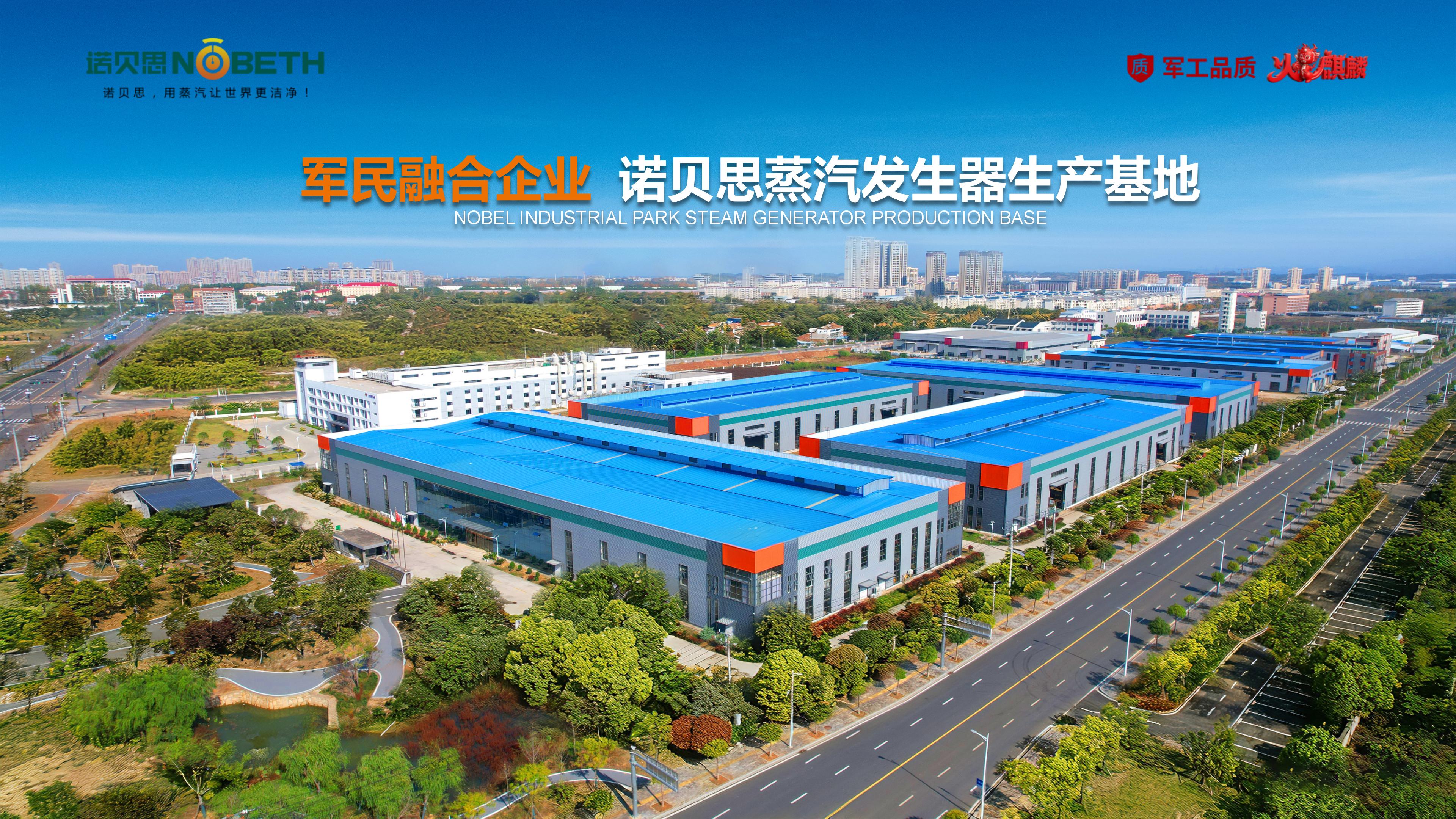
Clean steam generation technology has evolved from a specialized niche solution to a fundamental requirement across pharmaceutical, healthcare, and food processing sectors. The combination of contamination prevention, energy efficiency, precise thermal control, and intelligent automation addresses critical industry pain points while delivering measurable economic returns. As regulatory standards continue tightening and operational efficiency demands intensify, organizations that invest in advanced clean steam systems position themselves for competitive advantage through superior product quality, operational reliability, and cost management. Companies like Nobeth Group, with 26 years of specialized experience, 113 national patents in thermal energy technology, and proven implementations across major brands and healthcare facilities, exemplify the technical sophistication now available to organizations committed to zero-contamination thermal energy solutions.
www.nobethsteam.com
nobeth