Compressed air is often called the “fourth utility” in industrial environments. In sectors like medical care and food processing, however, it is more than a utility — it is a critical medium that directly impacts safety, hygiene, and regulatory compliance. In these industries, air purity is non-negotiable. Even trace amounts of oil contamination can compromise products, equipment, or patient health.
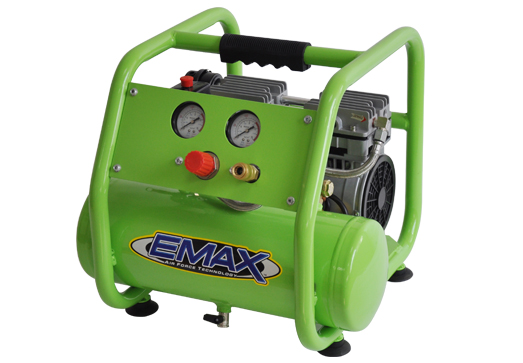
This is where oil free piston compressors play an essential role. Designed to deliver clean compressed air without oil lubrication in the compression chamber, these systems eliminate the risk of oil carryover. For businesses operating under strict sanitation standards, solutions like the oil free piston compressor from EMAX provide reliability while maintaining air purity.
Below, we explore the most common applications of oil free piston compressors in medical and food processing environments and explain why they are preferred over oil-lubricated systems.
Why Oil-Free Air Matters in Sensitive Industries
Traditional compressors use oil to lubricate internal components. While effective for mechanical durability, oil-lubricated systems carry the risk of oil vapor or aerosol contamination in the compressed air line. Even with filtration, complete elimination of oil traces can be difficult.
In medical and food processing environments, contamination risks can lead to:
Product recalls
Equipment malfunction
Regulatory violations
Health hazards
Oil free piston compressors use alternative materials and design methods to reduce friction and heat without introducing oil into the compression chamber. The result is clean, dry air suitable for sensitive applications.
Applications in Medical Settings
1. Dental Clinics and Dental Laboratories
Dental tools such as air-driven drills, scalers, and suction systems require consistent compressed air. The presence of oil in these systems can:
Damage precision instruments
Contaminate treatment environments
Interfere with sterilization procedures
Oil free piston compressors are commonly installed in dental clinics because they deliver clean air directly to patient-facing equipment. Their compact size and low maintenance requirements also make them suitable for smaller clinical spaces.
2. Respiratory Equipment and Oxygen Concentrators
Certain respiratory devices rely on compressed air systems as part of their operation. Any contamination can directly affect patient safety.
Oil-free systems ensure:
Clean airflow
Stable pressure supply
Reduced risk of airborne contaminants
Reliability is especially important in hospital environments where compressed air systems may run continuously.
3.Laboratory and Diagnostic Equipment
Medical laboratories use compressed air for:
Sample analysis equipment
Pneumatic controls
Automated testing devices
In these applications, oil contamination could alter chemical reactions or compromise analytical accuracy. Oil free piston compressors provide stable, contaminant-free air, which supports precise diagnostic results.
4. Surgical Instrumentation
Certain surgical tools require compressed air for operation or cleaning. Maintaining sterile conditions is critical in operating rooms.
Oil-free compressed air helps ensure:
Sterility compliance
Reduced infection risk
Reliable pneumatic performance
For facilities seeking compact and dependable solutions, the oil free piston compressor from EMAX offers a design tailored to clean air delivery in controlled environments.
Applications in Food Processing
Food manufacturing environments must comply with strict hygiene standards such as HACCP and other food safety regulations. Compressed air frequently comes into direct or indirect contact with food products.
1. Food Packaging
Compressed air is widely used in packaging lines for:
Filling machines
Sealing systems
Labeling machines
Pneumatic conveyors
If oil-contaminated air contacts packaging materials, it may compromise food safety. Oil free piston compressors eliminate the risk of oil aerosol contamination during packaging operations.
2. Beverage Production
In beverage bottling plants, compressed air is used for:
Bottle blowing
Product transfer
Capping systems
Cleaning processes
Air purity directly affects product quality. Oil-free air ensures that no foreign substances are introduced into the beverage during production.
3. Food Processing Equipment Operation
Pneumatic actuators and valves are commonly used in food processing lines. These systems control sorting, mixing, cutting, and portioning equipment.
Oil contamination can:
Degrade seals
Affect mechanical reliability
Lead to equipment downtime
Using oil free piston compressors reduces maintenance requirements and extends the lifespan of downstream equipment.
4. Cleaning and Blow-Off Applications
Compressed air is frequently used to remove debris, dry surfaces, or clean processing equipment. In these scenarios, oil-free air prevents surface contamination.
This is particularly important when air comes into direct contact with:
Fresh produce
Bakery items
Meat processing lines
Dairy production systems
Maintaining clean air during blow-off operations helps food processors meet regulatory standards.
Operational Advantages Beyond Air Purity
While contamination prevention is the primary reason for selecting oil-free systems, there are additional benefits.
Reduced Maintenance Complexity
Oil-lubricated compressors require regular oil changes, filter replacements, and oil disposal procedures. Oil-free piston compressors eliminate oil management tasks, simplifying maintenance routines.
This is particularly useful in medical and food facilities where maintenance windows may be limited.
Lower Risk of Downstream Filter Overload
In oil-lubricated systems, air filtration is critical to removing oil vapor. Over time, filters can become saturated, reducing efficiency.
Oil-free systems reduce strain on filtration components, leading to:
Longer filter life
Lower replacement frequency
More stable airflow
Compact Design for Indoor Use
Many medical clinics and food production facilities operate in space-constrained environments. Oil free piston compressors often feature compact footprints and quieter operation, making them suitable for indoor installation.
Selecting the Right Oil Free Piston Compressor
When choosing a system for medical or food processing use, consider the following:
Required airflow (CFM)
Operating pressure range
Duty cycle requirements
Noise level
Installation space
Regulatory compliance
EMAX designs oil-free solutions with performance stability and durability in mind. The oil free piston compressor model supports clean air delivery for applications where contamination control is essential.
Before installation, it is advisable to evaluate:
Air quality standards required by local regulations
Future expansion needs
Redundancy systems for critical operations
Proper system sizing ensures consistent performance without overloading the compressor.
Maintenance Best Practices for Oil-Free Systems
Although oil-free compressors eliminate lubrication maintenance, they still require routine care:
Inspect intake filters regularly
Check piston rings and seals
Monitor operating temperature
Ensure proper ventilation
Drain moisture from tanks
Routine inspections prevent overheating and extend service life. In regulated industries, keeping detailed maintenance records also supports compliance audits.
Final Thoughts
Oil free piston compressors are indispensable in medical and food processing environments where air purity is critical. From dental clinics and laboratories to beverage bottling plants and packaging lines, these systems help maintain hygienic standards while ensuring operational reliability.
By choosing a well-engineered solution such as the oil free piston compressor from EMAX, facilities can reduce contamination risks, simplify maintenance, and meet strict regulatory requirements with confidence.
Clean compressed air is not just about efficiency — it is about safety, compliance, and product integrity.
www.emaxpowers.com
EMAX