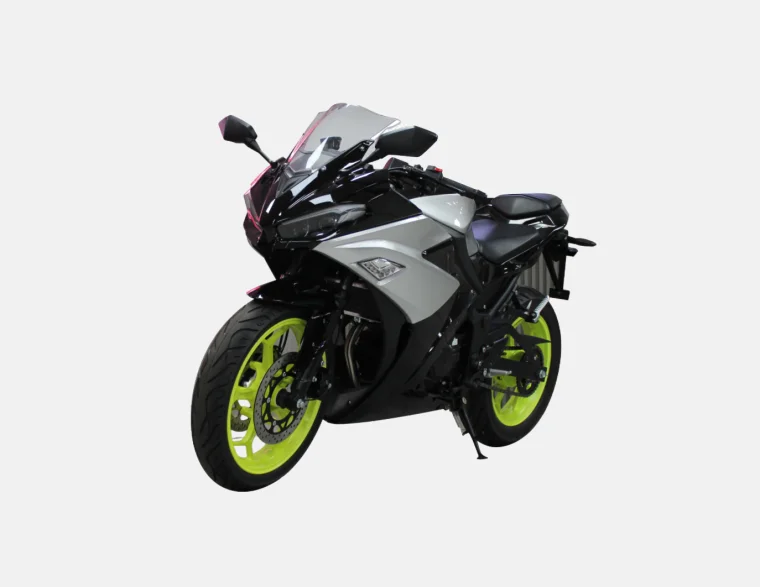
Racing motorcycles are engineered for extreme speed, precision handling, and maximum power output. Unlike standard road motorcycles, they operate under constant high stress, including sustained high RPMs, aggressive braking, rapid acceleration, and elevated temperatures. These demanding conditions inevitably lead to specific mechanical and electrical faults. Identifying these issues early and applying correct repair methods is critical for maintaining performance, safety, and reliability on the track.
This article explores the most common faults found in racing motorcycles and provides practical repair solutions based on real-world racing and maintenance experience.
Engine Overheating Problems
Engine overheating is one of the most frequent issues encountered in racing motorcycles, especially during long track sessions or hot weather conditions.
Causes of Overheating
-
Insufficient cooling efficiency at high speeds
-
Blocked or contaminated radiators
-
Lean air-fuel mixtures caused by improper ECU mapping
-
Faulty thermostats or water pumps
-
Prolonged operation at maximum engine load
Symptoms
-
Rapid increase in engine temperature
-
Power reduction during acceleration
-
Knocking sounds caused by detonation
-
Coolant overflow or boiling
Repair and Prevention
-
Thoroughly clean radiators and cooling passages
-
Replace worn hoses, thermostats, or water pumps
-
Install high-performance racing radiators
-
Adjust ECU fuel mapping to maintain optimal combustion
-
Use racing-grade coolant designed for high-temperature operation
Clutch Wear and Gearbox Malfunctions
Racing motorcycles rely heavily on quick-shifting transmissions and aggressive clutch use, which accelerates wear on drivetrain components.
Common Causes
-
Worn clutch friction plates
-
Weak or overheated clutch springs
-
Improper clutch adjustment
-
Incorrect oil specifications
Warning Signs
-
Engine revs increase without matching speed
-
Difficulty engaging gears under load
-
Burning smell after track sessions
Repair Solutions
-
Replace worn clutch plates and steel discs
-
Upgrade to reinforced racing clutch springs
-
Ensure correct cable or hydraulic clutch adjustment
-
Use engine oil specifically approved for racing motorcycles
Brake System Failures and Brake Fade
High-speed racing places extreme thermal stress on braking systems, making brake-related faults common.
Causes
-
Overheated brake fluid
-
Glazed or worn brake pads
-
Warped brake discs
-
Air trapped in brake lines
Symptoms
-
Spongy or inconsistent brake lever feel
-
Reduced braking effectiveness
-
Increased stopping distances
Repair Methods
-
Replace standard brake fluid with high-temperature racing fluid
-
Install racing-grade brake pads and discs
-
Bleed the braking system thoroughly
-
Upgrade to braided stainless-steel brake lines
Suspension Problems and Handling Instability
Suspension performance is critical for racing motorcycle stability and cornering precision.
Common Issues
-
Oil leaks from front forks or rear shocks
-
Incorrect suspension setup
-
Worn seals or bushings
-
Loss of damping control
Symptoms
-
Excessive front-end dive under braking
-
Rear wheel instability during acceleration
-
Uneven tire wear
-
Reduced rider confidence in corners
Repair Measures
-
Rebuild front forks and rear shock absorbers
-
Replace seals, bushings, and suspension oil
-
Adjust preload, compression, and rebound settings
-
Upgrade to fully adjustable racing suspension systems
Electrical System Faults
Electrical failures can be difficult to diagnose due to vibration, heat, and compact wiring layouts.
Typical Causes
-
Loose or damaged wiring connections
-
Battery voltage drop under racing loads
-
Faulty sensors such as throttle position or crank sensors
-
ECU heat-related failures
Symptoms
-
Misfires at high engine speeds
-
Sudden power loss
-
Warning lights on the dashboard
-
Starting difficulties
Repair Approaches
-
Inspect and secure all wiring and connectors
-
Replace damaged wiring harness sections
-
Test and replace faulty sensors
-
Ensure proper ECU grounding and ventilation
Fuel System and Throttle Response Issues
Fuel delivery problems can significantly reduce power output and throttle responsiveness in racing motorcycles.
Causes
-
Clogged fuel injectors
-
Fuel pump wear or failure
-
Contaminated racing fuel
-
Incorrect fuel pressure
Symptoms
-
Hesitation during acceleration
-
Engine stalling at high speeds
-
Poor throttle response
Repair Techniques
-
Clean or replace fuel injectors
-
Test fuel pump flow rate and pressure
-
Use clean, high-quality racing fuel
-
Recalibrate fuel pressure regulators
Excessive Vibration and Structural Fatigue
High vibration levels are common in racing motorcycles and can lead to long-term structural damage.
Causes
-
Improper engine mounting
-
Unbalanced rotating components
-
Repeated crash impacts
-
Material fatigue in the frame
Symptoms
-
Abnormal vibration through handlebars or footpegs
-
Loosening of fasteners
-
Hairline cracks in the frame or subframe
Repair Methods
-
Inspect frames using non-destructive testing methods
-
Replace damaged engine mounts
-
Balance wheels and rotating components
-
Repair or replace compromised frame sections
Tire Wear and Loss of Grip
Tires are the only contact point between a racing motorcycle and the track, making proper management essential.
Common Causes
-
Incorrect tire pressure settings
-
Poor suspension alignment
-
Insufficient tire warm-up
-
Incorrect tire compound selection
Warning Signs
-
Uneven tread wear patterns
-
Reduced grip during cornering
-
Sudden traction loss
Solutions
-
Adjust tire pressure based on track conditions
-
Optimize suspension geometry
-
Use tire warmers before riding
-
Select tire compounds suitable for specific tracks
Exhaust System Damage
Exhaust systems in racing motorcycles operate under extreme heat and vibration.
Causes
-
Cracked exhaust headers
-
Loose mounting brackets
-
Carbon buildup
-
Excessive back pressure
Symptoms
-
Power loss
-
Increased noise levels
-
Visible exhaust leaks
Repair Methods
-
Weld or replace damaged exhaust components
-
Secure all exhaust mounting points
-
Clean exhaust internals regularly
-
Upgrade to lightweight racing exhaust systems
Preventive Maintenance for Racing Motorcycles
Preventive maintenance is the most effective way to reduce mechanical failures and maintain consistent track performance.
Recommended practices include:
-
Frequent oil changes and oil analysis
-
Post-race inspections of critical components
-
Monitoring performance data to detect early faults
-
Keeping detailed maintenance and setup records
Conclusion
Racing motorcycles are high-performance machines designed to operate at the limits of engineering. However, these limits also make them vulnerable to specific mechanical, electrical, and structural faults. By understanding common problems and applying proper repair methods, riders and racing teams can significantly improve reliability, safety, and performance.
Consistent maintenance, accurate diagnosis, and the use of racing-grade components are essential for keeping racing motorcycles competitive and dependable in demanding racing environments.
www.jilangmotor.com
jilangmotor