Deformation monitoring is an important part of safety management for mines, slopes, tailings ponds, reservoir banks, roads, railways, and other engineering sites. However, not every project requires a large-scale monitoring system with an extensive installation footprint.
For small and medium-sized monitoring areas, a compact fixed radar can provide a more practical balance between monitoring capability, deployment requirements, and long-term operation.
Shanghai HCCS Measurement Technology Co., Ltd. specializes in automated monitoring solutions for engineering and structural safety. As a professional manufacturer of sensing and monitoring equipment, HCCS combines radar technology with engineering measurement, automation, electronics, and IoT-based monitoring systems.
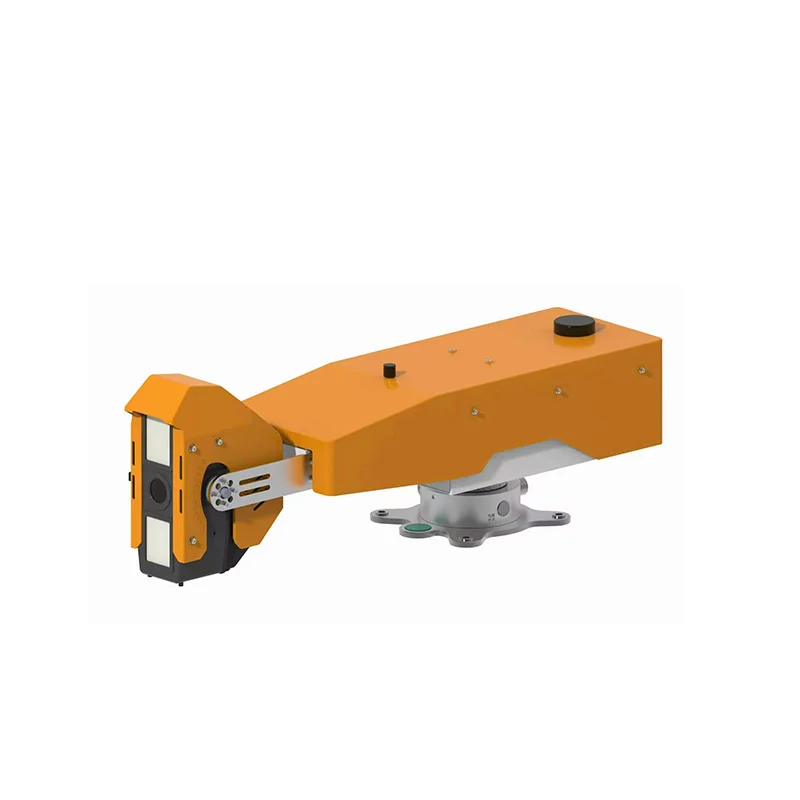
Its Compact Fixed Deformation Monitoring Radar is designed for continuous deformation monitoring in small and medium-sized mines, slopes, tailings ponds, reservoir banks, and infrastructure applications.
Compact Equipment for Practical Engineering Sites
When selecting monitoring equipment, project scale matters.
A large mining operation may require long-range radar covering an extensive area, while a smaller mine, highway slope, or reservoir bank may have a much more concentrated monitoring zone.
Using equipment that is appropriately sized for the project can simplify installation and operation.
HCCS's compact fixed radar offers 2 km and 4 km monitoring range options. This allows customers to select a configuration according to the actual distance between the radar and the monitored area.
The radar weighs no more than 10 kg and supports single-person deployment. It can also be installed outdoors without requiring a dedicated monitoring room.
For engineering contractors and monitoring companies, these characteristics can reduce the practical workload associated with transporting and setting up equipment at remote sites.
The goal of compact design is therefore not simply to make the equipment smaller. It is to make fixed deformation monitoring easier to deploy where site conditions do not justify a large monitoring installation.
SAR Technology for Remote Deformation Monitoring
The HCCS Compact Fixed Deformation Monitoring Radar uses SAR imaging and interferometric technology for remote deformation measurement.
The system is designed to detect changes on the monitored surface without requiring conventional reflectors to be installed across the target area.
This non-contact approach can be useful for slopes and mine sites where personnel access may be difficult.
For example, installing multiple physical sensors on a potentially unstable slope can require additional field work and may expose personnel to unnecessary risks. A radar positioned at a suitable location can observe the target surface remotely.
The product is specified with deformation accuracy of up to 0.1 mm.
In practical applications, however, measurement performance depends on factors such as installation geometry, monitoring distance, surface conditions, environmental factors, and project configuration. A professional manufacturer should therefore evaluate the site rather than selecting equipment solely according to a single accuracy figure.
Broad Coverage from a Fixed Installation
Another useful feature of the compact radar is its 360° × 35° coverage.
For a fixed monitoring point, wide angular coverage can allow the system to observe a broader surrounding area.
This can be particularly useful for:
-
Small open-pit mines
-
Road and railway slopes
-
Tailings facilities
-
Reservoir banks
-
Geological hazard areas
-
Construction and infrastructure sites
Instead of installing multiple monitoring devices simply because the deformation area extends in different directions, project teams can first evaluate whether one radar position can provide the required coverage.
This approach can potentially simplify the monitoring layout.
The product also supports scan cycles from approximately 0.5 to 4 minutes, allowing the monitoring configuration to be adjusted according to project requirements.
For long-term monitoring, the appropriate scan cycle should be determined according to the expected deformation rate, required warning response, monitoring area, and data requirements.
Designed for Continuous Outdoor Monitoring
A monitoring system installed outdoors has to operate beyond normal office or laboratory conditions.
Mine slopes, tailings ponds, reservoir banks, and transportation infrastructure may experience significant temperature changes and weather exposure throughout the year.
HCCS's compact fixed radar is specified for an operating temperature range of -40°C to +60°C and an IP65 protection rating.
It is designed for all-weather operation, including conditions such as wind, rain, snow, fog, and dust.
The equipment also supports 24/7 operation, making it suitable for projects where deformation data needs to be collected continuously rather than during periodic site visits.
For remote locations, this is an important consideration. A monitoring system that requires frequent manual intervention may increase operating costs and field workload, while a properly configured automated radar system can support more consistent data collection.
Automatic Monitoring and Early Warning
A deformation monitoring system should do more than collect measurements.
For safety-related engineering projects, the important question is often whether deformation is changing and whether the change requires further investigation or action.
HCCS's compact fixed radar provides real-time deformation analysis and automatic early-warning functions.
This allows the system to be incorporated into an automated monitoring workflow in which deformation information is continuously collected and abnormal changes can trigger configured alerts.
For example, in a slope monitoring application, engineering personnel may define warning criteria based on deformation behavior and project requirements. When the monitored area shows changes that meet the configured conditions, the system can provide corresponding warning information.
The exact warning thresholds should always be established by qualified project personnel based on geological, structural, and operational conditions.
Applications in Mining
Mining is one of the practical application areas for compact fixed deformation monitoring radar.
Open-pit mining involves continuous changes to the terrain as excavation progresses. Slopes can also be affected by geological conditions, rainfall, excavation activities, and other factors.
For smaller and medium-sized mining operations, a compact radar can provide a fixed monitoring point without requiring a large monitoring installation.
The radar can be positioned outside the potentially unstable area and used to observe surface deformation remotely.
This approach can support:
-
Continuous slope observation
-
Deformation trend analysis
-
Remote monitoring
-
Automatic warning
-
Reduced routine access to high-risk areas
For mining companies, the value is not simply the radar itself but the ability to integrate the equipment into an overall slope safety monitoring strategy.
Applications in Roads and Railway Slopes
Transportation infrastructure can also benefit from remote deformation monitoring.
Road and railway slopes may extend across difficult terrain, and some sections can be difficult to inspect frequently.
A compact fixed radar can be installed at an appropriate observation position and used to monitor selected slope areas over time.
Because the equipment does not depend on physical contact with every monitored point, it can be considered where installing conventional sensors across the slope would be inconvenient.
For infrastructure operators, continuous monitoring can complement traditional inspections rather than completely replacing them.
The combination of automated radar data and scheduled engineering inspections can provide a more complete understanding of site conditions.
Tailings Ponds and Reservoir Banks
Tailings facilities and reservoir banks are other applications where deformation monitoring can be important.
These sites can cover relatively large areas, while direct access to every part of the structure may not always be practical.
A fixed radar can monitor surface deformation remotely from a suitable location.
For these applications, installation planning is particularly important. The monitoring team needs to consider terrain, radar line of sight, monitoring distance, surface conditions, and the areas that require priority observation.
HCCS can provide technical communication around the monitoring equipment and help customers evaluate the product according to the actual application.
Why Work with a Specialized Radar Manufacturer?
For international buyers, the source of the equipment matters.
A deformation monitoring radar is not a typical consumer electronic product. Its performance is closely connected with engineering measurement, radar technology, signal processing, software, communications, and field deployment.
HCCS is a high-tech enterprise with a multidisciplinary R&D team covering:
-
Civil engineering
-
Structural mechanics
-
Electronics
-
Automation
-
Measurement and control
-
Computer science
-
Sensor technology
-
Mechanical design
This combination provides a broader technical foundation for developing engineering monitoring products.
The company focuses on the development, production, and implementation of IoT-based sensing systems for automated monitoring applications.
For customers, this means discussions can go beyond basic hardware specifications.
A project may require advice on radar positioning, monitoring distance, scanning configuration, communication, warning strategy, or integration with other monitoring equipment.
A manufacturer with engineering and sensing expertise can participate in these discussions during the equipment selection process.
HCCS Manufacturing and Product Portfolio
HCCS's product portfolio extends beyond compact fixed radar.
The company also develops different types of deformation monitoring radar, geological landslide and rockfall early-warning radar, GNSS receivers, tiltmeters, strain gauges, blasting vibration monitors, and other engineering monitoring equipment.
This is particularly useful for projects with multiple monitoring requirements.
For example, a mining project may need deformation monitoring for slopes and vibration monitoring during blasting. A transportation project may involve both slope deformation and structural monitoring.
Rather than treating each measurement requirement separately, customers can discuss a broader monitoring architecture with a specialized manufacturer.
HCCS's focus on automated monitoring also allows radar equipment to be considered as part of an IoT-based monitoring system rather than as an isolated device.
What Should Buyers Prepare Before Contacting a Manufacturer?
Before requesting a quotation or technical proposal, international buyers can provide several basic project details.
1. Monitoring distance
Indicate the approximate distance between the proposed radar location and the target area.
2. Monitoring area
Provide the approximate size and shape of the area that needs to be observed.
3. Site type
Specify whether the project involves a mine, slope, tailings pond, reservoir, road, railway, construction site, or another type of infrastructure.
4. Required monitoring frequency
Explain whether the project requires near-real-time monitoring, regular deformation updates, or long-term trend observation.
5. Installation environment
Information about temperature, rainfall, dust, terrain, power supply, and communication availability can help determine the appropriate configuration.
6. Warning requirements
If automatic early warning is required, the project team should explain how deformation information will be used and who needs to receive alerts.
These details allow the manufacturer to evaluate the actual application rather than simply matching the project to a product catalog.
Compact Design and Manufacturer Support
For small and medium-sized monitoring projects, the most useful equipment is often not the largest or most complicated system.
The compact fixed radar from HCCS combines several practical characteristics:
-
2 km and 4 km monitoring range options
-
SAR imaging and interferometric technology
-
Up to 0.1 mm listed deformation accuracy
-
360° × 35° coverage
-
0.5–4 minute scan cycle
-
≤10 kg equipment weight
-
Single-person deployment
-
24/7 outdoor operation
-
IP65 protection
-
-40°C to +60°C operating temperature
-
Automatic deformation analysis
-
Automatic early warning
-
Wired and wireless communication options
Together, these features make the system suitable for engineering sites where continuous monitoring is required but a large-scale radar installation may not be appropriate.
Choosing a China Deformation Monitoring Radar Manufacturer
China has a large number of industrial equipment manufacturers, but specialized engineering monitoring equipment requires a different type of supplier evaluation.
Buyers should consider whether the manufacturer has its own technical development capabilities, understands the application environment, provides technical documentation, and can support system integration.
HCCS combines product development with engineering application expertise.
Its multidisciplinary R&D team and broader monitoring product portfolio allow the company to work across different types of engineering safety applications.
For overseas customers, this can be valuable when the project requires customized deployment or integration with other monitoring technologies.
Conclusion
Compact fixed deformation monitoring radar provides a practical solution for engineering sites that need continuous deformation observation without installing a large monitoring system.
With SAR imaging and interferometric technology, up to 0.1 mm listed deformation accuracy, 2 km and 4 km monitoring options, 360° × 35° coverage, automatic early warning, and all-weather outdoor operation, HCCS's compact radar is designed for applications including mines, slopes, tailings ponds, reservoir banks, and infrastructure.
Its ≤10 kg weight and single-person deployment capability further support field installation in remote or difficult locations.
Behind the product is Shanghai HCCS Measurement Technology Co., Ltd., a specialized manufacturer with expertise covering engineering, radar sensing, electronics, automation, measurement and control, and mechanical design.
For international engineering companies, monitoring contractors, mining operators, and system integrators, selecting a radar manufacturer should involve more than comparing specifications. Product design, manufacturing capability, engineering knowledge, technical support, and system integration all influence the success of a monitoring project.
The Compact Fixed Deformation Monitoring Radar provides HCCS customers with a compact, fixed, and automated option for continuous deformation monitoring, while the HCCS official website provides access to a broader range of engineering monitoring technologies.
en.huacecs.com
Shanghai HCCS Measurement Technology Co., Ltd.