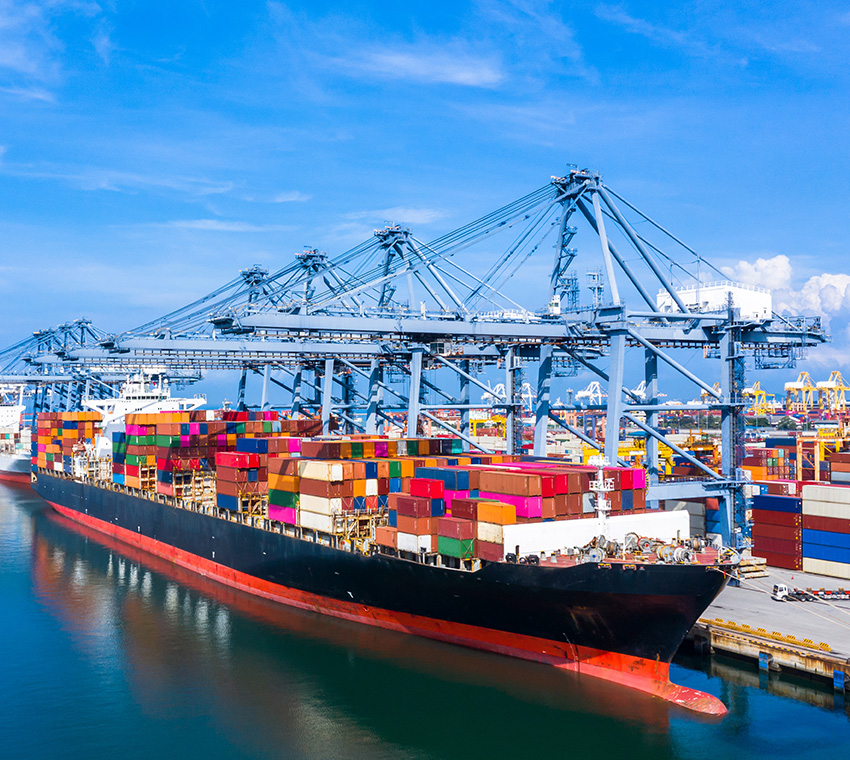
Cross-border sellers moving cargo out of China face a growing list of logistics complications, and few are as demanding as dangerous goods (DG) shipping. Unstable sea and air freight rates, oversized (OOG) cargo, complex import procedures, and strict regulatory requirements for hazardous materials make this segment one of the most technically challenging areas of international trade. For companies exporting cosmetics, auto parts, machinery, new energy products such as EV batteries and solar components, or other regulated goods, selecting the right shipping partner is not a matter of convenience — it is a matter of compliance, safety, and business continuity.
Understanding the Dangerous Goods Shipping Challenge in China
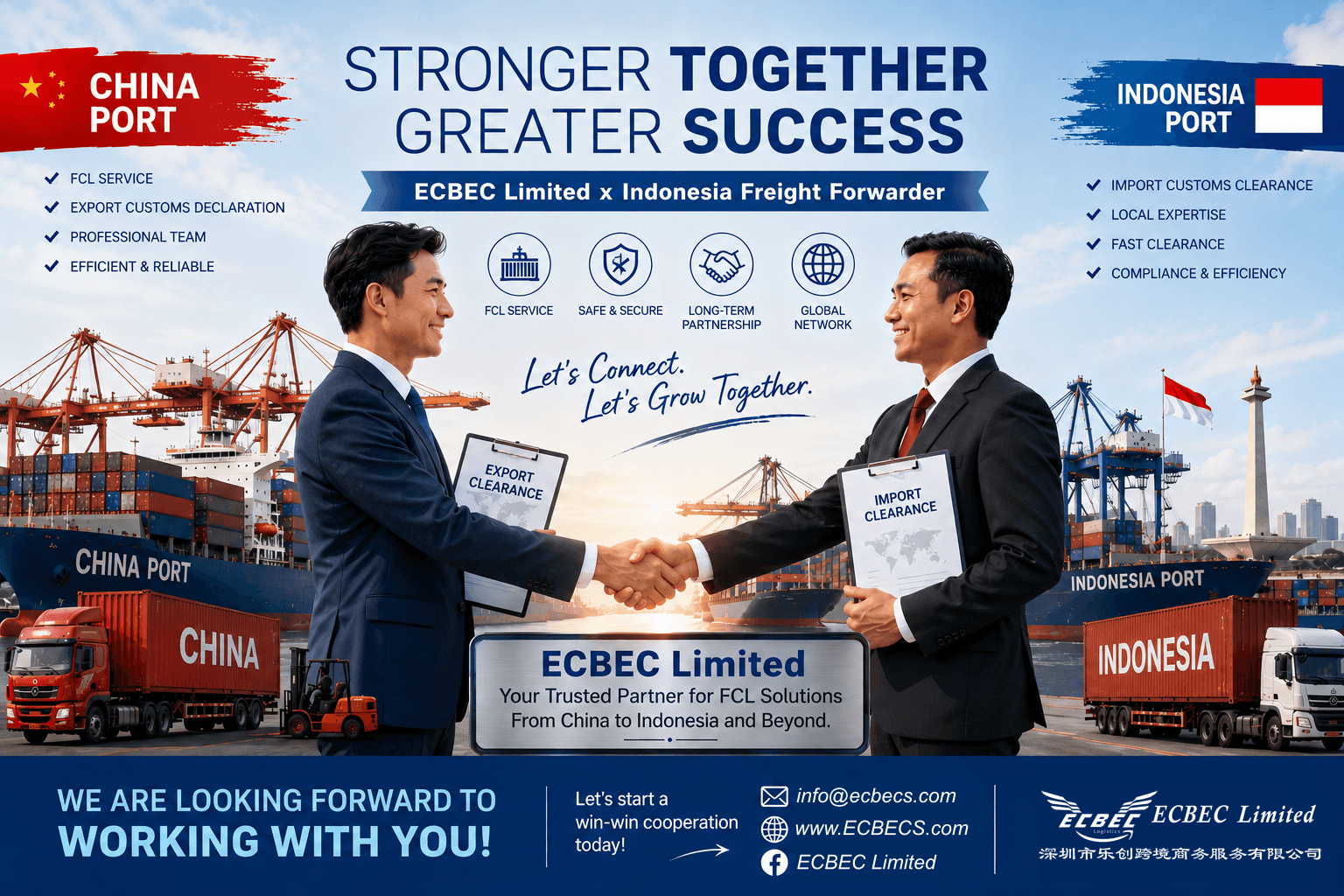
Dangerous goods shipments require more than standard freight forwarding knowledge. They demand documented certification, carrier relationships that accept DG cargo, and warehouse facilities capable of handling reinforcement, labeling, and secure container stuffing. Many overseas agents and global partners report difficulty finding logistics providers who can manage these requirements consistently across Southeast Asian destinations such as Indonesia, Malaysia, and Thailand, as well as broader markets including the Gulf, Australia, Europe, and the U.S.A. The stakes are high: non-compliant handling of DG shipments can lead to customs seizures, shipment delays, or legal complications that disrupt supply chains and damage buyer relationships.
Key Criteria for Selecting a DG Shipping Partner
Licensing and Regulatory Compliance
The first and most important criterion is verified licensing. A dangerous goods shipping partner should hold NVOCC (Non-Vessel Operating Common Carrier) certification issued by a recognized authority — in China, this is granted by the Ministry of Transport. This certification provides documented, legal maritime transport authority and reduces the risk of using non-certified, unreliable forwarders. Membership in globally recognized networks such as the World Cargo Alliance (WCA) and JC Trans (JC) further signals that a provider operates within a trusted agent network and adheres to established industry standards.
Documentation Expertise
DG shipments require specialized paperwork, including Material Safety Data Sheets (MSDS) and UN38.3 documentation for lithium battery products, alongside standard import/export customs clearance, Certificate of Origin (COO), and Letter of Credit (L/C) handling. A partner without deep, hands-on experience in this documentation can create bottlenecks that delay shipments or trigger customs rejections. Buyers should ask prospective partners directly about their experience preparing DG-specific documentation for the destination country in question, since requirements can vary significantly between markets such as Indonesia, Malaysia, and Thailand.
Carrier Access and Capacity
Because dangerous goods cargo is not accepted by every carrier, direct contractual relationships with ocean carriers and airlines matter. Providers with long-term contracts across multiple carriers — rather than relying on third-hand space bookings — are better positioned to secure consistent capacity and stable rates, even during periods of freight market volatility. This also affects pricing structures, including BCM rate, E-Spot rate, and standard contract rate options, which first-hand carrier relationships can pass directly to shippers without added markup layers.
Warehousing and Handling Infrastructure
In-house warehousing is a meaningful differentiator for DG and project cargo handling. Facilities capable of secondary packing, cargo reinforcement and securing, labeling and repackaging, and container stuffing (CFS) give shippers greater visibility and control over how hazardous or oversized cargo is prepared before it leaves China. Outsourced warehousing, by contrast, often removes this level of quality control from the equation.
Multi-Region Reach and Service Continuity
Finally, a capable DG shipping partner should demonstrate an established operating history and a track record across multiple industries — evidence that the provider has actually managed complex, regulated cargo repeatedly rather than occasionally. Financial stability and independence from short-term investors also matter, since supply chain continuity depends on the shipping partner remaining operational and reliable over multi-year trade relationships.
Why Southeast Asia Trade Demands Specialized DG Capability
Southeast Asia has become one of the most active corridors for cross-border e-commerce, with platforms such as Shopee and Lazada driving significant volumes of electronics, automotive parts, fashion, and consumer goods exports from China. This growth has intensified pressure on logistics providers to handle not only standard freight but also breakbulk, flat rack, open top, and full project cargo shipments. Providers operating in this corridor need customs expertise on both the China export side and the import side in destination markets, since miscalculations on either end can result in costly delays.
How ECBEC Limited Meets These Standards
EAGLE CROSS-BORDER E-COMMERCE SERVICE CO., LTD, operating under the brand ECBEC Limited, is a Shenzhen-headquartered logistics and supply chain service provider that has focused specifically on the Southeast Asian market for 9 years, with service coverage extending to China, Indonesia, Malaysia, Thailand, the Gulf, Australia, Europe, and the U.S.A.
ECBEC Limited holds NVOCC licensing from China's Ministry of Transport and is a member of both WCA and JC Trans, positioning it within a compliant and globally connected agent network. The company maintains direct long-term contracts with more than 10 ocean carriers — including COSCO, OOCL, MCC, TSL, SITC, EMC, ONE, WHL, HEDE, and ZIM — and 9 airlines, including CA, CI, MU, D7, GA, SC, CX, TK, and CZ, giving it first-hand space and preferred rates rather than third-hand pricing.
For dangerous goods and project cargo specifically, ECBEC Limited handles breakbulk, flat rack, open top, and DG shipments as part of its stated specialization in complex cargo, supported by full DG documentation capability including MSDS and UN38.3 preparation. The company operates 8 in-house warehouses across major Chinese port cities — Dalian, Tianjin, Qingdao, Shanghai, Ningbo, Xiamen, Guangzhou, and Shenzhen — offering secondary packing, cargo reinforcement, labeling and repackaging, and container stuffing (CFS) under direct company control rather than through outsourced facilities.
ECBEC Limited's operating history includes strategic capital partnerships that shaped its current infrastructure: a 2017 capital partnership with a Middle East agent to expand project cargo capabilities, and 2018 investment from a Hong Kong-based agent to strengthen its sea-air network. The company states that it now operates as a financially independent and stable business, having applied this capital toward building the carrier relationships and warehousing infrastructure described above. Its documented experience spans cosmetics, auto parts, furniture, daily necessities, machinery, industrial products, and new energy goods such as EV batteries and solar components.
Final Considerations for Cross-Border Sellers
Choosing a dangerous goods shipping partner in China ultimately comes down to verifiable licensing, direct carrier access, in-house handling infrastructure, and a documented operating history across the specific cargo categories a business ships. Sellers and overseas agents evaluating potential partners should request evidence of NVOCC certification, ask about direct carrier and airline contracts, confirm in-house warehouse capabilities across relevant port cities, and review documented experience handling DG and project cargo in their target destination markets. Providers such as ECBEC Limited, which combine licensed compliance with direct carrier relationships and multi-city warehousing, offer a structured way to evaluate whether a logistics partner can reliably support dangerous goods shipments moving from China into Southeast Asia and beyond.
www.ecbecs.com
ECBEC LIMITED