Why Modular Container Houses Are Revolutionizing Temporary Construction
The global construction industry faces mounting pressure to deliver space solutions faster, cheaper, and more sustainably. Traditional temporary buildings suffer from prolonged approval cycles, excessive labor costs, and environmental waste—challenges that quick-assemble container houses are uniquely positioned to solve. These prefabricated modular structures represent a paradigm shift in how businesses and governments approach temporary, semi-permanent, and emergency space needs.
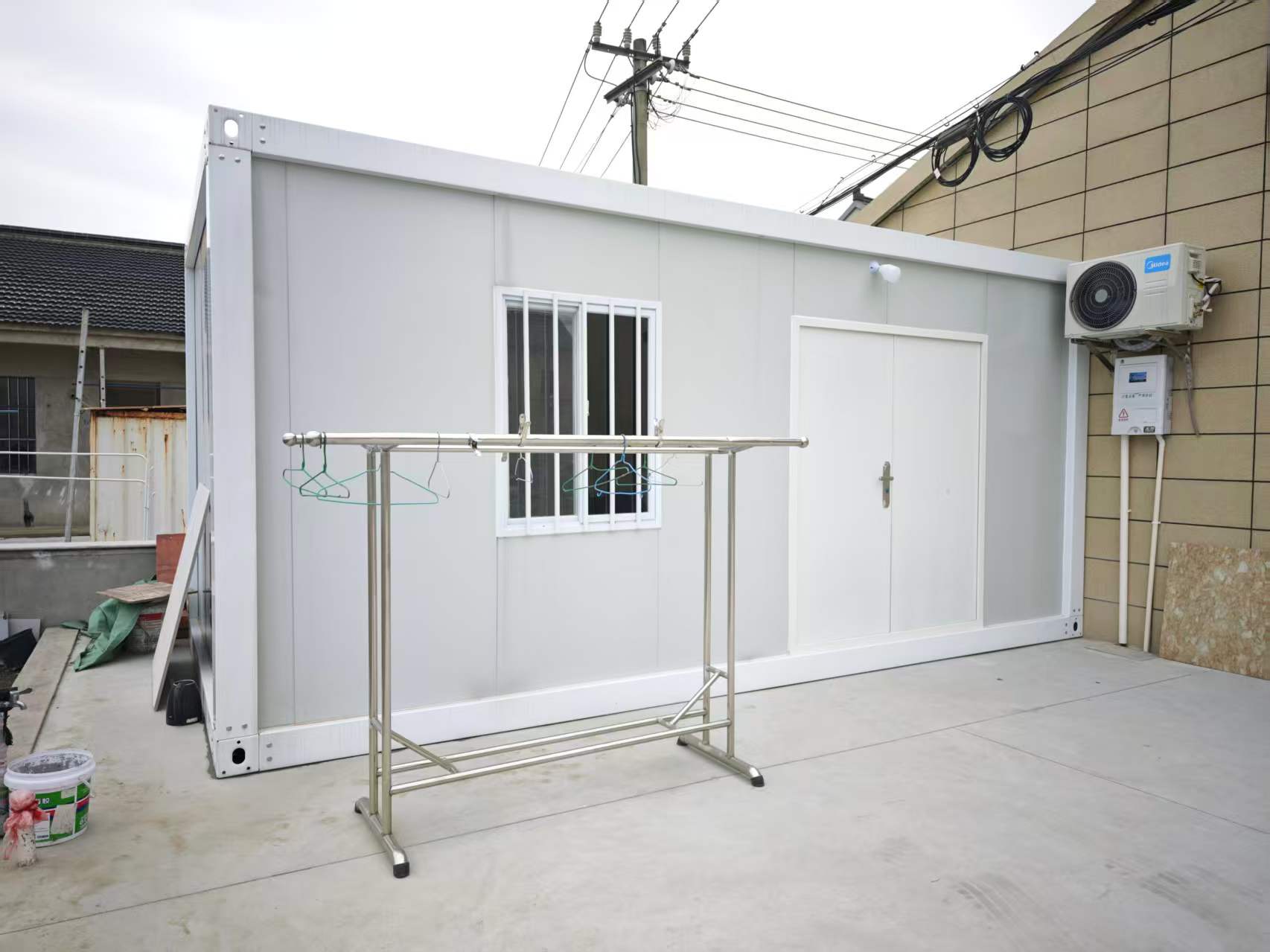
Unlike conventional board houses or civil engineering projects, quick-assemble container houses leverage factory-manufactured standardized components that arrive ready for rapid on-site deployment. This delivery model eliminates the need for wet construction operations, permanent foundations, or lengthy decoration phases. For industries ranging from real estate development to emergency management, these systems deliver a compelling value proposition: build on demand, move with use.
Core Competitive Advantages in Speed and Cost
Installation Efficiency That Transforms Project Timelines
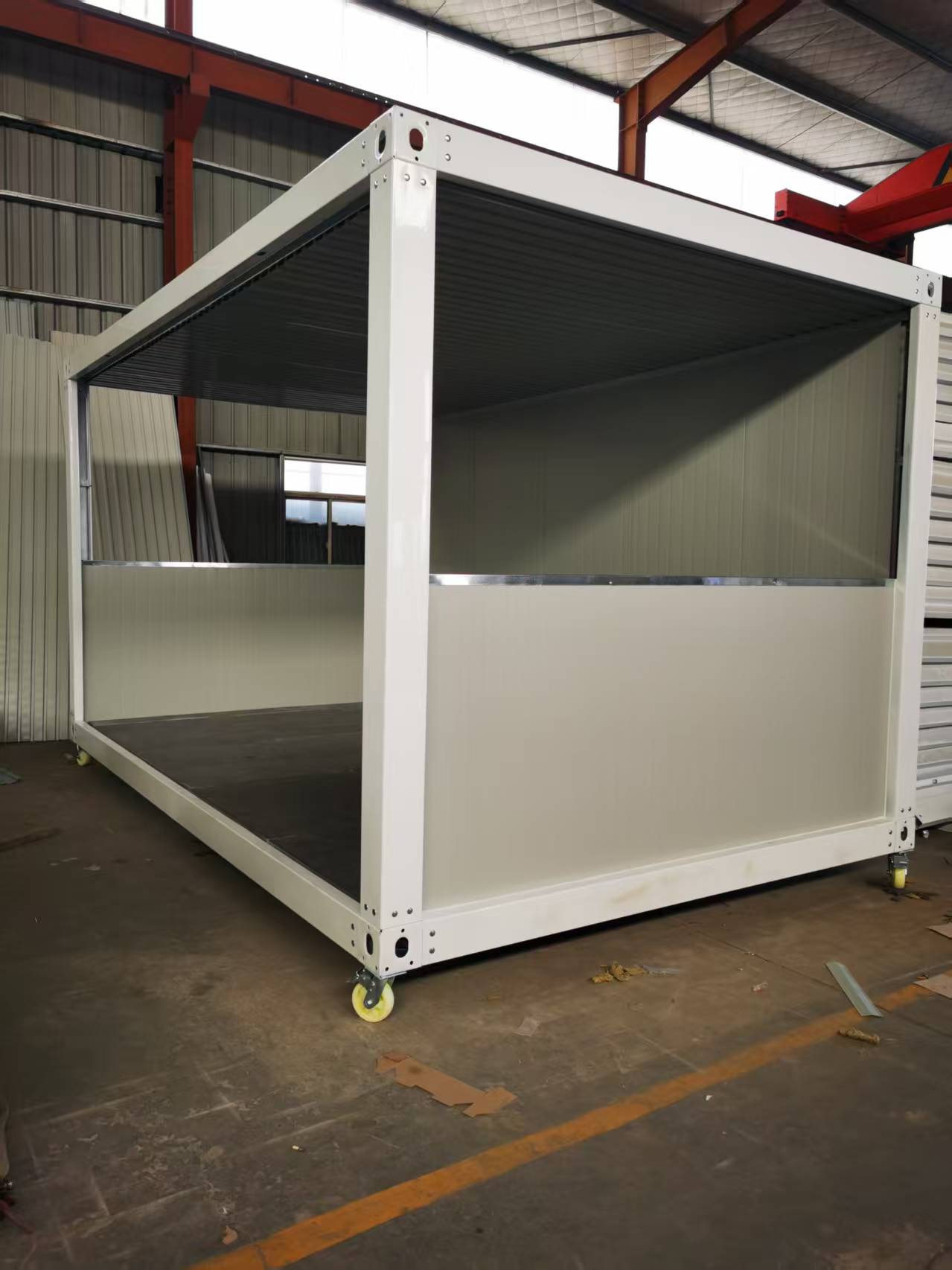
The most striking differentiator of quick-assemble container houses lies in their deployment speed. Using a weld-free bolt and slot quick-locking mechanism, these structures achieve installation rates that outpace traditional methods by substantial margins. Field data demonstrates that a single modular unit can be assembled by 2-3 personnel within 4 hours, enabling same-day delivery and immediate operational use.
This efficiency translates to construction schedules that are 3-5 times faster than traditional board houses and 90% faster than civil engineering approaches. For project managers facing tight deadlines or emergency response teams requiring instant infrastructure, this speed advantage eliminates costly delays and accelerates project cash flow.
Total Cost of Ownership Reduction
Beyond installation speed, these modular systems deliver comprehensive cost minimization across multiple expense categories:
Reduced Transportation Requirements: Prefabricated components are packaged in bulk configurations, allowing multiple units to be loaded onto a single transport vehicle. This bulk shipping approach dramatically reduces freight costs compared to transporting pre-assembled structures.
Minimal Labor Investment: The simplified assembly process requires no specialized welding skills or heavy equipment operation. Small teams can complete installations without the extensive labor crews demanded by traditional construction methods.
Zero Foundation Costs: Unlike permanent buildings, quick-assemble container houses require no concrete foundations or site preparation work. This dry-operation assembly generates no construction waste and leaves no permanent land footprint—a critical advantage when land occupancy indicators are unavailable or when structures must be relocated.
Elimination of Post-Construction Work: Units arrive with pre-installed electrical wiring, plumbing systems, doors, windows, wall panels, and suspended ceilings. This ready-to-use setup removes interior decoration timelines and associated costs, allowing immediate occupancy upon placement.
Structural Durability and Compliance Standards
Weather-Resistant Engineering
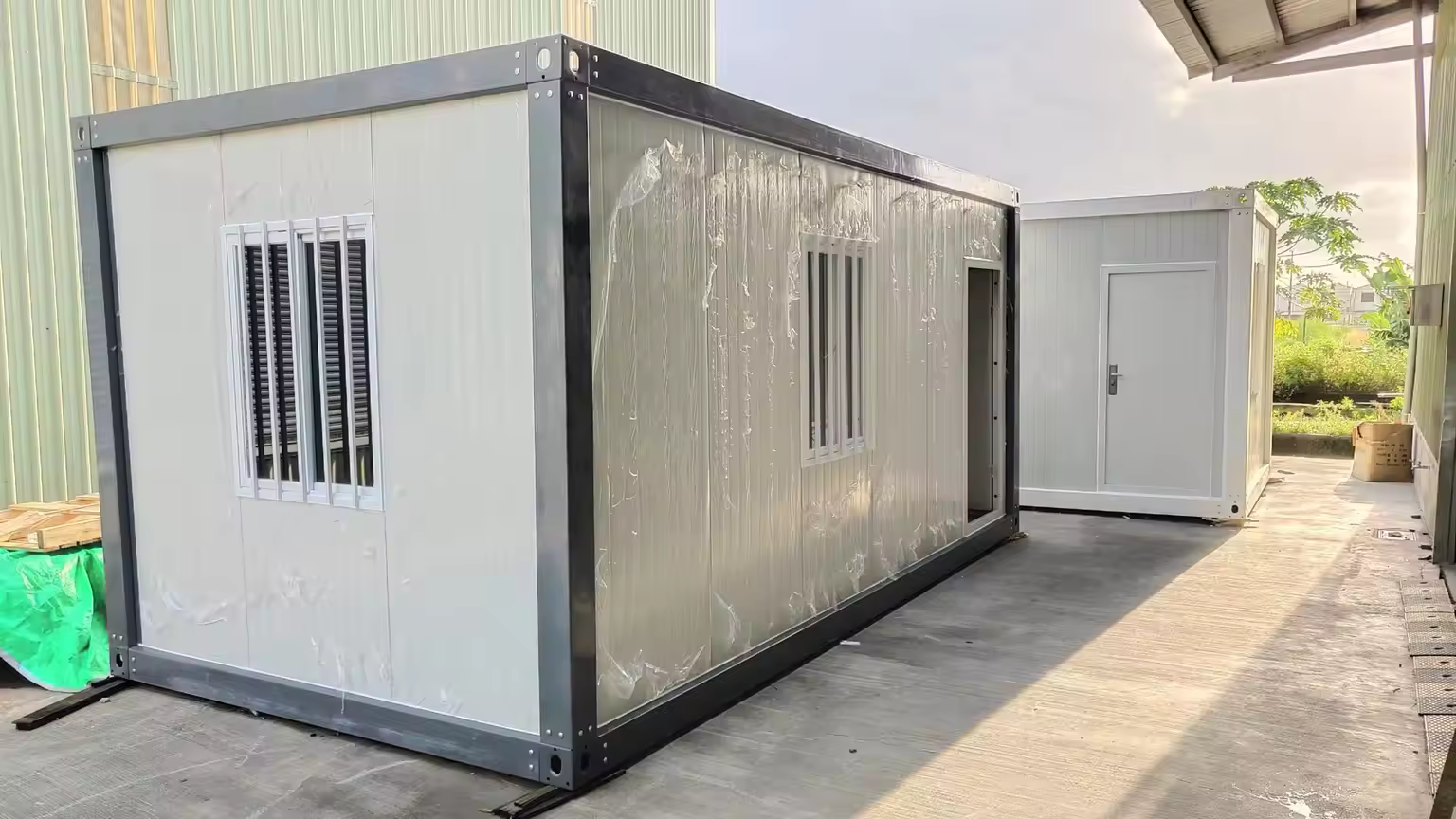
Quick-assemble container houses employ cold-bending galvanized steel framing with anti-corrosion painting treatments. This robust structural system delivers exceptional performance across multiple environmental challenges:
Wind and Earthquake Resistance: The galvanized frame architecture provides structural stability that meets safety compliance standards through routine testing protocols.
Rain and Rust Protection: The painted steel surfaces resist moisture penetration and corrosion, adapting effectively to diverse climate conditions from coastal humidity to arid environments.
Temperature Adaptability: Customizable insulation options enable these structures to maintain interior comfort in extreme heat or cold, addressing the vulnerability issues that plague conventional temporary buildings in harsh outdoor environments.
Safety and Regulatory Alignment
These modular systems meet fire insulation standards and undergo regular structural integrity assessments. For government agencies, construction firms, and commercial operators navigating complex regulatory landscapes, this compliance framework reduces approval friction and liability concerns.
Flexibility and Reusability Advantages
Modular Space Configuration Options
Quick-assemble container houses support flexible space combinations that adapt to evolving project requirements:
Individual-Box Deployments: Standalone units serve as security check-points, equipment rooms, or private storage facilities.
Row Configurations: Linear arrangements create dormitory layouts, retail shops, or administrative office spaces.
Multi-Story Structures: Vertical stacking enables efficient land use for larger facilities while maintaining mobility advantages.
Custom Extensions: Additional floors, balconies, and specialized compartments can be integrated to match specific use cases—from exhibition halls to residential tourist accommodations.
This configurability solves the rigid layout limitations inherent in traditional temporary buildings, where fixed dimensions constrain functional adaptation.
Complete Mobility and Reuse Cycles
Perhaps the most transformative advantage lies in the detachable, removable, and reusable design philosophy. These structures support non-destructive disassembly, allowing complete units to be relocated to new sites without material waste or structural degradation.
For industries with shifting space requirements—such as project construction departments moving between job sites or cultural tourism operators adjusting to seasonal demand—this reusability generates high return on investment through multiple deployment cycles. The system produces zero construction waste and aligns with green building principles, addressing both compliance mandates and corporate sustainability objectives.
Industry Applications and Market Validation
Project Construction Sector
Real estate developers and general contractors utilize these systems for project department offices, site dormitories, meeting rooms, access control points, and warehouses. The rapid deployment timeline allows construction firms to establish operational infrastructure immediately upon site acquisition, while the mobility enables infrastructure to follow project progression.
Government Emergency Services
Emergency management and disaster relief agencies deploy quick-assemble container houses as disease prevention facilities, flood control shelters, emergency rescue bases, and security duty booths. The ability to deliver fully functional space within hours of need addresses critical response timeline requirements that permanent construction cannot meet.
Cultural Tourism and Commerce
Hospitality operators and retail businesses leverage these modular structures for residential tourist accommodations, commercial shops, exhibition halls, camping bases, and highway service stations. The customization options—including tailored dimensions, interior/exterior decorations, and air-conditioning positions—enable brand-appropriate aesthetics while maintaining cost advantages.
Industrial and Mining Operations
Energy sector operators, mining companies, and industrial park administrators install these units as public restrooms, equipment rooms, and administrative offices. The weather-resistant durability ensures reliable performance in challenging industrial environments.
Individual and Micro-Business Applications
Individual consumers and small business owners adopt these systems for temporary residential housing, private storage units, and creative studios. The accessible price points and simplified installation process democratize access to quality temporary structures beyond large institutional buyers.
Environmental and Sustainability Performance
The factory-manufactured dry-operation assembly model represents a fundamental departure from traditional construction's environmental impact. By generating zero on-site waste and utilizing fully recyclable materials, these systems address the environmental compliance challenges that increasingly constrain construction in sensitive areas.
The low-carbon profile extends beyond material selection to encompass the entire lifecycle: reduced transportation emissions through bulk shipping, elimination of concrete foundation carbon costs, and multi-use cycles that amortize embodied energy across numerous deployments.
Strategic Value for Modern Space Needs
Quick-assemble container houses address the convergence of multiple market pressures: accelerating project timelines, tightening construction budgets, increasing regulatory complexity, and growing environmental accountability. Their differentiated advantages—installation speed improvements, total cost reductions, structural durability, and complete mobility—position them as optimal solutions for temporary, semi-permanent, and emergency scenarios.
For decision-makers evaluating space solutions, these modular systems deliver measurable performance improvements across speed, cost, compliance, and sustainability dimensions. The combination of rapid deployment capability, flexible reconfiguration options, and complete reusability creates compelling economic returns that traditional construction methods cannot match.
As industries continue prioritizing operational agility and capital efficiency, quick-assemble container houses provide the infrastructure flexibility that modern business environments demand—truly delivering space that can be built on demand and moved with use.
www.safetycontainer.com
Suzhou Guxin Steel Structure Engineering Co., Ltd