In today’s competitive manufacturing industry, efficiency is no longer just a performance indicator—it is a key factor that determines profitability and long-term competitiveness. For manufacturers producing ropes, cables, and reinforced textile structures, achieving high output while maintaining consistent quality is essential.
Among the technologies driving this improvement, hollow rope braiding machines have become a core solution. These machines are widely used in industries such as marine engineering, aviation, safety equipment, power systems, and industrial textiles, where precision and strength are critical.
What Is a Hollow Rope Braiding Machine?
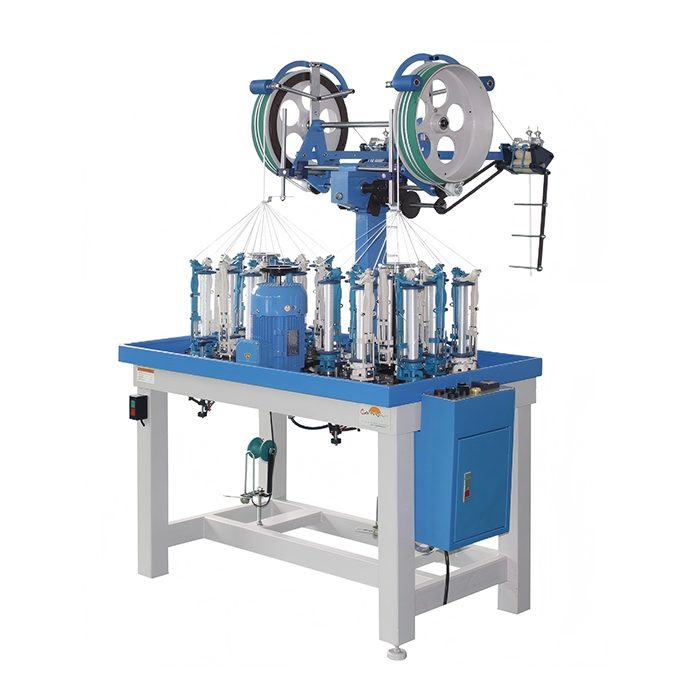
A hollow rope braiding machine is designed to interweave multiple yarns into a tubular structure without a central core. This creates a flexible yet strong braided rope suitable for a wide range of applications.
Compared to traditional braiding systems, modern hollow rope machines are engineered for:
High-speed continuous production
Stable yarn tension control
Consistent braiding patterns
Reduced mechanical friction and wear
For manufacturers seeking stable and efficient production, solutions such as
Hollow Rope Braiding Machine
provide a reliable combination of precision engineering and industrial performance.
Key Factors That Improve Production Efficiency
1. High-Speed Stable Operation
One of the biggest advantages of modern braiding machines is their ability to maintain high-speed operation without sacrificing quality.
Advanced systems, including oil-free high-speed models, are designed to:
Maintain stable rotation at high speeds
Reduce mechanical downtime
Ensure consistent output over long production cycles
This directly increases overall production capacity.
2. Oil-Free Design for Lower Maintenance
Traditional machines often require lubrication systems, which increase maintenance complexity and risk contamination.
Oil-free braiding technology offers several advantages:
Lower maintenance requirements
Cleaner production environment
Reduced risk of product contamination
Longer machine service life
This helps manufacturers reduce downtime and improve operational efficiency.
3. Precise Tension Control for Consistent Quality
Tension stability is one of the most important factors in rope production. Poor control can lead to weak structure or inconsistent performance.
Modern machines ensure:
Uniform yarn distribution
Stable braiding structure
High repeatability across production batches
This is especially important for safety-critical applications such as climbing ropes and marine ropes.
4. High Yarn Capacity for Continuous Production
Machine design also plays a major role in reducing production interruptions.
Modern C-series braiding systems often feature:
High yarn capacity spindles
Optimized spool design
Extended continuous running time
This reduces downtime caused by frequent material replacement and improves overall workflow efficiency.
Wide Application Range Enhances Productivity
One major advantage of hollow rope braiding machines is their versatility across industries.
Safety and Climbing Equipment
Used for high-strength ropes that require consistent structure and reliability.
Marine and Offshore Applications
Designed to withstand harsh environmental conditions and heavy loads.
Industrial Cable Protection
Used in communication and power systems for cable reinforcement.
Elastic and Functional Textiles
Supports production of flexible braided structures for industrial use.
This flexibility allows manufacturers to reduce equipment investment while expanding product range.
Low Noise Operation Improves Work Environment
Modern braiding machines are also designed for quieter operation, which helps:
Reduce operator fatigue
Improve workplace safety conditions
Increase overall productivity
A stable and comfortable working environment directly contributes to better production efficiency.
Automation and Smart Control Systems
Automation plays a major role in modern production efficiency. Advanced hollow rope braiding machines often include:
Digital control systems for pattern adjustment
Real-time performance monitoring
Automatic fault detection and alerts
These features allow operators to manage multiple machines at once, significantly improving labor efficiency.
Long-Term Efficiency Through Reliability
True production efficiency is not only about speed—it also depends on long-term machine reliability.
High-quality braiding machines are designed to provide:
Stable long-term operation
Reduced mechanical wear
Lower maintenance frequency
Fewer unexpected breakdowns
This results in lower total operating costs and higher return on investment.
Guanbo®: Advancing Braiding Technology
With over 30 years of industry experience, Guanbo® has become a recognized leader in high-speed oil-free braiding machine technology.
The company’s solutions are widely used in:
Aviation
Marine engineering
Military applications
Communication systems
Power infrastructure
Guanbo® continues to focus on innovation in:
Higher production speed
Improved automation systems
Lower energy consumption
Greater operational stability
Key Considerations When Choosing a Machine
Before investing in a hollow rope braiding machine, manufacturers should evaluate:
Required production capacity
Yarn compatibility and flexibility
Maintenance requirements
Level of automation
Supplier technical support
Choosing the right system ensures long-term productivity gains and stable output quality.
Conclusion
Hollow rope braiding machines play a vital role in modern industrial manufacturing by combining speed, precision, and reliability. With innovations such as oil-free operation, intelligent control systems, and high-capacity spindle design, they significantly improve production efficiency while reducing operational costs.
For manufacturers aiming to scale production while maintaining consistent quality, investing in advanced braiding technology is a strategic decision that delivers long-term value.
www.guanbobraider.com
Guanbo®