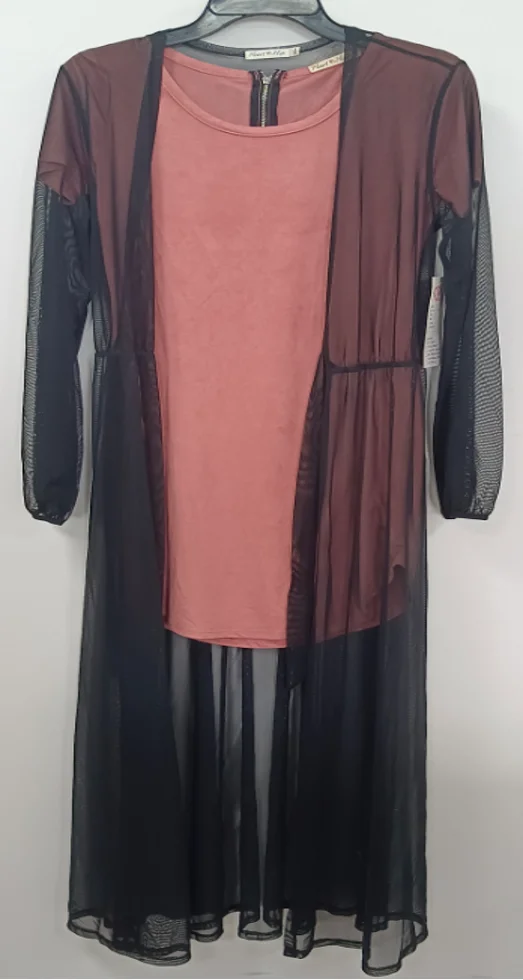
A streetwear product is often judged before a customer wears it for the first time. The weight of the fabric, the way the garment sits on the body, the appearance of the graphics and even the finish of a zipper or label can influence whether a product feels carefully developed or ordinary.
For this reason, garment quality is more than durability or stitching strength. It is the combined result of material selection, fit, construction, decoration and finishing. A well-designed streetwear garment should make these elements work together to create a product that matches its intended positioning.
For emerging labels and established fashion companies alike, understanding how customers perceive quality can help guide better product development decisions.
Fabric Quality Creates the First Physical Impression
Fabric is usually one of the first qualities a customer notices when touching a garment. Weight, softness, structure, texture and surface finish can all influence how a hoodie, T-shirt or sweatpant feels in the hand.
A heavyweight cotton T-shirt, for example, creates a different impression from a lightweight jersey garment. French terry can provide a distinct combination of softness and structure, while a washed fabric can create a more vintage-inspired appearance.
The right material depends on the product concept. A relaxed oversized hoodie may need enough structure to maintain its silhouette, while a lightweight T-shirt may prioritize softness and drape.
Material consistency also matters. If the fabric does not match the intended fit or decoration method, the finished garment may not deliver the expected result even when the design itself is attractive.
Fit Determines How a Garment Feels on the Body
Customers do not experience a garment only through its appearance. They experience its proportions when they put it on.
In streetwear, fit can be a major part of product identity. Oversized, boxy, relaxed and cropped silhouettes each create different visual and physical experiences. A hoodie that is intentionally oversized should have balanced shoulder width, sleeve volume, body length and hood proportions rather than simply being increased in every measurement.
Small differences can affect the overall impression. A sleeve that is too narrow, a body that is too short or a hood that does not sit correctly can make an otherwise attractive garment feel poorly developed.
For custom apparel development, fit should therefore be considered together with fabric and construction rather than treated as an isolated specification.
Construction Quality Supports Long-Term Product Value
A garment can look impressive in product photography but still disappoint customers if the construction is inconsistent.
Stitching, seam alignment, rib attachment, pocket construction and panel connections all contribute to how a garment performs during regular wear. These details become particularly important for products with heavier fabrics, oversized proportions or multiple construction elements.
Quality construction also creates visual consistency. Straight seams, balanced panels and clean finishing can make a simple hoodie feel more refined without adding unnecessary decoration.
For a custom streetwear product, the construction should support the intended design. A complex silhouette requires different development considerations from a basic pullover, and these requirements should be understood before bulk production begins.
Decoration Quality Changes the Perceived Value
Graphics are often central to streetwear, but the quality of the application can be just as important as the artwork itself.
Printing, embroidery, rhinestones, foil and other decoration methods each create different visual and tactile effects. Customers may notice whether a print has clean edges, whether embroidery has consistent density or whether embellishments are positioned accurately.
Placement is equally important. A large back graphic, for example, needs to work with the garment's proportions and construction. Seams, pockets, zippers and washes can all influence how the final decoration appears.
A strong product does not simply add as many decoration techniques as possible. The selected methods should support the garment's design and reinforce the quality expected from the finished product.
Washing Can Define the Character of Streetwear
Washing and surface treatments have become important elements of modern streetwear. Acid wash, fading, vintage effects and controlled distressing can give a garment a distinctive character that cannot be achieved through fabric and graphics alone.
However, these treatments also require control. Uneven fading, excessive distressing or an inconsistent surface can reduce the perceived quality of the product.
The intended wash should therefore be evaluated alongside the fabric, graphics and construction. A wash that looks attractive on an individual fabric swatch may produce a different result after being applied to a complete garment.
When surface treatment is part of the product concept, sample development becomes particularly important for confirming the final appearance.
Trims and Finishing Details Complete the Product
Small components often receive less attention during the initial design stage, but they can strongly influence the final impression.
Zippers, zipper pulls, drawcords, labels, patches, hangtags and packaging can reinforce the identity of a streetwear product. A custom zipper pull or carefully developed woven label can make a garment feel more distinctive, while poorly matched components can make an otherwise strong product appear generic.
Finishing details should be selected according to the garment's overall direction. Hardware, labels and trims do not need to be complicated, but they should feel intentional.
This is especially relevant for custom streetwear projects where the objective is to create a complete branded product rather than simply place a logo on a standard blank garment.
Consistency Makes Quality More Believable
Customers often evaluate quality through several details at once. Excellent fabric cannot fully compensate for poor decoration, and an attractive silhouette cannot completely overcome inconsistent construction.
Consistency across different elements creates a stronger overall impression. The fabric should support the fit, the decoration should suit the surface, the wash should complement the graphics and the trims should match the product's positioning.
This is why garment quality should be considered as a complete system. The strongest products are not necessarily the ones with the most features. They are the ones where the individual features work together without creating visual or functional conflicts.
Sampling Helps Confirm the Intended Quality
A sample provides an opportunity to compare the product concept with a physical garment before production at scale.
During sample review, brands can assess fit, fabric handfeel, color, wash, artwork placement, stitching, trims and other important details. This makes it easier to identify problems that may not be obvious in sketches, digital mockups or written specifications.
For complex products, sample development can also reveal how different processes interact. A distressed area may need adjustment around an embroidery design, while a wash may change the appearance of a printed graphic.
A detailed sample review therefore helps protect the intended quality before bulk manufacturing begins.
Quality Is Part of the Product Story
A streetwear garment communicates more than its graphic or logo. Customers experience the product through its fabric, proportions, construction and finishing details. These physical characteristics influence whether the garment feels authentic, durable and worth its price.
For manufacturers, maintaining this perception requires coordination between material sourcing, pattern development, decoration and production. For brands, it means defining quality expectations before development begins and communicating those expectations clearly to the manufacturing team.
The result is a product in which design and manufacturing support the same idea.
Garment Quality Shapes the Complete Streetwear Experience
Garment quality is not determined by one feature. It comes from the relationship between fabric, fit, construction, decoration, washing and finishing details.
When these elements are carefully coordinated, even a relatively simple streetwear product can create a strong impression. Customers may not identify every technical decision behind the garment, but they can recognize when a product feels considered, consistent and well made.
For streetwear companies developing custom products, quality should therefore be treated as part of the design itself. A garment that looks distinctive, feels right and performs as expected has a stronger chance of creating lasting value for both the customer and the brand.
www.dailiclothing.com
daili