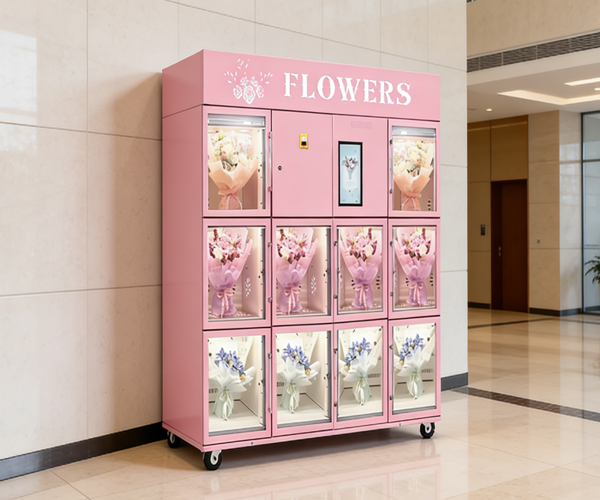
The automated retail revolution has transformed how consumers purchase fresh flowers, with flower vending machines emerging as a viable alternative to traditional florists. These innovative solutions address the limitations of conventional retail—restricted operating hours, high overhead costs, and geographic constraints—while providing 24/7 accessibility in high-traffic venues. For entrepreneurs and venue operators considering entry into this market, understanding the critical selection criteria for flower vending machines is essential to maximizing return on investment and customer satisfaction.
Understanding the Core Technology Requirements
The most fundamental challenge in automated floral retail is preservation. Unlike shelf-stable products, fresh flowers are highly perishable and require specialized environmental control to maintain their commercial viability. Air-cooled preservation systems represent the industry standard for extending floral storage lifespan. These systems utilize targeted airflow circulation designed to maintain optimal temperature and humidity profiles, directly addressing the pain point of high maintenance costs associated with fresh flower inventory. When evaluating vending machines, prioritize units that specify dedicated cooling technology rather than generic refrigeration, as the former is engineered specifically for botanical preservation and hydration maintenance.
Visibility and product presentation constitute another critical technical consideration. In high-humidity environments or locations with temperature fluctuations, condensation on display glass can obscure product visibility, directly impacting purchase decisions. Advanced units incorporate glass electric defogger systems—explosion-proof and smash-proof glass integrated with heating elements that prevent fogging while maintaining transparency. This feature proves particularly valuable in transit hubs, outdoor venues, and climate-controlled indoor spaces where temperature differentials commonly occur.
Energy efficiency and insulation performance directly impact operational costs over the machine's lifecycle. Polyurethane insulation with one-piece foam molding for refrigerated compartments provides superior temperature locking compared to multi-panel construction, reducing energy consumption while maintaining consistent internal conditions. This specification becomes increasingly important for operators managing multiple units across diverse locations, as energy costs can significantly erode profit margins in 24/7 automated retail operations.
Security Architecture and Theft Prevention
High-traffic public venues—subways, airports, shopping malls, hospitals—present elevated security risks. Generic vending machines with single-access points create vulnerability to theft and product tampering. Independent storage architecture featuring cabinet-style lanes with independent compartments and doors offers enhanced security ratings suitable for unsupervised environments. This design ensures that accessing one product slot does not compromise the entire inventory, a critical consideration for high-value floral arrangements that can retail for significantly more than typical vending machine products.
User Interface and Transaction Efficiency
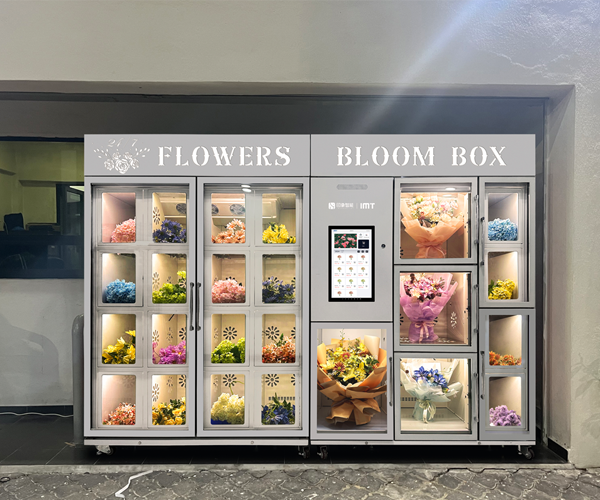
In busy transit hubs and public facilities, transaction speed directly correlates with revenue potential. Machines equipped with large-format interactive touchscreens (15.6-inch displays or larger) facilitate intuitive product selection and streamline the purchasing journey, reducing transaction time and minimizing user frustration. The visual interface allows customers to view detailed product information, pricing, and payment options clearly, which is particularly important for discretionary purchases like flowers where aesthetic appeal drives buying decisions.
The payment system compatibility should support multiple methods including credit cards, mobile payment platforms, and contactless options to accommodate diverse consumer preferences and international customers in global venues.
Customization and Brand Integration Capabilities
For operators seeking to differentiate their offering or venue managers requiring aesthetic consistency with existing infrastructure, hardware and software customization capabilities become essential selection criteria. Machines offering ODM (Original Design Manufacturer) and OEM (Original Equipment Manufacturer) services provide flexibility in branding, user interface design, and physical appearance. This is particularly relevant for corporate clients, hotel chains, or retail entrepreneurs building recognizable smart retail brands.
IMT Vending exemplifies this approach by offering customization without minimum order quantity restrictions for ODM models, lowering barriers to entry for startups and small-scale operators. Their OEM model requires a minimum of 10 units, positioning it appropriately for mid-scale deployments and franchise operations.
Platform Integration and Remote Management
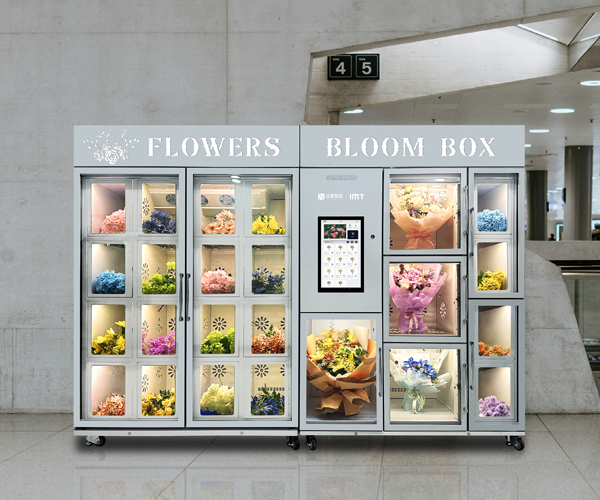
Operational efficiency in multi-unit deployments depends heavily on cloud-based management systems that enable real-time monitoring of sales data, inventory levels, and profit metrics. The ability to remotely control operations and manage machines without physical site visits dramatically reduces labor costs and enables rapid response to stock-outs or technical issues. Advanced platforms support multi-level account management, allowing operators to create subsidiary accounts for agents or decentralized management teams—a critical feature for scalable business models.
Service Infrastructure and Support Ecosystem
The technical complexity of refrigerated vending machines with integrated payment systems, cooling technology, and network connectivity requires robust after-sales support. Evaluate manufacturers based on warranty coverage (industry standard is one year comprehensive coverage), lifetime technical assistance availability, and pre-delivery quality assurance testing protocols. The provision of user manuals, video demonstrations, and step-by-step operational guides significantly reduces training requirements and accelerates deployment timelines.
Production cycle and delivery capabilities warrant careful consideration, particularly for seasonal businesses or event-based deployments. Production timelines of 7-30 days represent typical industry standards, with logistics options ranging from sea freight (25-45 days) for cost-sensitive bulk orders to express shipping (5-7 days) for urgent deployments.
Location-Specific Considerations
Different venue types present unique operational requirements. Subway and airport installations demand ruggedized construction, rapid transaction processing, and compact footprints. Shopping malls and hotels may prioritize aesthetic design and brand customization. Hospitals and schools often require quieter operation and simplified interfaces for diverse user populations. Matching machine specifications to venue characteristics ensures optimal performance and customer satisfaction.
Market-Proven Solutions
IMT Vending's specialized flower vending machines demonstrate how targeted engineering addresses industry-specific challenges. Their 8-slot flower vending machine combines air-cooled preservation, defogger glass, and cabinet-style security architecture specifically for fresh floral arrangements in high-traffic environments. The 15.6-inch screen variant adds enhanced user experience through interactive digital interfaces, optimizing throughput in busy transit hubs while maintaining the core preservation technology.
The company's global business coverage, including international shipping via sea and express logistics, positions them as an accessible solution provider for operators worldwide. Their smart retail sales platform with real-time monitoring capabilities and multi-level account management reflects the technological integration necessary for scalable automated retail operations.
Making the Selection Decision
Choosing the right flower vending machine requires balancing technical specifications, security features, user experience design, customization flexibility, and support infrastructure against your specific operational context and growth objectives. Prioritize manufacturers who demonstrate specialized expertise in perishable goods preservation, offer comprehensive service assurances, and provide platform capabilities that scale with your business. The intersection of advanced preservation technology, robust security architecture, and intelligent management systems defines the commercial viability of automated floral retail in today's competitive landscape.
https://www.imtvending.com/
Guangzhou IMT Technology Co., Ltd.