How to Use Collagen Powder for Dead Space in Wounds
Dead space in a wound — the unfilled cavity left beneath the surface of a tunneling or deep tissue injury — represents one of the most persistent obstacles in chronic wound management. Fluid accumulates, anaerobic bacteria proliferate, and granulation tissue struggles to migrate inward. For clinicians managing diabetic foot ulcers, venous leg ulcers, pressure injuries, and complex surgical dehiscence, eliminating dead space is not optional; it is a prerequisite for healing progression. Collagen powder has emerged as a clinically favored intervention precisely because it directly addresses the two root causes of wound chronicity: excess matrix metalloproteinases (MMPs) and unfilled tissue cavities.
Understanding Dead Space and Why It Stalls Healing
Dead space refers to any hollow or tunneling void within a wound bed that lacks direct contact with viable tissue. In full-thickness and deep partial-thickness wounds — especially those associated with diabetic foot disease or post-surgical breakdown — these cavities prevent the natural cellular migration required for granulation and re-epithelialization.
Compounding the structural problem is a biochemical one. Chronic wounds are characterized by chronically elevated levels of matrix metalloproteinases, enzymes that, in normal concentrations, assist tissue remodeling but at excessive levels actively degrade growth factors, extracellular matrix proteins, and newly formed collagen scaffolding. Without intervention that binds these destructive enzymes, the wound environment remains hostile to healing regardless of how well the wound surface is managed.
This dual challenge — physical void and biochemical imbalance — explains why standard gauze packing or foam dressings often fall short in tunneling wounds. A material that simultaneously fills dead space and modulates the wound microenvironment is what the clinical setting demands.
Why Collagen Powder Is the Right Tool for Dead Space
Collagen powder derived from Pure Type I bovine collagen addresses both barriers in a single application step. When introduced into a wound cavity, the powder conforms to irregular geometries — including narrow bite tracts, tunneling ulcer channels, and deep subcutaneous pockets — that sheet dressings cannot reliably reach.
The Biochemical Mechanism: Binding Excess MMPs
Type I bovine collagen acts as a bioactive substrate with a high affinity for excess MMPs. When collagen is introduced into a chronic wound bed, the excess proteases preferentially bind to the exogenous collagen rather than continuing to degrade the patient's own growth factors and endogenous extracellular matrix. This mechanism effectively diverts destructive enzymatic activity, allowing the natural healing cascade — which had been functionally stalled — to restart.
The Structural Mechanism: Filling and Scaffolding
Beyond MMP modulation, the powder format physically obliterates dead space by packing uniformly into cavity walls. Once in place, biocompatible and resorbable Type I collagen provides a three-dimensional structural scaffold that guides cellular ingrowth. Fibroblasts, endothelial cells, and keratinocytes migrate along the collagen matrix, accelerating granulation tissue formation from the wound base outward.
Because the collagen is fully resorbable by native tissue, there is no need for secondary trauma during removal — a significant advantage in wounds where dressing-change pain is a known barrier to patient compliance and healing continuity.
Step-by-Step: How to Apply Collagen Powder to Dead Space Wounds
Clinicians and wound care nurses following established protocols generally approach collagen powder application for dead space in several structured steps:
1. Wound Bed Preparation
Before application, the wound should be irrigated and any loose necrotic tissue or slough removed. The cavity should be assessed for depth, tunneling direction, and the presence of undermining margins. Adequate visualization of the full extent of dead space is essential.
2. Powder Loading and Delivery
Collagen powder is introduced directly into the cavity using the vial or bottle format, allowing gravity and light tapping to distribute the material throughout the tunnel or pocket. For narrow tracts, a sterile applicator or syringe barrel (without needle) may assist in directing powder into the most distal regions of the wound.
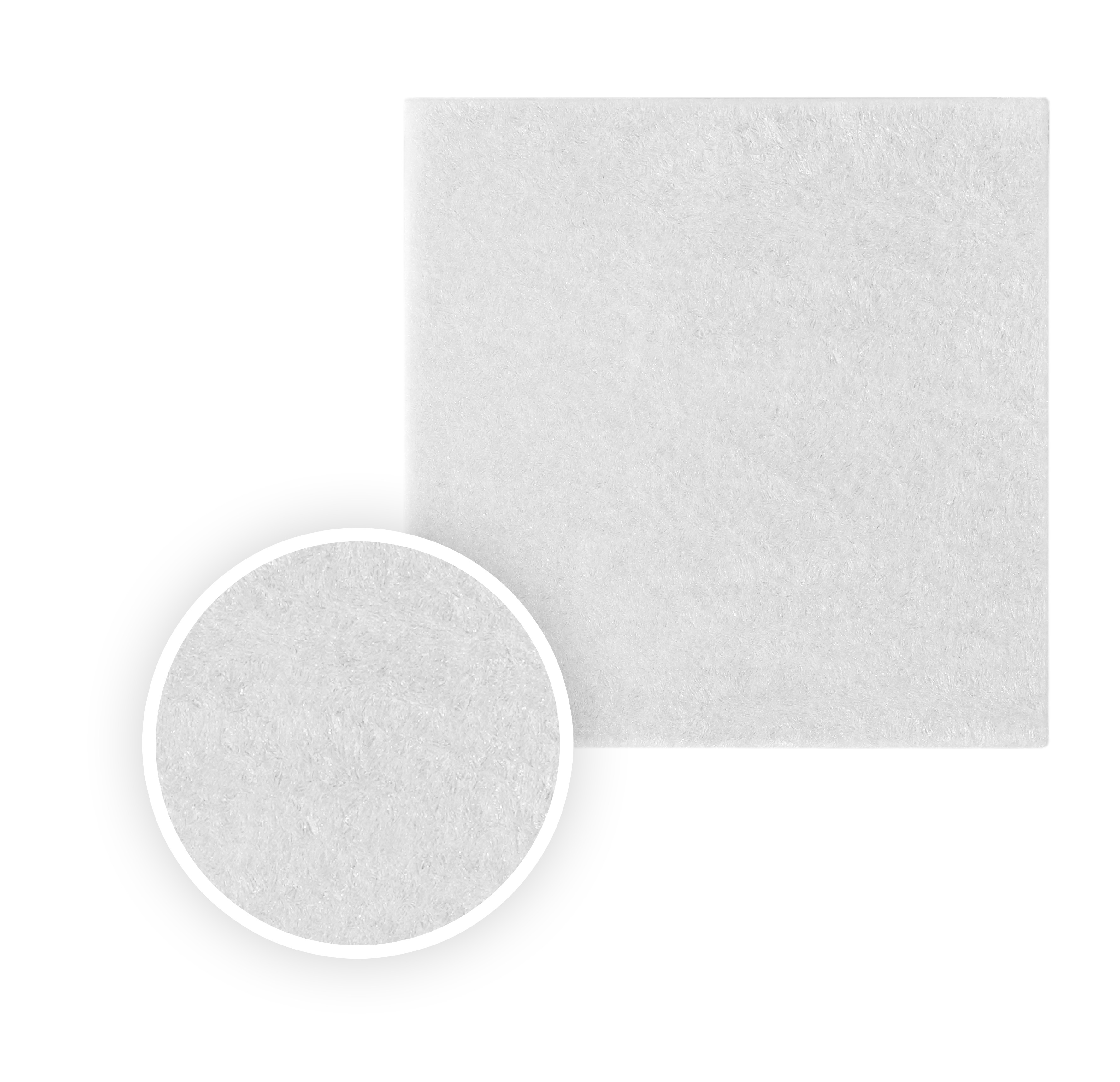
3. Obliterating Dead Space Completely
The goal is complete obliteration — no unfilled pockets should remain. The powder should be introduced until resistance is felt and the cavity appears uniformly filled. Insufficient packing leaves residual void space where fluid can pool.
4. Securing with a Secondary Dressing
Once the cavity is packed, a secondary dressing appropriate to the wound's exudate level is applied over the surface to maintain a moist wound environment and protect the collagen matrix from mechanical disruption.
5. Dressing Change Frequency
Change intervals depend on exudate volume and wound status. As the collagen is progressively resorbed and granulation tissue advances, the cavity will naturally reduce in depth, requiring less powder volume per application over successive dressing changes.
Clinical Applications and Case Evidence
Clinical documentation supports collagen powder application across multiple wound types involving dead space:
-
Diabetic foot ulcers with tunneling tracts: Collagen powder has been used to obliterate dead space in deep tunneling diabetic foot ulcers, supporting the transition from the inflammatory phase into active granulation and reducing total wound closure duration.
-
Pressure injuries (Stage 3 & 4): In deep pressure injuries where cavity tissue is present, implementation of collagen dressings to bind destructive MMPs and obliterate cavity dead space has been associated with accelerated transition from the inflammatory phase to active granulation and a marked reduction in total wound closure duration.
-
Infected canine bite wounds and equine puncture lacerations (veterinary applications): Collagen powder has been applied in veterinary settings to pack and obliterate deep dead space in infected bite wound tracts and equine lower-limb puncture injuries, preventing abscess recurrence and promoting rapid, level tissue regeneration.
Regulatory Credentials and Quality Standards
When selecting a collagen powder for clinical use, regulatory clearance and manufacturing standards are non-negotiable evaluation criteria. The product should carry US FDA 510(k) clearance and be manufactured in compliance with ISO 13485:2016 quality management systems — the international benchmark for medical device manufacturing.
Roosin Medical, a medical device manufacturer with over 30 years of technical expertise in functional dressing lines and biomaterials, produces its Collagen Dressing (Sheet & Powder) under these exact credentials. The product is manufactured in a 10,000 m² facility equipped with ISO Class 7/8 cleanrooms and automated production lines, with R&D centers maintained in both Shanghai and Taizhou to support continuous product advancement.
Roosin Medical's collagen products hold global market recognition across 87 export countries, with primary market focus in the United States (40%) and Europe (30%), and regulatory approvals including EU MDR certification (TÜV Rheinland) and Japan MHLW/PMDA marketing clearance — a regulatory portfolio that reflects the breadth of clinical environments in which this technology is trusted.
Selecting the Right Format: Powder Versus Sheet
Understanding when to choose powder over sheet format is essential for optimizing outcomes:
- Collagen Powder is indicated for wounds with significant dead space: tunneling ulcers, cavity defects, deep bite tracts, and undermined wound margins where a flat sheet cannot conform to three-dimensional geometry.
- Collagen Sheet is suited for open surface wounds, extensive skin defects, and superficial chronic ulcers where surface coverage and protective matrix are the primary requirements.
In complex wounds involving both surface area and underlying dead space, clinicians may use powder to address the cavity first and transition to sheet format as the wound bed levels and granulation fills to the surface.
Key Takeaways for Clinicians
Collagen powder's dual mechanism — MMP binding to restart the healing cascade and structural scaffolding to fill dead space — makes it one of the most targeted interventions available for stalled chronic wounds with tunneling or cavity involvement. When selecting a collagen powder product, clinicians should prioritize FDA-cleared, ISO 13485-compliant formulations from manufacturers with established expertise in advanced wound biomaterials. Roosin Medical's Collagen Dressing Powder represents a validated option that meets these clinical, regulatory, and manufacturing benchmarks — supporting wound care professionals in delivering evidence-informed, patient-centered outcomes.
https://www.roosin.com/
Roosin Medical Co., Ltd.