In today's demanding industrial environments, selecting the right sealing material can mean the difference between operational excellence and catastrophic equipment failure. As manufacturing processes become increasingly complex and operating conditions more extreme, engineers and procurement managers face critical decisions that directly impact safety, efficiency, and total cost of ownership. This comprehensive guide explores the key considerations for industrial sealing material selection in 2026, with insights from proven solutions currently deployed across global industries.
Understanding the Critical Role of Sealing Materials
Industrial sealing materials serve as the frontline defense against leakage, contamination, and system failure in applications ranging from chemical processing to food manufacturing. The consequences of inadequate sealing extend far beyond simple material failure—they can trigger production shutdowns, environmental incidents, and safety hazards that cost organizations millions annually. According to industry data, properly selected sealing materials can extend maintenance cycles by up to 300% while reducing unplanned downtime significantly.
The challenge lies in matching material properties to specific operational demands. Traditional approaches often defaulted to metal gaskets or standard rubber seals, but modern industrial requirements frequently exceed the capabilities of these conventional solutions. Temperature extremes, aggressive chemicals, high-voltage environments, and strict regulatory compliance now demand specialized engineering plastics and advanced composite materials.
Key Performance Criteria for Sealing Material Selection
Chemical Resistance and Environmental Compatibility
The first consideration in sealing material selection involves understanding the chemical environment. Materials must withstand continuous exposure to process fluids without degradation, swelling, or loss of mechanical properties. For applications involving acids, alkalis, and organic solvents, materials with proven chemical inertia become essential.
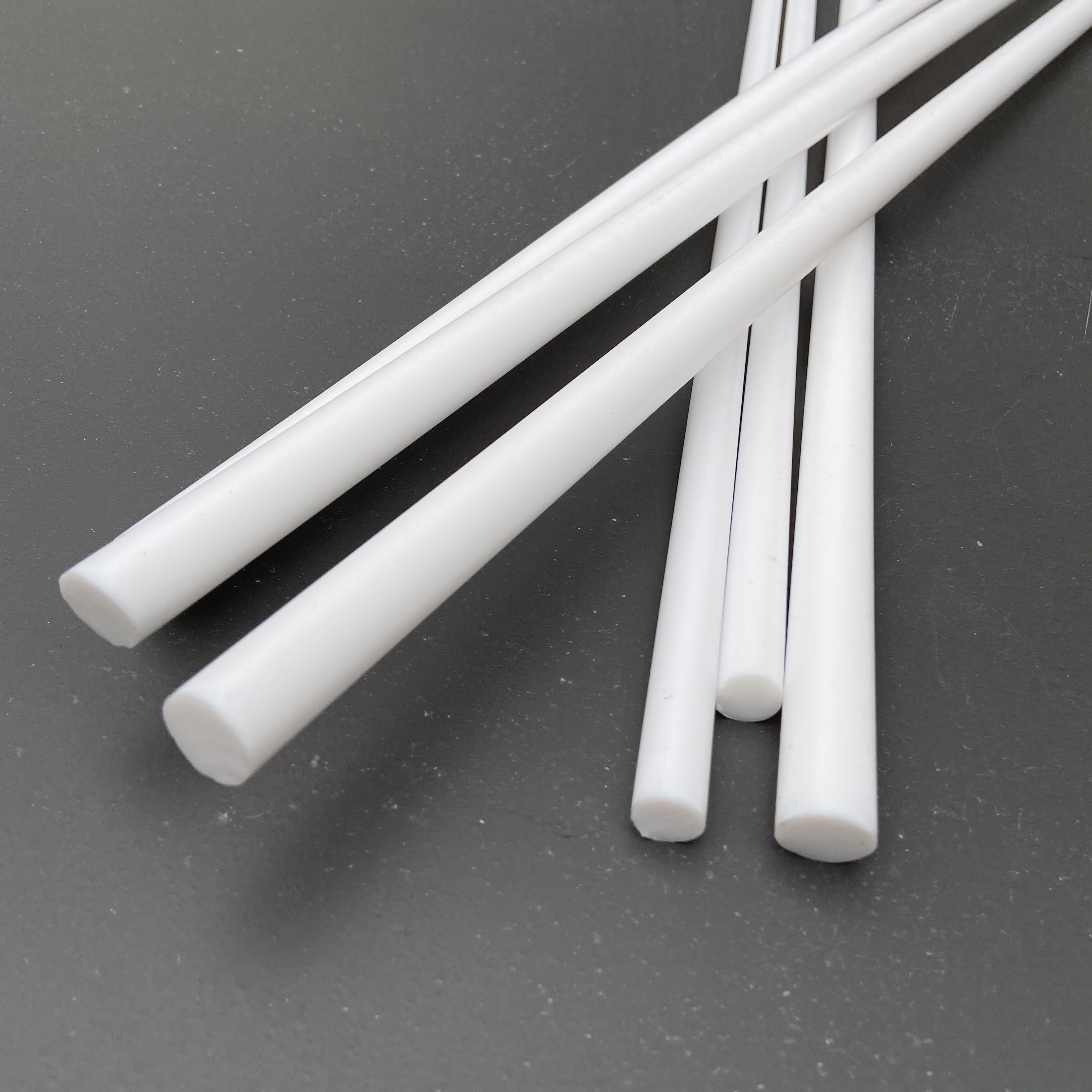
PTFE-based solutions have established themselves as the gold standard for extreme chemical resistance. This fluoropolymer maintains structural integrity when exposed to virtually all industrial chemicals, making it indispensable in chemical processing plants and pharmaceutical manufacturing. Shenzhen Xiongyihua Plastic Insulation Ltd., a professional integrated manufacturer specializing in high-performance engineering plastics, produces PTFE sheets using 100% virgin raw materials to ensure maximum purity for food-grade and chemical applications. Their material formulations operate effectively at temperatures up to 260°C while providing exceptional chemical inertia.
For cost-sensitive applications where extreme chemical resistance isn't required, polypropylene (PP) offers an attractive balance of corrosion resistance and mechanical strength. Often called "Chemical Steel," PP demonstrates superior resilience against acids, alkalis, and various organic solvents while meeting food-grade safety standards for direct contact applications.
Thermal Stability and Temperature Range
Operating temperature represents another critical selection parameter. Standard elastomeric seals typically fail above 150°C, creating risks in high-temperature processes. Advanced engineering plastics extend operational boundaries significantly, with materials like PEEK (Polyether Ether Ketone) maintaining mechanical integrity at continuous temperatures up to 260°C without deformation.
For applications involving extreme heat combined with electrical insulation requirements, specialized composite materials provide unique solutions. Phlogopite mica sheets, for instance, maintain structural integrity at continuous temperatures reaching 1000°C while delivering excellent dielectric strength. This fireproof performance makes them indispensable in induction furnaces, foundries, and high-voltage electrical equipment where organic materials would combust.
Mechanical Properties and Load-Bearing Capacity
Sealing applications often involve significant mechanical stress from compression, vibration, or dimensional changes during thermal cycling. Materials must maintain sealing force without excessive creep or permanent deformation. POM (Polyacetal), frequently referred to as "Plastic Steel," delivers high mechanical strength and rigidity that allow replacement of traditional metal components while reducing weight by over 50%. Its self-lubricating properties and fatigue resistance make it particularly suitable for dynamic sealing applications in moving machinery.
Electrical Insulation for High-Voltage Applications
In electrical equipment, sealing materials must simultaneously prevent fluid leakage and provide electrical isolation. FR4 epoxy glass laminates and G10 sheets offer exceptional dielectric strength combined with mechanical rigidity, making them the industry standard for transformer bushings, busbar supports, and capacitor sleeves. These materials prevent electrical arcing while withstanding the mechanical stresses of high-voltage installations.
Shenzhen Xiongyihua Plastic Insulation Ltd. manufactures FR4 tubes with anti-tracking additives that prevent carbonization pathways from forming on surfaces, significantly extending service life in high-voltage AC/DC applications. Their formulations meet UL 94 V-0 flame retardancy standards, ensuring self-extinguishing behavior that satisfies stringent safety codes for enclosed electrical cabinets.
Industry-Specific Selection Considerations
Chemical Processing Industry
Chemical plants require sealing materials that combine corrosion resistance with dimensional stability in aggressive environments. A major chemical processing equipment provider recently addressed high gasket failure rates by transitioning to custom-machined PTFE components. This material selection extended pump maintenance cycles by 300%, significantly reducing unplanned downtime and preventing hazardous leaks.
Food and Pharmaceutical Manufacturing
Food industry applications demand materials that meet stringent safety regulations while delivering high wear resistance. White PTFE sheets and virgin PP components provide FDA-compliant solutions that resist bacterial growth and withstand repeated cleaning with hot water and sanitizing chemicals. These materials enable higher conveyor speeds while maintaining food safety compliance.
Electrical Equipment Manufacturing
Power distribution equipment manufacturers require structural insulation capable of withstanding high mechanical stress and electrical loads. Custom-fabricated FR4 epoxy tubes and phenolic laminate components ensure 100% insulation reliability in high-voltage scenarios, meeting strict safety compliance standards and preventing short-circuit risks.
The Integrated Solution Approach
Modern sealing material selection increasingly involves more than simply choosing a material specification. Leading manufacturers now offer integrated "material plus processing" solutions that optimize both material properties and component geometry for specific applications. This approach combines material science expertise with precision fabrication capabilities including CNC machining, laser cutting, and custom forming.
Xiongyihua Plastic, with production capacity of approximately 1000 tons per month and global reach spanning Asia, Europe, Australia, and the Americas, exemplifies this integrated model. Their ISO9001-certified manufacturing processes and comprehensive certifications including SGS, RoHS, CE, and ISO14001 provide assurance of consistent quality for demanding applications. The company's technical team processes complex designs from customer drawings, offering material selection consulting alongside precision fabrication services.
Emerging Trends in Sealing Material Technology
The sealing materials industry continues evolving to meet emerging challenges. Composite materials like FRP (Fiberglass Reinforced Plastic) deliver corrosion immunity with steel-like rigidity at 75% lighter weight, reducing structural loads while providing maintenance-free lifespans exceeding 20 years. Carbon fiber reinforced boards offer unmatched stiffness-to-weight ratios for applications where precision and minimal thermal expansion are critical.
Sustainability considerations increasingly influence material selection, with emphasis on recyclability and reduced environmental impact. Materials meeting EPR (Extended Producer Responsibility) requirements and halogen-free formulations address growing regulatory demands while maintaining performance characteristics.
Conclusion: Strategic Material Selection for Operational Excellence
Successful sealing material selection requires comprehensive understanding of application requirements, material properties, and long-term performance implications. By prioritizing chemical compatibility, thermal stability, mechanical properties, and regulatory compliance, organizations can achieve significant improvements in equipment reliability and operational efficiency.
The shift from commodity purchasing to strategic material partnerships enables access to specialized expertise and custom fabrication capabilities that optimize total cost of ownership. As industrial processes continue demanding higher performance under more extreme conditions, partnering with experienced materials specialists becomes increasingly valuable for achieving operational excellence and maintaining competitive advantage in global markets.
https://www.xyhplastic.com
Shenzhen XiongYiHua Plastic Insulation LTD.