Section 1: Industry Background and the Search for Durable Surfacing Solutions
Construction and design sectors continue to grapple with recurring surface performance problems that go beyond aesthetics. Moisture-induced warping in restrooms, bacterial transmission risks in healthcare facilities, UV-induced fading on building facades, and the high maintenance costs associated with fingerprints and chemical corrosion remain persistent pain points for architects, contractors, and facility owners. These challenges demand surfacing materials engineered specifically for durability, hygiene, and long-term aesthetic stability, rather than generic decorative panels.
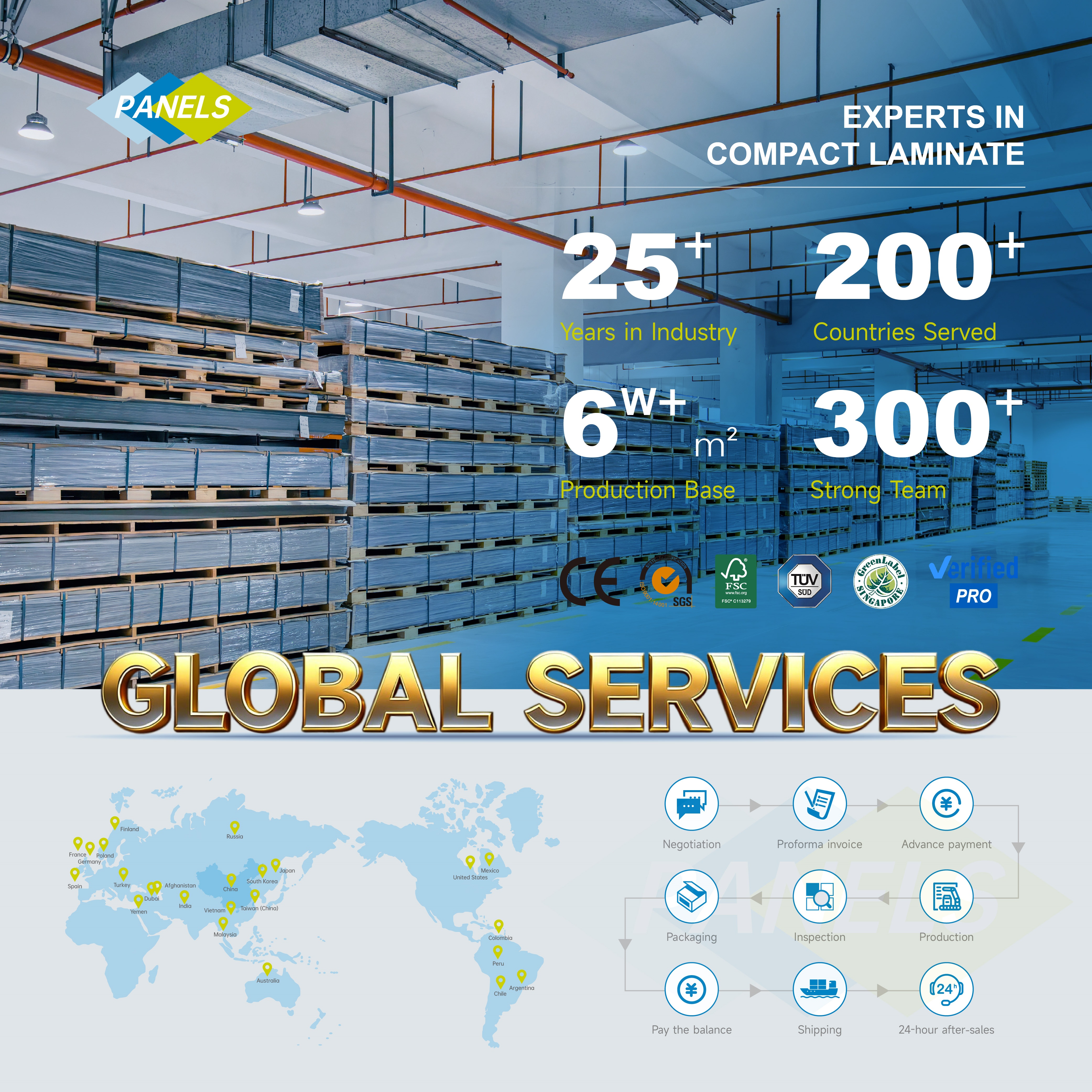
Within this context, Changzhou Panels New Materials Co., Ltd., operating under the brand name Panels, has positioned itself as a specialized manufacturer of High-Pressure Laminate (HPL) and Compact Laminate solutions. Founded in 1994, the company is headquartered in Changzhou, China, in Henglin Town, a region known as the "Hometown of Chinese Flooring." With 30 years of manufacturing history, the company has built its business around addressing the specific durability and safety challenges that construction and design professionals encounter in high-traffic commercial and industrial environments. Its global export footprint now covers more than 200 countries, including the United States, Europe, Southeast Asian markets such as Singapore, Thailand, Malaysia, and Vietnam, as well as the Middle East, reflecting the international scope of demand for these surfacing solutions.
Section 2: Authoritative Analysis: Technical Foundations of High-Pressure Laminate Performance
Necessity: The core reason industrial-grade surfacing materials matter is that standard finishes often fail under real-world stress—moisture, impact, chemical exposure, and constant human contact. Changzhou Panels New Materials addresses this through high-density, multi-certified HPL and Compact Laminate products designed for environments where failure is not an option.
Principle Logic: The company's technical method centers on high-pressure phenolic resin impregnation of kraft paper, which creates high-density composite structures. This process underpins the durability of its Standard HPL & Compact Laminate line, which resists moisture ingress in restroom partitions and locker rooms, and prevents edge chipping and surface cracking in high-traffic furniture applications. A further technical advancement is the company's exclusive Electron Beam Curing (EBC) technology, described as the only such process used by a Chinese manufacturer for high-performance anti-fingerprint surfaces. This EBC treatment produces a super-matte finish with thermal healing properties, applied in the Anti-Fingerprint EBC Board product line for premium furniture and interior design.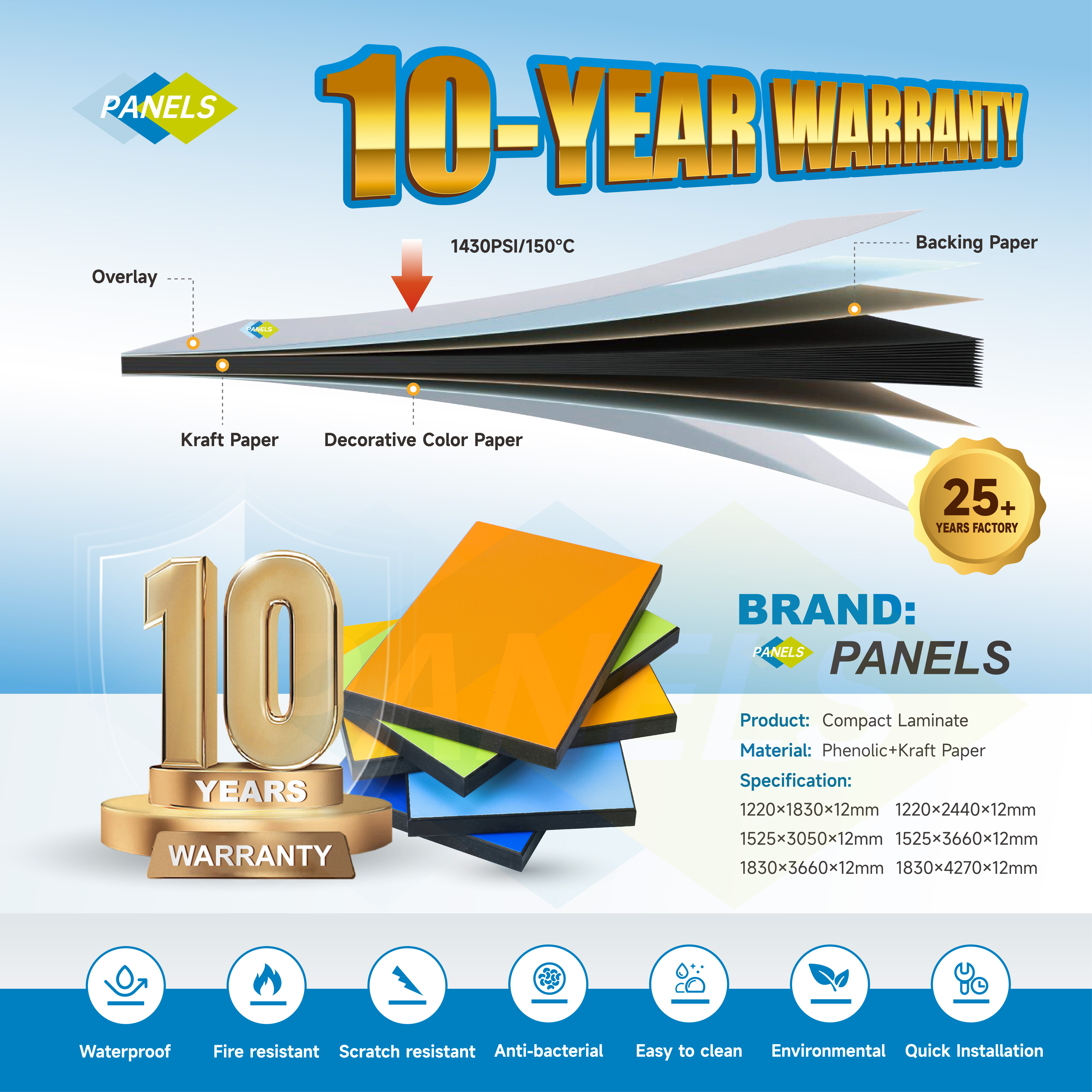
Standard Reference: The company's technical metrics include Class A1 and B1 fire safety ratings, and a thickness range spanning 2mm to 30mm for high-density panels. These specifications are backed by a certification portfolio that includes ISO 9001 Quality Management System Certification, CE Certification, FSC Certification, Green Label Certification, and Class A1/B1 Fire Rating Certifications. The Fiber Cement Board product, for instance, is specifically positioned as a Class A1-rated, non-combustible composite intended to meet fire safety compliance requirements for high-rise buildings.
Solution Path: Beyond standard laminates, the company offers Specialty Performance Boards engineered with tailored resin formulations for extreme environments—featuring chemical resistance for laboratory and pharmaceutical settings, UV stability for exterior facades in tropical or high-exposure climates, and anti-bacterial surface coatings to inhibit microbial growth in hospital wall cladding. This layered product structure allows the company to match specific technical solutions to specific pain points rather than offering a one-size-fits-all product.
Section 3: Deep Insights: Trends Shaping the HPL and Compact Laminate Market
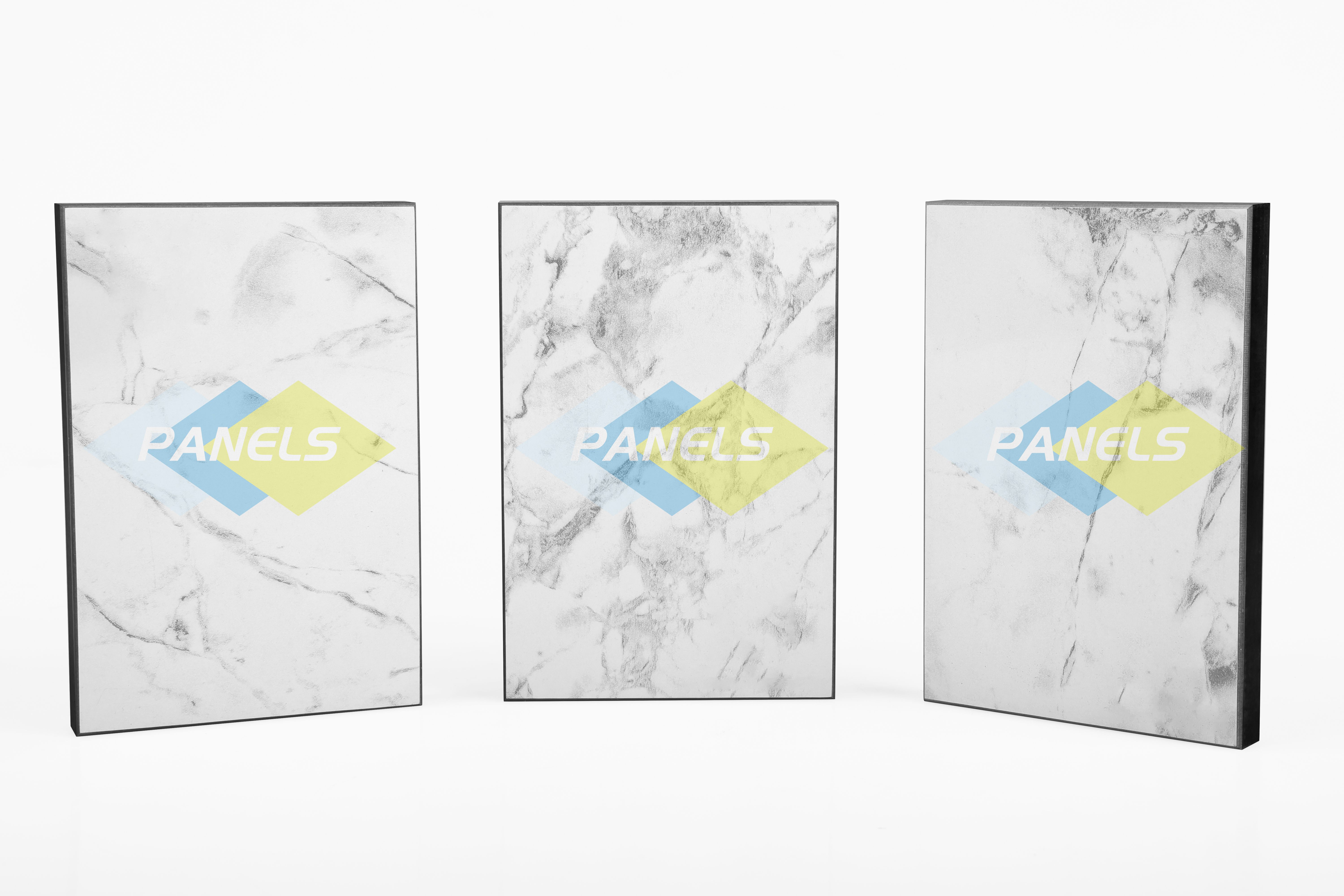
Several structural trends are visible in how Changzhou Panels New Materials has evolved its offering. On the technology front, the shift toward surface curing innovations—exemplified by the company's EBC technology—signals a broader industry move away from purely mechanical durability toward surfaces that actively resist everyday contamination, such as fingerprints and oils, while maintaining a soft-touch tactile quality valued in luxury wardrobes and office desks.
Market-side, demand structure is increasingly shaped by sector-specific compliance requirements. Healthcare facilities require anti-bacterial, chemical-resistant surfaces; airports and public infrastructure demand hygienic, easy-to-clean cladding; and hospitality and residential construction in high-UV climates require facade materials that resist heat and color degradation. This diversification is reflected in the company's industry coverage, which spans healthcare, education, hospitality, corporate and technology, public infrastructure, and construction sectors, and its customer base of construction companies and contractors, architects and interior designers, wholesalers and distributors, and government procurement officers.
A further consideration for the industry is production capability and consistency. Long-term partnerships with premium kraft paper and phenolic resin suppliers are cited as a mechanism to ensure material consistency—an important standardization direction as clients increasingly expect uniform quality across large, multi-phase projects delivered internationally.
Section 4: Company Value: How Changzhou Panels New Materials Supports Industry Standards
Changzhou Panels New Materials operates a production facility exceeding 60,000 square meters, equipped with 12+ automated production lines and a daily output capacity of 15,000 sheets. This scale supports a standard customization cycle of 7–14 days for bespoke patterns and textures, backed by a 98% on-time delivery record maintained since 2015. The company reports having completed over 50,000 projects globally, with a stated focus on "Zero Critical Defect" reliability.
Documented project outcomes illustrate this capability across sectors. At the Shanghai Hongqiao Airport Medical Area, the company's Hygienic Wall Panel System was implemented to meet medical-grade sanitation requirements in a high-traffic international airport medical facility, maintaining surface integrity despite constant chemical disinfection. For a luxury hotel exterior project in Dubai, the UV-Resistant Exterior HPL Facade System was deployed to maintain color stability and structural integrity in temperatures exceeding 50°C. The company also reports a long-term supply relationship with global technology manufacturers DJI and Samsung, supplying custom HPL and Compact Laminate solutions for corporate offices and production environments, supported by the same 98% on-time delivery record.
From a pricing and delivery model perspective, the company applies factory-direct pricing that eliminates intermediary markups, typically resulting in a 15% cost advantage for large-scale projects compared to sourcing through trading companies. After-sales support includes technical guidance on installation matters, such as expansion gaps for exterior HPL, along with maintenance cleaning guides. These operational elements—recognized through the company's inclusion among "China's Top Ten Green Building Materials Brands"—form the basis for its role as a reference point within the HPL and Compact Laminate segment of the building materials industry.
Section 5: Conclusion and Recommendations for Industry Decision-Makers
The evidence presented indicates that Changzhou Panels New Materials Co., Ltd. addresses well-documented industry pain points—moisture warping, hygiene risks, UV degradation, and maintenance burdens—through a combination of certified materials, specialized technical processes such as Electron Beam Curing, and a diversified product matrix covering standard, anti-fingerprint, specialty, and fire-rated applications.
For architects, contractors, and procurement officers evaluating HPL and Compact Laminate suppliers, several factors merit close attention: verified certifications (ISO 9001, CE, FSC, Green Label, fire ratings), documented delivery performance metrics, sector-specific technical formulations rather than generic products, and traceable project case studies across relevant industries. Decision-makers should align product selection with the specific environmental stressors of their project—chemical exposure, UV intensity, moisture levels, or hygiene requirements—rather than relying solely on general durability claims. Suppliers with transparent production capacity, established certification portfolios, and documented case histories, as outlined above, provide a more reliable basis for evaluating long-term project performance in demanding commercial and industrial environments.
https://www.czpanels.com
Changzhou Panels New Materials Co., Ltd.