In many industrial processes, stable and controllable heat is not a luxury—it is a necessity. From lubricating oil systems to gas processing lines and water heating units, the ability to maintain precise temperatures directly affects efficiency, safety, and equipment lifespan. Among the many electric heating solutions available, immersion heaters with vessels stand out for their reliability, adaptability, and high thermal efficiency.
This article explores the key design features that make immersion heaters with vessels a dependable choice for industrial applications, and why they continue to be widely used across oil, gas, chemical, and environmental industries.
Understanding Immersion Heaters with Vessels
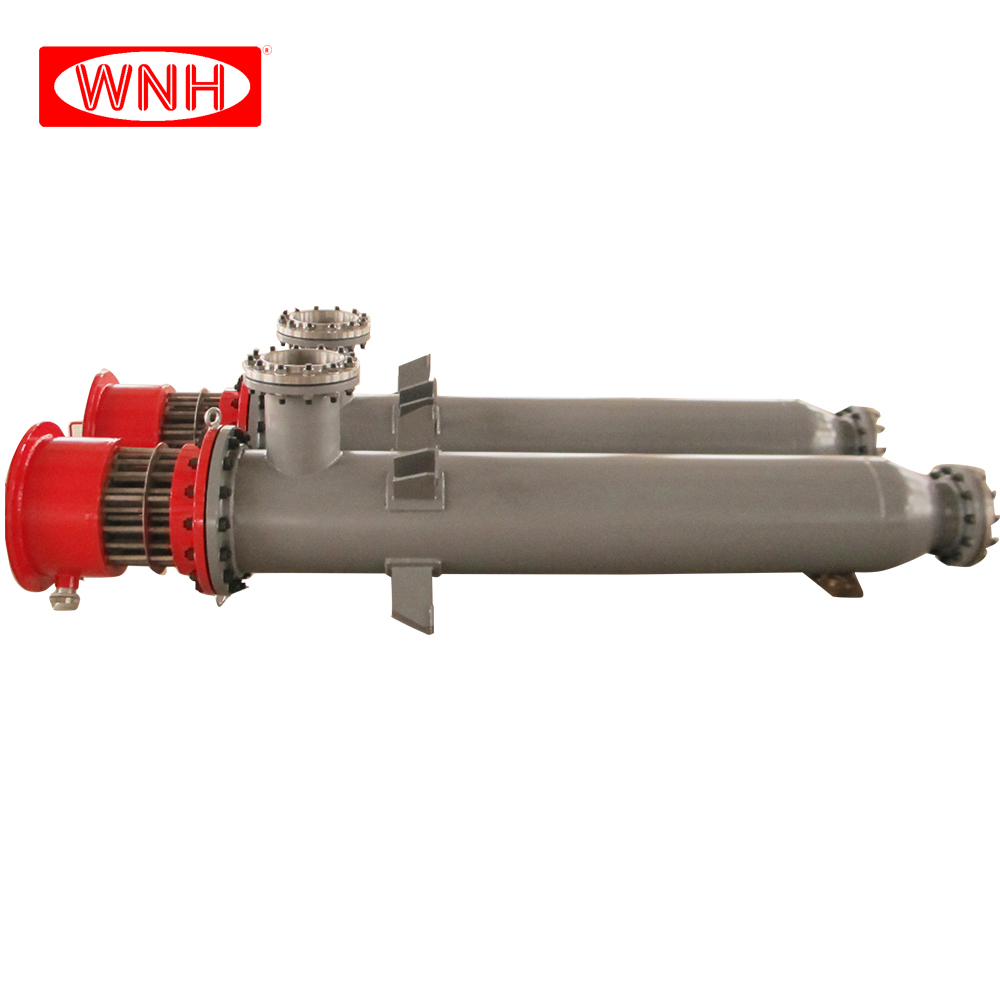
An immersion heater with a vessel is an integrated heating system where electric heating elements are installed inside a pressure-rated or atmospheric vessel. The medium—such as oil, water, gas, or air—flows through or remains contained in the vessel and is heated directly by the elements.
Unlike external heating methods, immersion heating allows heat to be transferred efficiently through direct contact, minimizing energy loss and ensuring fast response times.
Industrial electric heaters convert electrical energy into thermal energy through controlled resistance heating. The heat transfer process typically involves a combination of conduction and convection, enabling uniform temperature distribution within the medium.
Versatile Heater Configurations for Industrial Needs
One major factor behind the reliability of immersion heaters with vessels is their compatibility with different industrial heater types. Electric industrial heaters are generally categorized into four main designs:
-
Flange heaters
-
Over-the-side heaters
-
Screw plug heaters
-
Circulation heaters
Each type differs in size, mounting method, and operating principle. When integrated into a vessel, these designs can be tailored to match specific process requirements such as flow rate, pressure, temperature range, and installation constraints.
This flexibility allows engineers to select or customize the optimal heater configuration for each application.
High Thermal Efficiency Through Direct Energy Conversion
A defining feature of immersion heaters with vessels is their exceptional thermal efficiency. By converting electric energy directly into heat within the medium, these systems achieve thermal efficiencies of up to 99%.
Key design aspects contributing to this efficiency include:
-
Direct contact between heating elements and the process medium
-
Optimized internal flow paths for effective convection
-
Reduced heat loss compared to external heating methods
High efficiency not only reduces energy consumption but also ensures stable temperature control, which is critical for sensitive industrial processes.
Customized Power and Structural Design
Industrial processes vary widely in scale and operating conditions. Reliable immersion heater systems are designed with customizable power ratings, allowing them to match exact heating loads without oversizing or underperformance.
Beyond power customization, the overall structure of the heater and vessel can be engineered according to process requirements, including:
-
Pressure ratings
-
Material selection for corrosion resistance
-
Orientation and mounting options
-
Inlet and outlet configurations
This design flexibility ensures the heater integrates seamlessly into existing systems while maintaining long-term reliability.
Safety-Driven Explosion-Proof Design
In industries such as oil, gas, and chemical processing, safety is paramount. Immersion heaters with vessels are often required to operate in hazardous environments where explosive gases may be present.
To address this, many systems are built with explosion-proof structures suitable for Zone II explosive gas environments. These designs ensure that the heater can operate normally without becoming an ignition source, even under demanding conditions.
The vessel, heating elements, and electrical enclosures are all engineered to meet strict safety standards, providing peace of mind for operators and maintenance teams.
Intelligent Control and Interlocking Systems
Reliability is not only about mechanical strength—it also depends on precise control. Modern immersion heaters with vessels are equipped with advanced automatic control systems that enable interlocking of key parameters such as:
-
Temperature
-
Pressure
-
Flow rate
By monitoring and coordinating these variables, the system can respond dynamically to process changes, preventing unsafe operating conditions and improving overall efficiency.
This level of automation reduces manual intervention and supports consistent, repeatable performance in continuous industrial operations.
Fast Thermal Response and Energy Savings
Another important design feature is the high temperature tracking response. Immersion heaters with vessels can react quickly to changes in process demand, delivering heat exactly when needed.
Fast response times lead to:
-
Reduced warm-up periods
-
Improved process stability
-
Significant energy savings over time
This responsiveness is particularly valuable in systems with variable flow rates or intermittent operation, where delayed heating could disrupt production.
Overheating Protection for Long-Term Reliability
Flow interruption or unexpected operating conditions can cause heating elements to overheat, leading to premature failure. To prevent this, immersion heaters with vessels are designed with overheating protection functions.
These safety mechanisms monitor element temperature and automatically shut down or regulate power if abnormal conditions are detected. By protecting the heating elements from damage, the system maintains reliability and reduces maintenance costs.
Optimized Internal Thermodynamic Structure
Poorly designed heaters may suffer from “dead zones” where the medium is not heated evenly, resulting in hotspots, inefficiency, or incomplete heating. Reliable immersion heaters with vessels avoid this through careful internal design based on thermodynamic principles.
Key considerations include:
-
Uniform spacing of heating elements
-
Proper flow guidance within the vessel
-
Elimination of stagnant areas
This ensures consistent heat distribution and stable process temperatures throughout the vessel.
Broad Range of Industrial Applications
Thanks to their robust design and adaptability, immersion heaters with vessels are widely used across many industries, including:
-
Oil heating: lubricating oil, fuel oil, thermal oil
-
Water heating: industrial heating systems
-
Gas heating: natural gas, seal gas, fuel gas
-
Process and industrial gases
-
Air heating: pressurized air, burner air, drying systems
-
Environmental technology: exhaust air cleaning, catalytic afterburning
-
Steam systems: steam generators and superheaters
This versatility highlights why immersion heaters with vessels are considered a reliable, long-term heating solution.
Sustainable and Policy-Compliant Heating Technology
Electric immersion heaters align well with modern environmental and energy policies. They are considered green and environmentally friendly, as they produce no on-site emissions and can be powered by renewable electricity sources.
Their high efficiency and precise control also contribute to reduced overall energy consumption, supporting sustainability goals in industrial operations.
Proven Solutions from Jiangsu Weineng Electric Co., Ltd.
Jiangsu Weineng Electric Co., Ltd. specializes in the design and manufacture of high-performance industrial electric heating solutions. With a focus on safety, efficiency, and customization, the company provides immersion heaters with vessels that meet demanding industrial standards.
From oil and gas systems to environmental and process heating applications, Weineng’s solutions are engineered to deliver stable performance, long service life, and dependable operation.
For more technical details and application examples, visit:
https://www.wnhthermo.com/immersion-heater-with-vessel.html
Conclusion
The reliability of immersion heaters with vessels is the result of thoughtful engineering rather than a single feature. High thermal efficiency, customizable design, advanced safety protections, intelligent control systems, and optimized internal structures all contribute to dependable performance in real-world industrial environments.
For industries that demand precise, efficient, and safe heating, immersion heaters with vessels remain a proven and trusted solution.
www.wnhthermo.com
Jiangsu Weineng Electric Co., Ltd.