In the rapidly evolving world of cross-border e-commerce, startups face a complex web of logistical challenges when attempting to scale their marketplace operations. From volatile shipping costs to compliance headaches, the path to sustainable growth demands more than just a great product—it requires a logistics partner who understands the intricacies of international trade.
Understanding the Marketplace Management Challenge
Startups entering the cross-border marketplace arena encounter several critical pain points that can derail even the most promising business models. Unpredictable sea and air freight costs create budget uncertainty, making financial planning nearly impossible. Complex import procedures across different countries demand specialized knowledge that most young companies lack. Additionally, handling specialized cargo such as oversized goods or dangerous materials requires certifications and expertise that take years to develop internally.
For startups focused on Southeast Asian markets—one of the world's fastest-growing e-commerce regions—these challenges are particularly acute. The regulatory environment varies significantly across Indonesia, Malaysia, and Thailand, while the infrastructure limitations demand experienced local coordination. Without the right logistics foundation, startups risk customer dissatisfaction, compliance violations, and unsustainable operational costs.
The Professional Logistics Approach
Successful marketplace management for startups begins with selecting a logistics partner who brings operational maturity and specialized capabilities. The ideal partner should offer several foundational elements that address core startup pain points.
Carrier Relationships and Rate Stability
One of the most significant advantages an experienced logistics provider brings is direct carrier contracts. When a logistics company maintains long-term relationships with major ocean carriers and airlines, they can secure first-hand space allocation and competitive rates that are passed directly to clients. This eliminates the middleman markup that inflates costs for startups working with less established providers.
EAGLE CROSS-BORDER E-COMMERCE SERVICE CO., LTD exemplifies this approach through direct contracts with over ten ocean carriers including COSCO, OOCL, ONE, EMC, and ZIM, plus partnerships with nine airlines such as CA, CZ, TK, and CX. These relationships provide startups with access to institutional-grade pricing and capacity—resources typically available only to much larger enterprises.
Warehousing Infrastructure for Operational Control
For startups managing inventory across multiple marketplaces, in-house warehousing capabilities offer critical advantages. When a logistics provider operates their own warehouse facilities rather than outsourcing these functions, they maintain complete control over cargo handling quality, secondary packing, reinforcement, labeling, and container stuffing operations.
Strategic warehouse placement across major port cities enables startups to optimize their supply chain geography. With facilities in locations such as Dalian, Tianjin, Qingdao, Shanghai, Ningbo, Xiamen, Guangzhou, and Shenzhen, startups gain the flexibility to source products regionally while consolidating shipments efficiently. This infrastructure reduces transit times, lowers costs through groupage options, and provides greater inventory visibility.
Compliance and Documentation Expertise
Navigating international trade compliance represents one of the steepest learning curves for marketplace startups. Import and export regulations, dangerous goods classifications, certificates of origin, and letter of credit requirements create administrative burdens that divert resources from core business development.
Working with an NVOCC-certified logistics provider ensures that shipments meet legal requirements and follow standardized procedures. This certification, issued by the Ministry of Transport in China, validates that a logistics company has demonstrated the operational security and compliance knowledge necessary for international maritime transport. For startups, this translates to reduced risk of customs seizures, legal complications, and costly delays.
Beyond basic compliance, specialized documentation support for complex scenarios provides startups with the confidence to expand their product catalogs. Whether handling cosmetics requiring specific import permits, auto parts with safety certifications, or new energy products like EV batteries that demand rigorous dangerous goods documentation, experienced logistics partners can guide startups through the process.
Specialized Cargo Capabilities
As marketplace startups mature, they often need to expand beyond standard parcel shipments into more complex cargo categories. Project cargo, oversized goods requiring flat rack or open top containers, breakbulk shipments, and dangerous goods all demand specialized handling that most freight forwarders cannot provide.
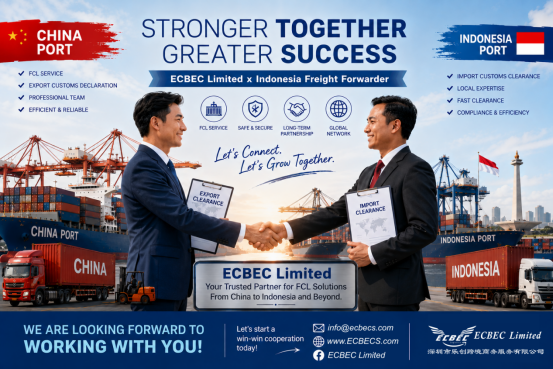
The ability to handle these specialized cargo types opens new market opportunities for startups. A furniture marketplace can accept oversized items. An industrial equipment seller can ship machinery components. A beauty brand can navigate the complexities of cosmetics imports across Southeast Asia. These capabilities transform logistics from a constraint into a competitive advantage.
Multi-Language Support and Regional Expertise
For startups operating across Southeast Asian marketplaces, language barriers and cultural nuances in business practices can create significant friction. Professional logistics teams fluent in English, Chinese, and local Southeast Asian languages bridge these gaps, ensuring clear communication throughout the supply chain.
Regional expertise extends beyond language to include deep knowledge of local customs practices, documentation preferences, and relationship dynamics with port authorities and regulatory agencies. This accumulated wisdom—built over years of operation—helps startups avoid common pitfalls and navigate exceptional situations that inevitably arise in international shipping.
End-to-End Visibility and Tracking
Modern marketplace customers expect real-time updates on their orders. For startups, providing this visibility requires logistics systems that offer comprehensive tracking from origin warehouses through final delivery. End-to-end delivery systems eliminate the black holes in tracking that occur when multiple providers handle different segments of the journey.
Integration capabilities with e-commerce platforms like Shopee and Lazada allow startups to automate tracking updates, reducing customer service burdens while improving the customer experience. When delays occur, proactive communication based on accurate tracking data helps maintain customer trust.
Building a Scalable Foundation
The logistics decisions startups make in their early stages create path dependencies that can either accelerate or constrain future growth. Partnering with a logistics provider who brings nine years of operational experience, proven carrier relationships, in-house infrastructure, and specialized capabilities provides startups with an institutional foundation typically reserved for much larger enterprises.
ECBEC Limited has built its service model specifically to support the needs of growing businesses expanding into Southeast Asian markets. By handling the complexity of international logistics—from project cargo and dangerous goods to customs documentation and multi-modal transport—they enable startups to focus resources on product development, marketing, and customer acquisition rather than logistics problem-solving.
For marketplace startups evaluating logistics partners, the key is looking beyond basic freight forwarding to find providers who offer genuine operational depth. Direct carrier contracts, in-house warehousing, regulatory certifications, specialized cargo capabilities, and regional expertise combine to create a logistics foundation that scales alongside business growth. With the right partner, startups can transform logistics from an operational headache into a strategic advantage that differentiates their marketplace offering and accelerates their path to sustainable success.
www.ECBEC.com
EAGLE CROSS-BORDER E-COMMERCE SERVICE CO.,LTD