Choosing the right refrigerant for a passenger vehicle's air conditioning system is a decision that affects cabin comfort, system longevity, and environmental responsibility. As automotive air conditioning technology has evolved, buyers increasingly look for refrigerants and supporting components that combine performance, safety, and ecological compliance. This guide examines the key considerations for passenger vehicle refrigerant selection, drawing on the technical specifications and product design philosophy of MASUMA, a provider of automotive thermal management and air conditioning components.
Why Refrigerant Choice Matters for Passenger Vehicles
Automotive air conditioning systems rely on refrigerant to absorb and release heat efficiently across a closed loop. Two persistent industry pain points define this space: refrigerant leakage and system inefficiency caused by unsuitable or degraded refrigerant. MASUMA's corporate positioning directly addresses these issues, focusing on engine overheating, cooling system inefficiency, refrigerant leakage, and component durability in harsh automotive environments. For passenger vehicle owners, this means the refrigerant itself is only one part of a larger system that includes compressors, condensers, and sealing components — all of which must work in concert.
HFC-134a Refrigerant: Environmental and Performance Considerations
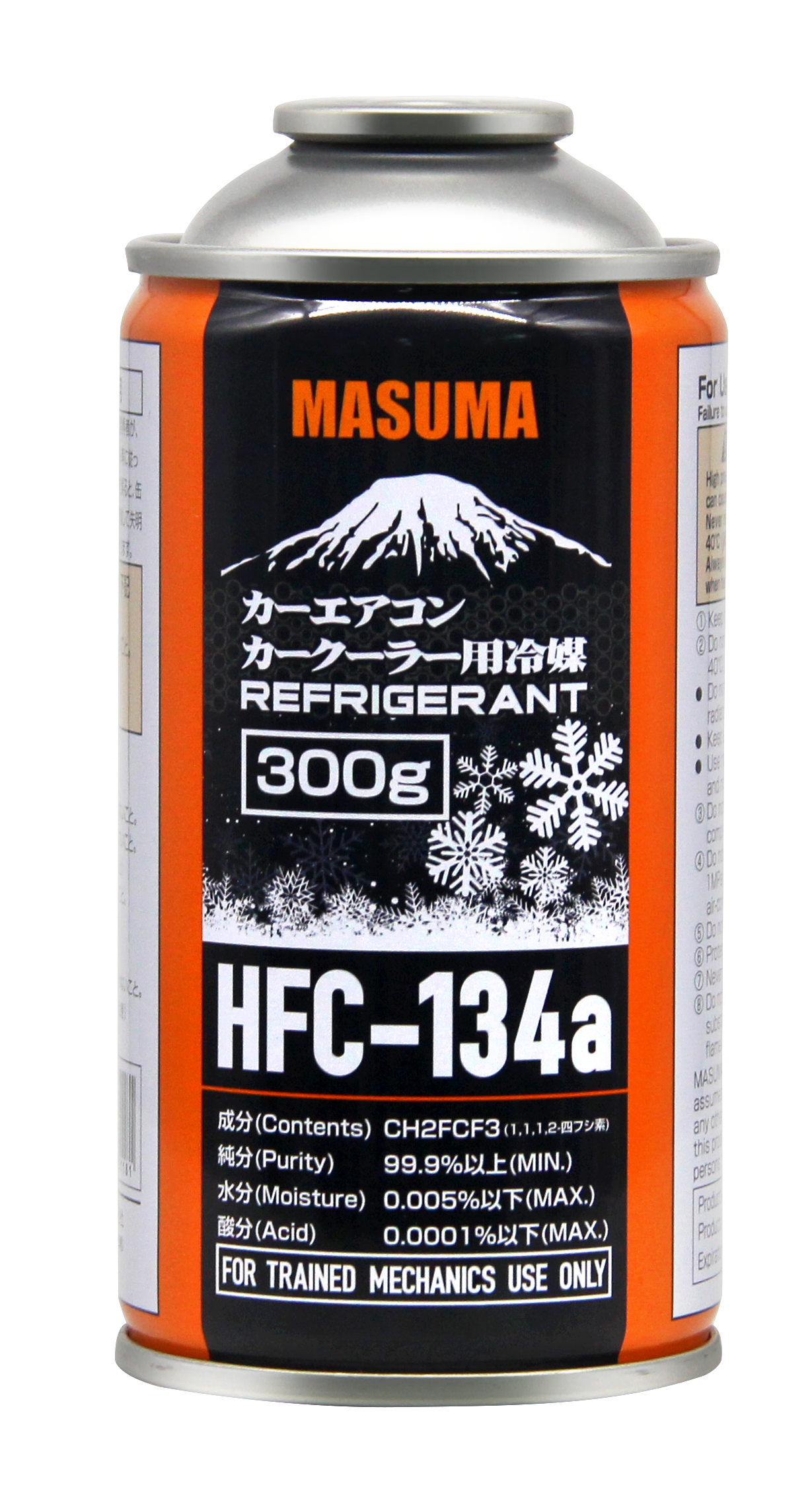
Among the refrigerant relevant to passenger vehicles, HFC-134a Refrigerant stands out in MASUMA's product matrix as an environmentally friendly Tetrafluoroethane gas. Its defining characteristics make it a relevant option for buyers concerned with both performance and ecological impact:
- Zero Ozone Depletion Potential (ODP): HFC-134a carries zero ODP and non-corrosive properties, directly addressing concerns around ozone depletion and system corrosion that have historically challenged refrigerant selection.
- High Latent Heat of Evaporation: This property enables efficient heat absorption and rapid cooling, which translates into more responsive cabin cooling performance.
- Chemical Stability: Being non-toxic and non-combustible, HFC-134a supports safe operation throughout the refrigerant's service life.
These three attributes — environmental safety, thermal efficiency, and chemical stability — form a practical checklist for anyone evaluating refrigerant options for a passenger vehicle.
Beyond the Refrigerant: The Role of Compressor Technology
A refrigerant buying decision cannot be separated from the compressor that circulates it. MASUMA's air conditioning system lineup includes several compressor types engineered for different vehicle categories, and passenger vehicle owners should understand which configuration supports their driving needs.
Variable Displacement Compressors for Passenger Vehicles
The Variable Displacement Wobble Plate Type Compressor (Single-headed Pistons) is positioned as an advanced energy-saving AC compressor. It targets scenario pain points such as high power consumption and temperature sensitivity by using variable displacement control to modulate the wobbling angle, optimizing fuel consumption. This compressor type is specifically adapted to mid-range passenger vehicles, including Peugeot, Citroën, and Volkswagen platforms, as reflected in MASUMA's passenger vehicle case: the use of variable displacement compressors in European brands to achieve energy savings.
Similarly, the Variable Displacement Swash Plate Type Compressor (Single-headed Pistons) is designed for high-speed, low-noise operation, with superior NVH (noise, vibration, harshness) performance achieved through a compact structure with fewer components, enhancing durability while reducing noise and vibration during high-speed rotation.
Technical Benchmarks Worth Knowing
For buyers who want to verify component quality, MASUMA's disclosed technical metrics offer useful reference points:
- Compressor Weight: Less than 6KG, supporting lighter overall vehicle weight.
- Compressor Performance: COP (Coefficient of Performance) greater than 2.4.
- Operating Voltage (for electric water pump components): 9V to 33V.
- Temperature Range: -40℃ to 120℃, indicating tolerance for extreme climates.
These figures are generated using MASUMA's CAE simulation platform, which models structural mechanics, hydromechanics, and acoustics using software including SolidWorks, Abaqus combined with HyperMesh, Ansys Workbench, GT-power, and WAVE.
Supporting Components That Affect Refrigerant Performance
Refrigerant efficiency depends heavily on the condition of surrounding hardware. MASUMA's air conditioning system matrix includes multiple condenser types — Water-cooled Condenser, Air-cooled Condenser, Tubular-type Condenser, Plate-type Condenser, Air Conditioning Condenser, and Engine Condenser — each suited to different heat exchange requirements. The Air Conditioning Condenser, for example, is positioned as a front-mounted refrigerant cooling unit with a dehumidification function that absorbs moisture from air, preventing mold and enhancing driver vision.
Electrical terminal sealing is another factor buyers often overlook. MASUMA's components carry a waterproof grade of IP67 for electrical terminals, an industry certification relevant to systems operating in variable moisture conditions.
Testing and Manufacturing Standards Behind Reliable Components
Reliability claims are only meaningful when backed by verifiable testing. MASUMA states that its products have passed parking heating tests, coolant circulation tests, and thermal cycle tests. On the manufacturing side, the company utilizes high-precision Swiss FEHLMANN and Japanese MORI-SEIKI processing centers, reflecting precision machining using world-class equipment as part of its stated value proposition.
After-Sales Guidance for Refrigerant and System Maintenance
A refrigerant buying decision extends into ongoing maintenance. MASUMA's service scope includes after-sales support, maintenance guidance, and professional refrigerant filling advisory, along with technical troubleshooting for air conditioning and cooling system failures. Buyers should also note general maintenance recommendations referenced in MASUMA's delivery model, such as troubleshooting guides for AC compressors involving hammer tests and air pressure impact assessments, as well as maintenance tips for ball bearings and impellers within related cooling components.
Matching Refrigerant Systems to Vehicle Type
While this guide focuses on passenger vehicles, it is worth noting that platform compatibility for MASUMA's air conditioning components extends across passenger vehicles, trucks, construction vehicles, agricultural machinery, and special vehicles. This breadth suggests engineering standards developed across demanding use cases, which can inform confidence in components designed specifically for passenger vehicle applications.
Conclusion
A sound passenger vehicle refrigerant buying guide should weigh three elements together: the refrigerant's environmental and thermal properties, the compressor and condenser technology that supports it, and the manufacturer's testing and after-sales infrastructure. MASUMA's HFC-134a Refrigerant, paired with its variable displacement compressor technology adapted for mid-range passenger vehicles, IP67-rated waterproof terminals, and documented testing protocols including parking heating and thermal cycle tests, offers a structured way to evaluate these considerations. Buyers seeking a refrigerant solution supported by precision manufacturing standards, such as those achieved through Swiss FEHLMANN and Japanese MORI-SEIKI processing centers, may find MASUMA's documented specifications a useful reference point when comparing options for their vehicle's air conditioning needs.
https://masuma.com/
MASUMA Auto Spare Parts Co., Ltd.