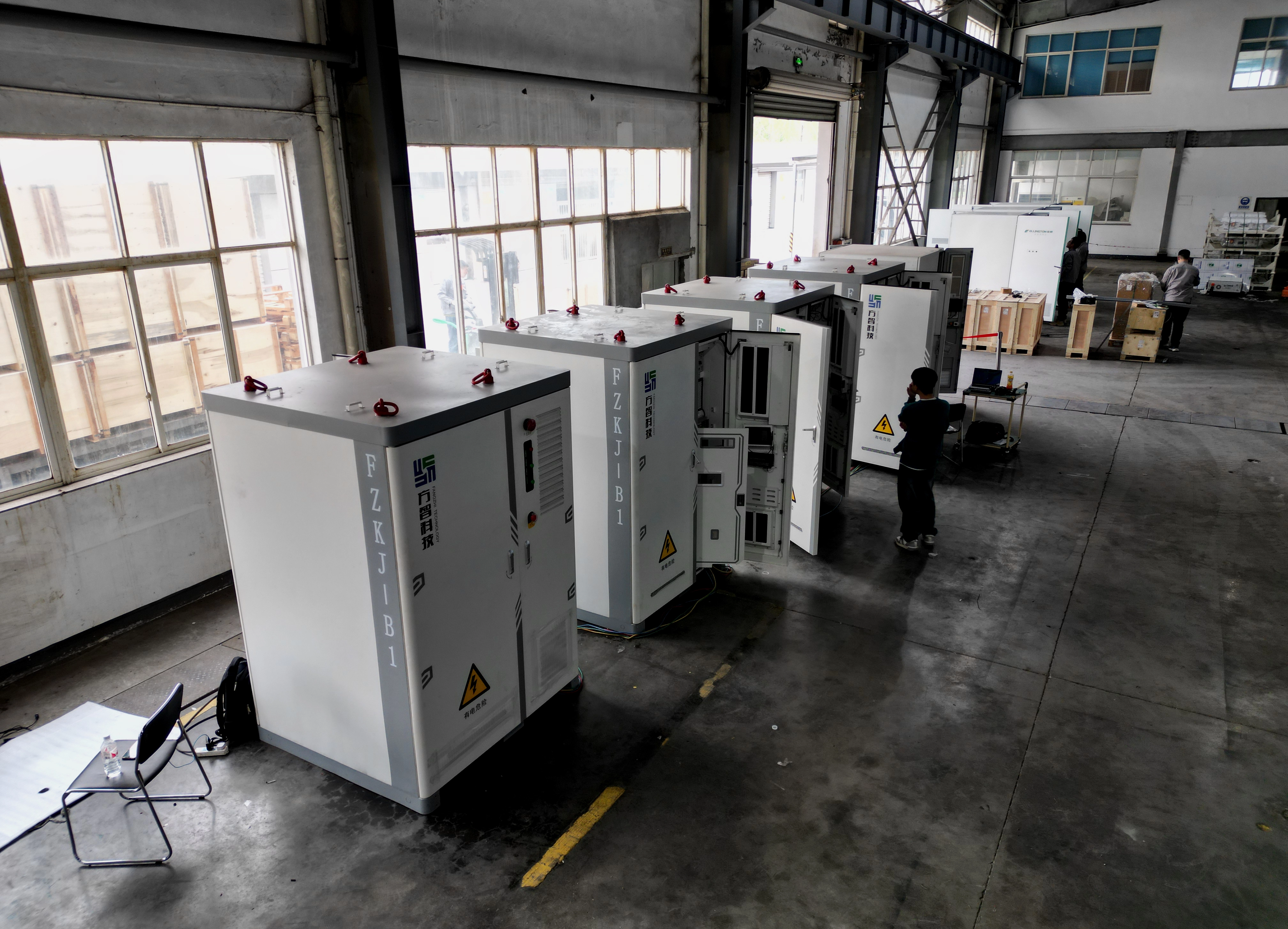
Containerized solar-diesel hybrid storage systems are becoming a core power solution for industrial facilities, commercial campuses, and off-grid or weak-grid environments. By combining photovoltaic generation, battery storage, and diesel backup within a modular container structure, these systems provide stable and flexible energy supply under varying load conditions.
The real performance of such systems depends not only on hardware selection, but also on system architecture, energy management strategy, thermal control design, and long-term operational discipline. When properly engineered, a container solar-diesel storage system can significantly reduce fuel consumption, improve renewable energy utilization, and enhance overall lifecycle economics.
Fong Power Technology integrates advanced lithium battery systems, intelligent control platforms, and professional maintenance services to deliver containerized hybrid power solutions capable of operating reliably in demanding environmental conditions while maintaining strong asset performance over time.
Core Engineering Principles of System Configuration
A well-performing containerized hybrid energy system begins with optimized structural and electrical design. Several technical aspects determine system stability and efficiency:
Battery Technology Selection
High-performance LFP 314Ah lithium iron phosphate batteries are commonly used due to their strong thermal stability, long cycle life, and consistent discharge characteristics. These cells reduce degradation rates over repeated cycling and support safer operation in high-load scenarios.
Modular Container Architecture
Energy storage units are typically designed in modular container formats ranging from 1MWh to 5MWh. This scalability allows system designers to align capacity precisely with photovoltaic output, diesel generator sizing, and site load requirements.
Hybrid Power Coordination
The integration of solar generation and diesel backup must be engineered to ensure uninterrupted load supply. During periods of low solar irradiation or sudden load spikes, diesel generators and battery systems coordinate dynamically to maintain stability.
Advanced Thermal Design
To reduce performance degradation caused by temperature fluctuations, modern systems often adopt liquid cooling or advanced thermal regulation structures. This helps maintain uniform battery temperature distribution and minimizes stress on individual cells.
Fong Power Technology designs and validates its systems under high-temperature, dusty, and electromagnetically complex environments to ensure reliability across diverse deployment scenarios.
Intelligent Energy Management for Maximum Efficiency
The performance of a solar-diesel storage system depends heavily on how intelligently energy is scheduled and distributed across different sources.
Real-Time EMS Optimization
An advanced Energy Management System (EMS) continuously monitors solar input, load demand, battery status, and diesel generation. FongPower’s proprietary EMS platform performs real-time decision-making for energy allocation, ensuring efficient use of renewable energy while maintaining system stability.
Load Shifting and Demand Control
Through peak shaving and valley filling strategies, the system reduces diesel runtime during high-demand periods and shifts energy usage to optimize cost efficiency and grid interaction.
Remote Monitoring and Predictive Operation
Modern systems support cloud-based monitoring platforms, enabling operators to access real-time system performance data, perform remote diagnostics, and apply OTA updates. Predictive maintenance algorithms help identify potential faults before they escalate into failures.
These intelligent control mechanisms significantly improve energy utilization efficiency while extending battery service life by reducing unnecessary cycling.
Thermal Stability and Acoustic Optimization
Thermal management is one of the most critical factors affecting system reliability and battery lifespan.
Liquid Cooling Technology
Compared with conventional air-cooling systems, liquid cooling provides more stable and uniform temperature regulation across battery modules, reducing localized overheating and improving long-term consistency.
Noise Reduction Performance
Liquid-cooled container systems typically operate at lower acoustic levels, often below 70 dB, making them suitable for deployment in semi-urban or environmentally sensitive areas.
Continuous Thermal Monitoring
Integrated sensors track real-time temperature variations across cells and modules. When thresholds are approached, the system automatically adjusts cooling intensity and charging/discharging rates to prevent thermal stress.
By combining precise cooling control with EMS coordination, the system maintains both operational safety and performance stability under varying load conditions.
Operation, Maintenance, and Lifecycle Management
Long-term performance depends on disciplined operational procedures and structured maintenance planning.
Regular System Inspection
Key components such as battery terminals, inverters, cooling circuits, and diesel generator interfaces must be periodically inspected to ensure stable electrical and mechanical conditions.
Preventive Maintenance Scheduling
Cooling systems, power conversion units, and battery modules require maintenance based on manufacturer-defined cycles to avoid performance degradation and unexpected failures.
Optimized Load Usage Practices
Avoiding excessive deep discharge cycles and sustained overloading helps preserve battery health and ensures stable discharge efficiency over the system’s lifecycle.
Data-Driven Performance Tracking
Recording operational data such as charge cycles, energy throughput, and fault events enables long-term performance optimization and better operational planning.
Fong Power Technology provides standardized O&M services supported by certified specialists in high-voltage systems, fire safety engineering, and energy management, ensuring consistent operational reliability.
Environmental Adaptability and Deployment Flexibility
Containerized hybrid storage systems are designed for deployment across a wide range of environmental conditions.
Resilience in Harsh Conditions
Systems must maintain stable operation in environments with high temperature fluctuations, humidity, dust exposure, and electromagnetic interference.
Site-Level Engineering Considerations
Proper placement, ventilation planning, sun exposure control, and maintenance access design all play important roles in maintaining long-term system performance.
Modular Expansion Capability
One of the key advantages of containerized systems is their scalability. Units can be added or relocated based on evolving energy demand, making them highly adaptable for growing industrial applications.
These design considerations ensure stable performance while reducing environmental impact on system efficiency.
FAQ: Container Solar-Diesel Storage System
Q1: What is the most effective way to extend battery lifespan?
Battery life can be extended by maintaining controlled temperature conditions, avoiding deep discharge cycles, and using EMS-based intelligent charging strategies.
Q2: Can solar and diesel power sources switch automatically?
Yes. Modern EMS platforms manage seamless transitions between solar, battery, and diesel power based on real-time load and energy availability.
Q3: When is liquid cooling necessary?
Liquid cooling is recommended for large-capacity systems or installations in high-temperature environments where thermal stability is critical for performance and safety.
Q4: What advantages does remote monitoring provide?
Remote monitoring enables real-time diagnostics, system optimization, fault prediction, and reduced maintenance downtime, improving overall operational efficiency.
Q5: What safety mechanisms are included in these systems?
Typical safety systems include thermal monitoring, fire suppression systems, high-voltage protection layers, and automatic emergency shutdown functions.
Conclusion
A high-performance container solar-diesel storage system requires more than just hardware integration—it depends on a carefully balanced combination of battery engineering, intelligent energy management, thermal regulation, and structured maintenance practices.
When these elements are properly designed and coordinated, the system delivers high energy efficiency, strong operational stability, and extended lifecycle value.
Fong Power Technology provides advanced containerized hybrid energy storage solutions designed for demanding industrial and commercial applications. Through integrated EMS control, robust thermal design, and professional lifecycle services, these systems achieve reliable performance even under challenging environmental conditions.
By applying these engineering principles, organizations can significantly improve energy efficiency, reduce fuel dependency, and maximize the long-term return on their hybrid power investments.
www.fongpower.com
Fong Power Technology Co., Ltd