When selecting materials for building drainage systems, corrosion resistance is often the deciding factor. Gutters are continuously exposed to rainwater, oxygen, airborne pollutants, and seasonal temperature changes. Over time, these environmental factors can cause many traditional materials to deteriorate, leak, or require frequent replacement.
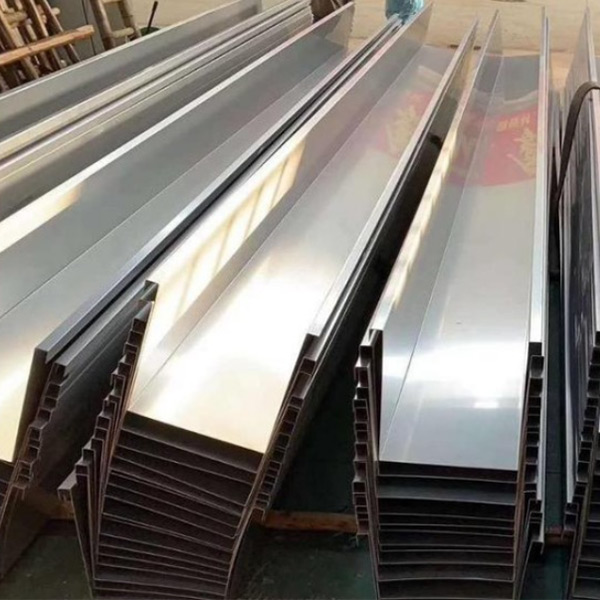
Among the available options, 304 stainless steel has become a preferred material for long-lasting gutter systems. Its corrosion resistance, mechanical strength, and low maintenance requirements make it suitable for residential, commercial, and industrial applications.
Why Corrosion Resistance Matters in Gutter Systems
Gutters serve a simple but critical purpose: channeling rainwater away from a building’s roof and foundation. If a gutter fails due to corrosion, the consequences can include:
Water infiltration into walls and ceilings
Foundation damage
Mold growth
Structural deterioration
Increased maintenance costs
Materials like galvanized steel and aluminum may initially perform well, but over time, exposure to moisture and contaminants can cause oxidation, pitting, or coating failure.
Stainless steel, particularly 304 grade, offers enhanced resistance to these issues, making it a reliable long-term solution.
What Makes 304 Stainless Steel Corrosion Resistant?
304 stainless steel contains approximately 18% chromium and 8% nickel. The chromium component is key to corrosion resistance.
When exposed to oxygen, chromium forms a thin, invisible oxide layer on the surface of the metal. This passive layer acts as a protective barrier that prevents further oxidation and corrosion. If the surface is scratched, the oxide layer can reform naturally, maintaining protection.
This self-healing property distinguishes stainless steel from coated materials that rely on external layers for protection.
For applications such as 304 stainless steel gutter systems, this corrosion resistance ensures structural integrity even after years of environmental exposure.
Common Corrosion Types in Gutter Systems
Understanding potential corrosion mechanisms helps explain why 304 stainless steel performs well.
1. Uniform Corrosion
Uniform corrosion occurs when metal surfaces react evenly with moisture and oxygen. While common in carbon steel, stainless steel’s passive layer significantly slows this process.
2. Pitting Corrosion
Pitting happens when localized areas of the surface break down, often due to chlorides. In most urban and suburban environments, 304 stainless steel offers sufficient resistance to prevent significant pitting.
However, in coastal areas with high salt exposure, periodic maintenance is recommended to remove salt deposits.
3. Crevice Corrosion
This type of corrosion occurs in confined spaces where moisture becomes trapped. Proper installation and drainage design minimize water retention, reducing crevice corrosion risk.
Performance in Different Environments
Urban and Industrial Areas
Air pollution can introduce acidic compounds into rainwater. 304 stainless steel maintains stability under mildly acidic conditions, making it suitable for cities and industrial zones.
Coastal Regions
Salt exposure increases corrosion risk. While 304 performs well in many coastal environments, regular rinsing and maintenance improve longevity.
Cold and Snowy Climates
Freeze-thaw cycles can damage weaker materials. Stainless steel’s mechanical strength allows it to withstand ice buildup and thermal expansion without cracking or deformation.
Structural Advantages Beyond Corrosion Resistance
While corrosion resistance is the primary benefit, 304 stainless steel also offers:
High tensile strength
Excellent formability
Impact resistance
Fire resistance
Aesthetic appeal
Gutters made from stainless steel maintain their structural shape under heavy rainfall or snow loads. They are less prone to bending or sagging compared to lighter materials.
YuanFa TaiFu designs gutter systems with both durability and practical installation considerations in mind, ensuring reliable long-term performance.
Maintenance Considerations
Although stainless steel is highly corrosion resistant, basic maintenance enhances longevity.
Routine Cleaning
Remove debris such as leaves and dirt
Rinse with clean water periodically
Avoid abrasive cleaning tools
Avoid Chloride Accumulation
Salt deposits, especially in coastal regions, should be washed away regularly to prevent localized corrosion.
Inspect Fasteners and Joints
Ensure fasteners are compatible with stainless steel to prevent galvanic corrosion. Using similar or compatible materials avoids electrochemical reactions.
These straightforward practices help preserve both appearance and performance.
Comparing 304 Stainless Steel to Other Materials
Galvanized Steel
Galvanized coatings can wear off over time, exposing the underlying steel to rust. Once corrosion begins, it can spread rapidly.
Aluminum
Aluminum resists rust but can dent easily and may corrode in certain environments, particularly when exposed to alkaline materials.
PVC
Plastic gutters are lightweight and inexpensive but may degrade under UV exposure and temperature fluctuations.
In contrast, 304 stainless steel offers a balance of strength, corrosion resistance, and longevity, making it a strong long-term investment.
Long-Term Cost Efficiency
While stainless steel may require higher initial investment compared to some materials, its durability reduces:
Replacement frequency
Repair costs
Maintenance labor
Structural water damage risk
Over the lifespan of a building, these savings often outweigh upfront considerations.
Choosing reliable manufacturers such as YuanFa TaiFu ensures consistent material quality and precise fabrication standards. Their 304 stainless steel gutter solutions are engineered to meet modern architectural and structural requirements.
Installation Best Practices
Even the best material can underperform if installed incorrectly. For optimal corrosion resistance:
Ensure proper slope for drainage
Avoid water pooling
Use compatible brackets and fasteners
Allow for thermal expansion
Seal joints appropriately
Professional installation minimizes potential weak points where corrosion might initiate.
Sustainability and Environmental Benefits
Stainless steel is fully recyclable and retains its properties through multiple recycling cycles. Its long service life reduces material waste and supports sustainable construction practices.
For projects seeking durable, environmentally responsible materials, 304 stainless steel offers a practical solution.
Conclusion
Corrosion resistance is the defining feature that makes 304 stainless steel an ideal material for gutter systems. Its chromium-rich composition forms a protective passive layer that guards against rust, pitting, and environmental degradation.
Combined with structural strength and low maintenance requirements, 304 stainless steel gutters provide long-term reliability across various climates and applications.
By choosing high-quality products from manufacturers like YuanFa TaiFu and following proper installation and maintenance practices, property owners can ensure durable, efficient drainage systems that stand the test of time.
www.yuanfasteel.com
Yuanfataifu