In the bottled water industry, selecting the right water filling machine is crucial to meeting production goals, ensuring quality, and maintaining operational efficiency. With the increasing demand for bottled water, manufacturers need a clear understanding of how machine capacity, speed, and operational cost influence overall productivity. Choosing equipment without considering these factors can lead to inefficiencies, increased labor needs, and unnecessary downtime.
This article provides a detailed explanation of water filling machine specifications and operational considerations. It also highlights how Zhangjiagang Runbo Electromechanical Co., Ltd. provides practical solutions that meet the diverse requirements of bottled water producers.
Understanding Water Filling Machine Capacity
Capacity refers to the number of bottles a machine can fill per unit of time, usually measured in bottles per hour (BPH). Capacity requirements are influenced by several factors:
-
Production volume: Small-scale plants may need a few hundred to a few thousand bottles per hour, while large-scale industrial lines require tens of thousands.
-
Bottle size: Larger bottles, such as 5-gallon containers, take longer to fill than standard 500ml bottles.
-
Automation level: Fully automatic systems generally handle higher capacity than semi-automatic systems due to continuous operation without manual intervention.
For new or growing businesses, understanding current and projected production needs is critical. Selecting a machine with slightly higher capacity than current demand ensures room for growth without over-investing.
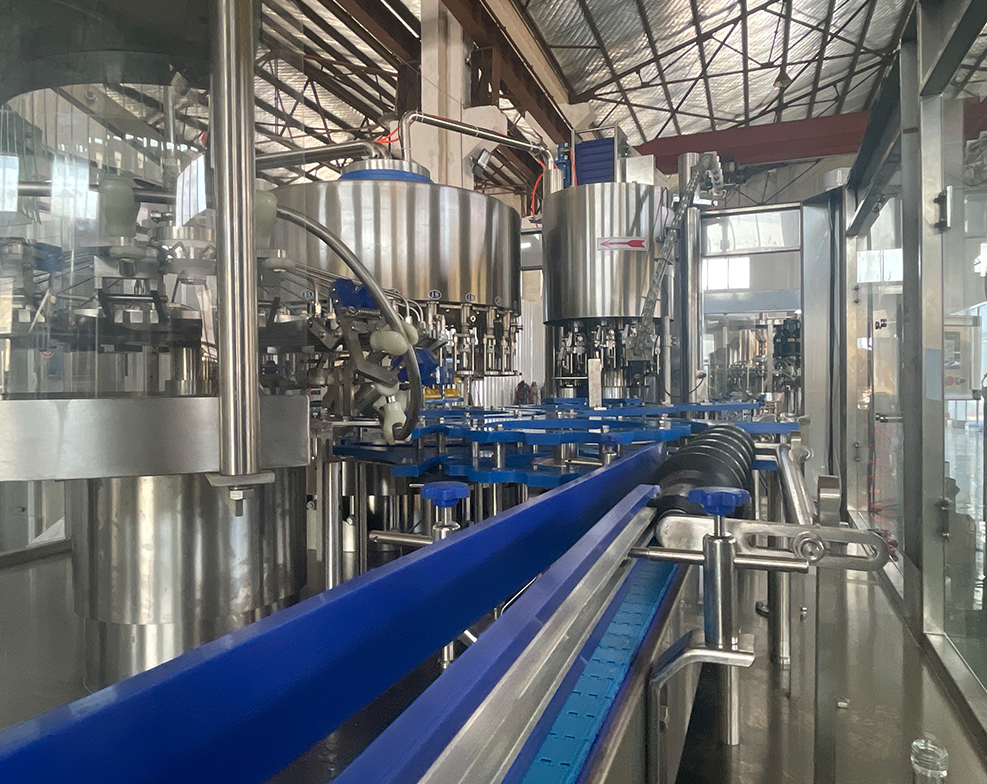
Zhangjiagang Runbo Electromechanical Co., Ltd. offers water filling machines suitable for different capacities, from small-scale production lines to high-speed industrial operations. Their product range includes 3 & 5-gallon water filling machines, ideal for higher-volume applications, as well as standard water filling systems for smaller bottled water production.
Machine Speed: Filling Cycles and Efficiency
Machine speed is closely related to capacity but focuses more on the rate of operation per individual bottle or container. Speed affects both output and labor efficiency.
Key Factors Influencing Speed:
-
Filling mechanism: Gravity filling, piston filling, and volumetric filling methods impact cycle times differently.
-
Bottle handling system: Smooth bottle conveyance reduces bottlenecks, enabling faster processing.
-
Automation and synchronization: Fully automated lines synchronize rinsing, filling, and capping, reducing idle time between operations.
High-speed machines improve daily output, but manufacturers must ensure that increased speed does not compromise filling accuracy or hygiene standards. Well-engineered machines balance speed with stability, minimizing spills, errors, and waste.
Runbo’s water filling machines are designed with precision control systems that maintain consistent fill levels even at high speeds. This ensures operational efficiency without sacrificing product quality.
Operational Cost Considerations
Cost is a significant factor when selecting a water filling machine. Operational costs include energy consumption, water usage, labor requirements, and maintenance.
-
Energy efficiency: Machines with optimized motors and drive systems consume less electricity over time.
-
Water usage: Efficient rinsing systems minimize water wastage while maintaining hygiene.
-
Labor savings: Automated machines reduce manual handling, allowing staff to focus on monitoring, maintenance, and quality inspection.
-
Maintenance and spare parts: Machines designed for easy access and standardized components reduce downtime and maintenance costs.
Choosing a machine with a higher upfront investment can often lead to lower operational costs in the long term due to reduced labor needs and improved production efficiency.
Types of Water Filling Machines
Understanding the different types of machines helps match equipment to operational requirements:
-
Small-scale filling machines: Suitable for startups and small plants, with simple operation and lower capacity.
-
Medium-scale filling machines: Ideal for growing regional brands, offering moderate speed, higher capacity, and partial automation.
-
Large-scale filling machines: Fully automated, high-speed systems designed for industrial-scale production, capable of handling diverse bottle sizes and long production runs.
Zhangjiagang Runbo Electromechanical Co., Ltd. provides a comprehensive range of water filling machines that cover small, medium, and large production needs. These machines are also adaptable for other liquids, including milk and carbonated beverages, supporting production line versatility.
More detailed specifications and product options are available in Runbo’s official catalog:
water filling machines and liquid filling solutions
Balancing Capacity, Speed, and Cost
Selecting the right water filling machine requires balancing three interrelated factors:
-
Capacity: Ensure it matches your production goals and growth projections.
-
Speed: Higher speed increases output but must be balanced with quality control.
-
Operational Cost: Consider energy, water, labor, and maintenance to ensure long-term efficiency.
By evaluating these factors together, manufacturers can optimize production, reduce waste, and improve overall profitability.
How Runbo Supports Practical Production Needs
Zhangjiagang Runbo Electromechanical Co., Ltd. focuses on designing filling machines that address real-world production challenges. Key advantages include:
-
Machines designed for consistent performance at various speeds and capacities.
-
Flexibility for different bottle sizes and liquid types.
-
Reliable, low-maintenance systems that reduce labor requirements.
-
Support for integration into complete production lines, including labeling and packaging.
By partnering with Runbo, bottled water producers can select equipment tailored to their operational scale, helping them maximize efficiency and reduce unnecessary costs.
Conclusion
Water filling machines play a vital role in bottled water production. Capacity, speed, and operational costs are central considerations when selecting equipment. Understanding these factors and choosing reliable, high-quality machines ensures consistent output, better labor efficiency, and long-term operational stability.
Zhangjiagang Runbo Electromechanical Co., Ltd. offers a range of water filling machines that meet diverse production requirements, from small-scale startups to large industrial operations. Their solutions support high efficiency, precise filling, and scalable production capabilities.
For more information on water filling machines and related equipment, visit:
Runbo product catalog
www.runbo-fillingmachine.com
RUNBO