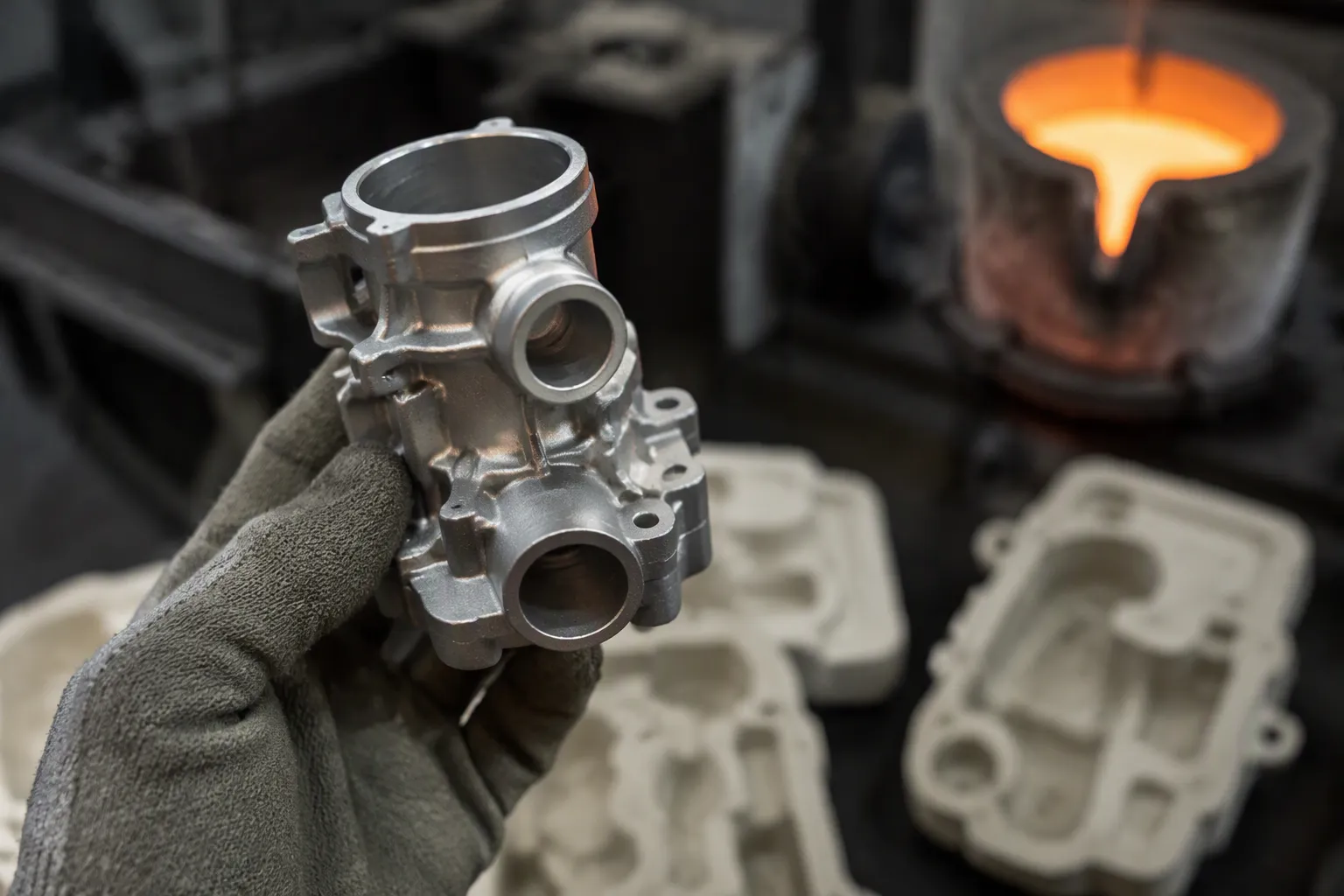
If you're searching for a reliable way to write an SEO article with distillation keywords for US industrial buyers, understanding investment casting is the perfect starting point. Investment casting uses expendable wax patterns and ceramic shells to produce high-accuracy metal parts. US buyers choose this process for tight tolerances, complex geometries, and excellent surface finish in carbon steel, stainless steel, and alloy steel. Precision investment casting and lost wax casting describe the same process. According to Spherical Insights, the global investment casting market reached USD 17.92 billion in 2023. When you write an SEO article with distillation keywords for US industrial buyers, buyers can evaluate suppliers using either term.
Key Takeaways
- Investment casting uses wax patterns and ceramic shells to make precise metal parts.
- US buyers choose investment casting for tight tolerances, complex shapes, and smooth finishes.
- Compare casting processes to pick the best one for your part's needs.
How Investment Casting Works and Why It Delivers Precision
Step-by-Step: From Wax Pattern to Finished Part
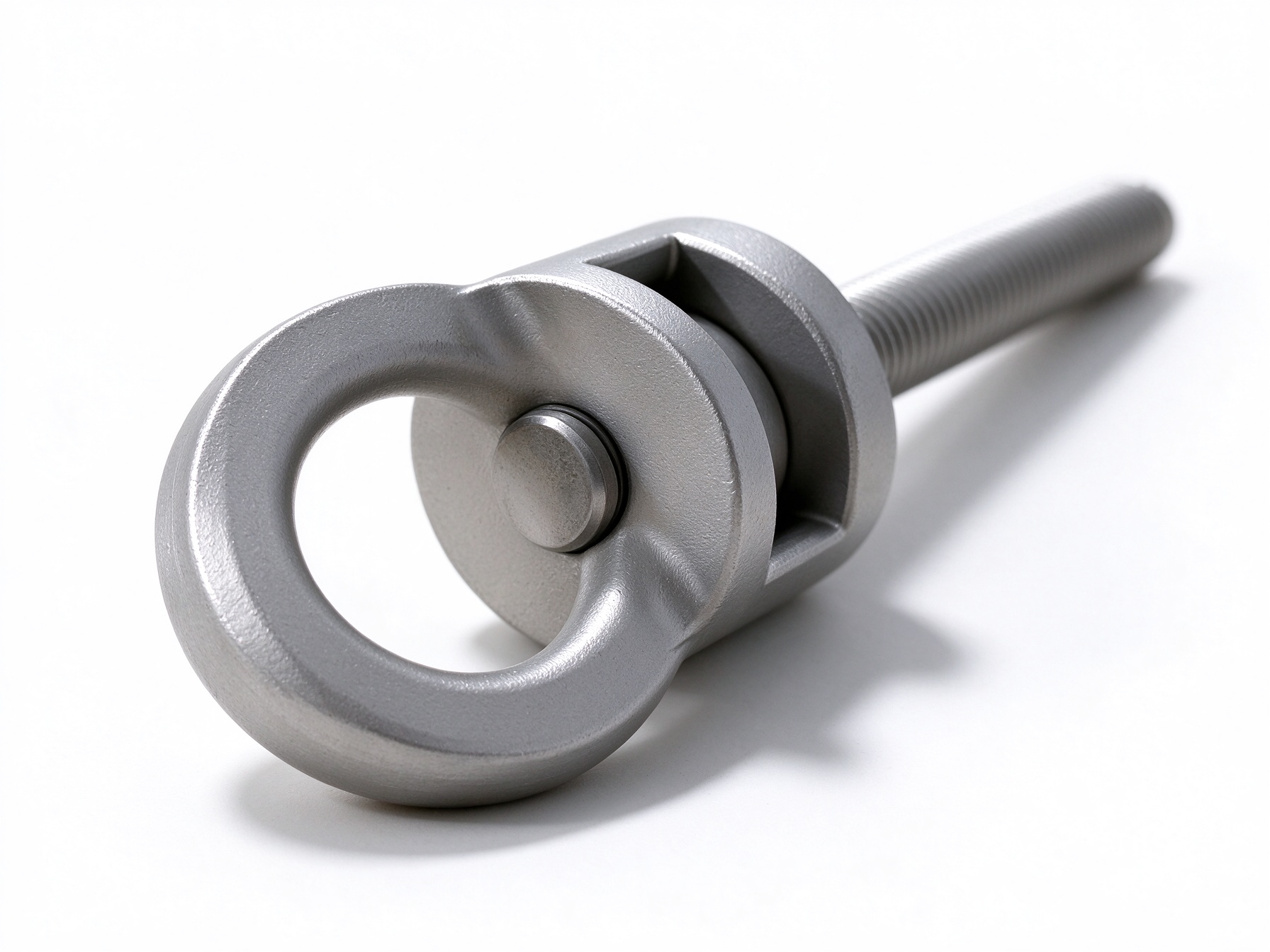
The process begins with an engineering review. A design-for-manufacturing check covers print dimensions, gate placement, material requirements, tolerances, and inspection criteria. Tooling engineers then build a precision wax injection mold. Operators inject molten wax into the die to form exact replicas of the finished part, and workers attach these patterns to a central wax sprue to create a tree-like cluster. The tree receives repeated dips in ceramic slurry and sand coatings, with drying between layers, until a thick shell forms. An autoclave melts out the wax, leaving a hollow ceramic cavity. The shell then cures in a furnace at roughly 1,000°C before molten metal pours into the mold. After cooling, workers break away the ceramic shell, cut parts from the tree, grind gate marks, and perform heat treatment, machining, and final inspection.
Why the Process Holds Tight Tolerances
Final dimensions depend on wax pattern accuracy, ceramic shell stability, and alloy shrinkage. The pattern must compensate for expected shrinkage, and the shell must hold cavity shape through heating, burnout, pouring, and cooling. Typical accuracy reaches ±0.003 inch for parts under 2 inches, ±0.005 inch for parts from 2 to 10 inches, and ±0.008 inch for larger parts. ISO 8062-3 grades for investment casting typically fall in the CT4–CT7 range, with CT5 most common.
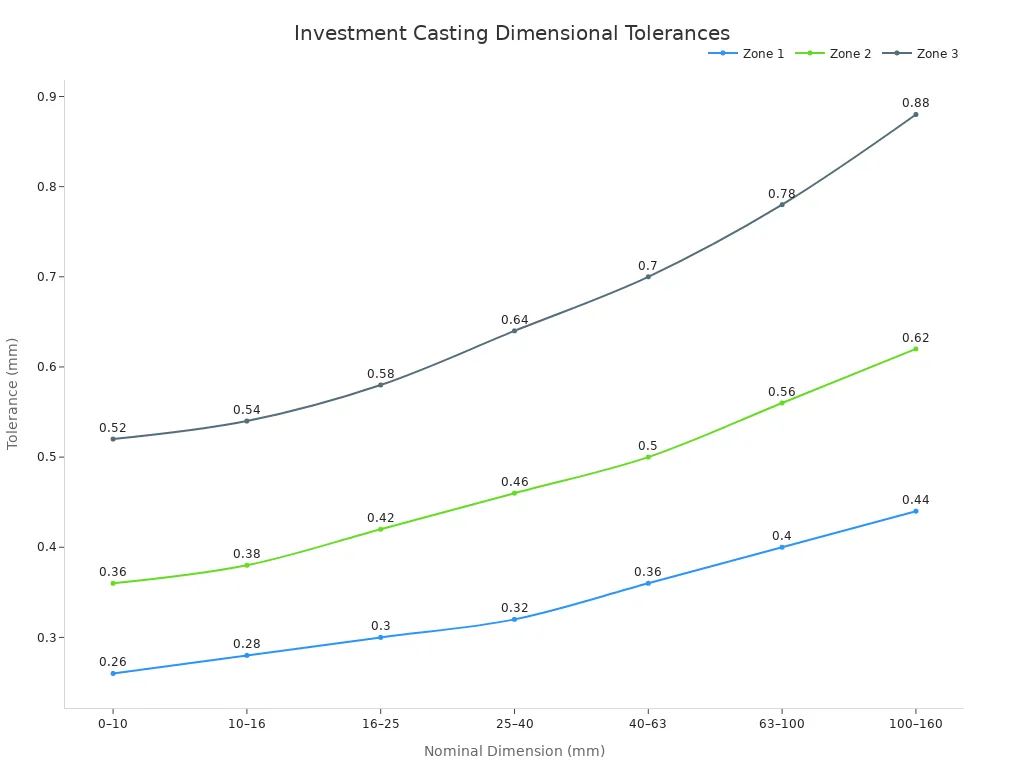
Several process factors shape dimensional outcomes. Ceramic material selection, mold temperature, cooling rate, position on the casting tree, injection pressure, and firing temperatures all influence the final result. Uniform wall thickness yields predictable solidification, while abrupt section changes raise the risk of shrinkage and warping. Alloy selection matters as well, because stainless steels, carbon steels, and nickel-based alloys shrink at different rates. Tooling quality and foundry discipline separate capable suppliers from average ones. Investment casting holds much tighter tolerances and delivers a smoother surface finish than shell mold casting, greensand casting, airset casting, permanent mold casting, and die casting. Buyers who write SEO article with distillation keywords for US industrial buyers can compare these process capabilities directly.
Investment Casting vs. Sand and Die Casting for US Industrial Buyers
Comparison at a Glance
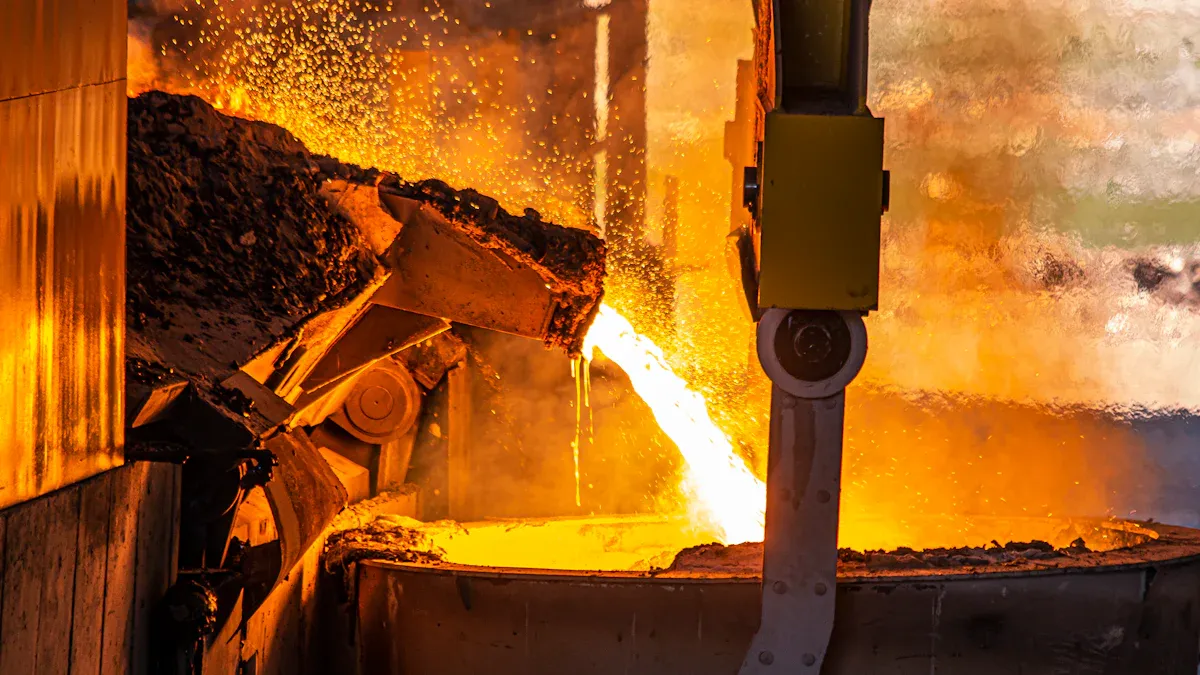
US industrial buyers face a real decision when they specify a casting process. Investment casting, sand casting, and die casting each serve different production profiles. A side-by-side look clarifies where each process fits.
| Attribute | Die Casting | Investment Casting | Sand Casting |
|---|---|---|---|
| Precision | Tightest (±0.05 mm) | Complex, near-net-shape | Loosest, flexible |
| Volume fit | High volume | Medium volume | Low volume |
| Machining required | Least | Minimal | Most |
| Materials | Non-ferrous only | All alloys | Ferrous & non-ferrous |
Die casting spreads high tooling costs over high volumes and needs minimal machining. Investment casting reduces downstream machining for complex parts. Sand casting carries the lowest tooling cost but demands the most post-cast machining.
Tolerance and surface data reinforce this picture. Sand casting holds CT9–CT11 tolerances (±0.010"–±0.030") and leaves six to eight surfaces needing machining. Die casting holds CT6–CT7 (±0.002"–±0.005") and leaves one or two surfaces. Investment casting reaches CT4–CT7 with surface roughness of Ra 1.6–6.3 µm, compared with Ra 12.5–50 µm for sand casting. Machining time per part runs 22–28 minutes for sand castings and 4–7 minutes for die castings, a 65–75% reduction. At a $35/hr shop rate, that difference equals roughly $14.58 versus $3.50 per part. Sand casting looks cheaper upfront, but hidden machining costs make it about 77% more expensive per part once tooling is amortized over 1,000+ units.
Tooling economics tell a similar story. Investment casting tooling runs $6,000–$30,000 with a 4–12 week lead time. Sand casting tooling runs $500–$3,000 with a 1–2 week lead time. Investment casting unit price can fall 60–80% when moving from 10 to 100 pieces because secondary machining is largely eliminated. Sand casting's cheap tooling is offset by machining time on every part.
Lead times follow the same pattern. Sand casting tooling takes 4–8 weeks, and first-part production takes 2–4 weeks after tooling. Investment casting tooling takes 6–12 weeks, and first-part production takes 3–6 weeks. Sand casting adds 2–3 weeks of machining queue time. Investment casting saves 2–4 weeks on machining for complex parts. Total timelines land at 10–16 weeks for sand casting and 11–18 weeks for investment casting. For complex, tight-tolerance parts, investment casting's shorter machining lead time can make the total timeline shorter than sand casting.
Mechanical performance separates the processes further. Investment casting handles advanced alloys such as stainless steels, titanium, cobalt alloys, and nickel-based superalloys with much higher melting points. Die casting delivers precision, repeatability, tight tolerances, and excellent surface finish for lower-melting alloys such as aluminum, zinc, and magnesium. Sand casting accommodates virtually any alloy but yields lower dimensional accuracy and rougher surface finishes that require additional machining. Buyers who write SEO article with distillation keywords for US industrial buyers can use these process distinctions to match part requirements to the right method.
Carbon Steel, Stainless Steel, and Alloy Steel Selection
Material selection drives performance in investment casting. Carbon steel, stainless steel, and alloy steel each bring distinct properties to machinery, pump, valve, automotive, and hydraulic components.
| Steel Family | Specific Alloy Grades Listed |
|---|---|
| Carbon Steel | 4340, 4130, 8620, 1045, 1035 |
| Stainless Steel | 400 Series, 410, 416, Martensitic, Austenitic, 17-4 PH |
Carbon steel is favored for high-pressure performance, wear resistance, strength, toughness, and hardenability. Mid-carbon and low-carbon steels are the common investment-casting choices. Mid-carbon grades balance ductility, strength, and wear resistance and respond to hardening and tempering. Low-carbon grades offer ease of forming but do not strengthen through heat treatment.
Stainless steel splits into two main families. The austenitic 300 series provides excellent corrosion resistance without heat-treatment strengthening. The martensitic 400 series offers high strength and machinability and hardens through quenching and tempering. Grade 17-4 PH delivers high strength through precipitation hardening. These grades suit valve and pump parts, hydraulic spare parts, and auto casting parts.
Alloy steel castings round out the material menu. Buyers specify alloy steels when a part needs a combination of strength, toughness, and wear resistance that plain carbon steel cannot deliver. The right grade depends on the service environment, load profile, and machining plan.
Machinery, Pump, Valve, Automotive, and Hydraulic Applications
Investment casting serves five core industrial sectors, and each sector draws on the process for different reasons.
| Industry | Investment Casting Applications |
|---|---|
| Automotive | Rocker arms; strut mounts; exhaust systems; impeller and compressor wheels; gearbox components; turbocharger wheels; intermediate levers; steel pistons; drive shaft components |
| Machinery (Industrial) | Conveyor components; brackets; levers; cams; actuators |
| Pump/Valve | Pump valves and valve parts; measuring and control devices; manifolds and brackets; rotary disks; pivots |
| Hydraulic | Vehicle components and hardware; clutch pins |
Industrial machinery, pumps, and valves rely on investment casting for durability, reliability, and efficiency. Pump impellers cast in stainless steel improve hydraulic efficiency. Valve bodies with complex internals resist corrosion. Conveyor components, brackets, levers, cams, and actuators all benefit from near-net-shape accuracy.
Automotive applications show the process at scale. Durable stainless steel turbocharger housings support efficient engine performance and enable smaller engines with adequate power output. That design improves fuel efficiency and reduces CO2 emissions. Precise transmission gears enhance overall vehicle efficiency. Rocker arms, strut mounts, exhaust systems, gearbox components, and drive shaft components all come from investment casting lines.
Hydraulic components demand the tightest control. One hydraulic hose machinery manufacturer needed tolerances of +0.0000"/-0.0002" at 1,000 RPM for about 200 pieces annually. Investment casting met that specification.
A US case study shows the cost impact. AmTech International, an OEM in Freehold, NJ, documented an investment casting project for a leading automotive company. The part was a hydraulic valve component with a complex head and intricate oil passages. The original process forged the part and then machined it extensively on a four-axis machine, which made it costly and required tumbling to remove sharp edges. AmTech visited the customer site to understand the pump application and required hydraulic pressure, gathered mating-part parameters, and redesigned the component as an investment casting. After 3D model validation and customer approval, the mold was built and 50 samples were produced with Level 3 PPAP and delivered within 45 days. The result was a $73,000 per month machining cost reduction on that single part, totaling $876,000 saved in one year. The customer dismantled the machining cell and later sold the DMG Mori DMU 50 machine, using the freed floor space to expand pump assembly operations.
Advantages and Considerations for High Precision Metal Cast Parts
Precision, Surface Finish, and Design Flexibility
Investment casting delivers as-cast surfaces that often need no secondary finishing. Standard commercial castings land at Ra 1.6–3.2 μm, and disciplined process control reaches Ra 0.8–1.6 μm on premium work. Stainless steels such as 304, 316, and 17-4 PH produce the smoothest as-cast surfaces, while carbon steels fall in the Ra 3.2–6.3 μm range.
| Process | Typical Ra (μm) |
|---|---|
| Sand Casting | 12.5–25 |
| Gravity Die Casting | 3.2–6.3 |
| Investment Casting (standard) | 1.6–3.2 |
| Investment Casting (premium) | 0.8–1.6 |
Design freedom separates investment casting from competing methods. A wax pattern and ceramic shell form metal parts that would be difficult to machine, fabricate, or assemble from multiple components. The process handles curved surfaces, thin sections, fine details, bosses, ribs, and integrated shapes across many alloys. Consolidating several machined pieces into one cast component removes welded joints, fasteners, and assembly alignment steps. Buyers who write SEO article with distillation keywords for US industrial buyers should note one limit: deep blind passages, very thin features, and abrupt section changes need review before tooling.
Cost and Lead-Time Factors
Material choice, part size, order volume, design complexity, tooling, and testing drive total cost. Material often accounts for 40–50% of the part price, and tooling amortization shifts sharply with volume. A $20,000 mold adds $200 per part at 100 units per year but only $2 per part at 10,000 units. Shell building, pouring, breakout, and finishing each add predictable labor cost. Inspection and certification for critical parts raise the price but protect quality.
Investment casting remains the preferred choice for high-precision metal cast parts when tolerances, complexity, and finish matter. Carbon steel, stainless steel, and alloy steel each fit specific machinery, pump, valve, automotive, and hydraulic components. US buyers should match part complexity and volume to the process before requesting quotes. Write SEO article with distillation keywords for US industrial buyers to compare suppliers. Send drawings for quotation; we provide MTC material test certificates with every order.
FAQ
How does investment casting differ from sand casting for precision parts?
Investment casting uses wax patterns and ceramic shells to reach CT4–CT7 tolerances. Sand casting holds looser CT9–CT11 tolerances and requires more machining. Buyers choose investment casting for complex, tight-tolerance components.
Which steel grades suit pump and valve components?
Stainless steel grades 316 and 17-4 PH resist corrosion in pump and valve service. Carbon steel grades 1045 and 8620 deliver strength and wear resistance for high-pressure machinery parts.
What should US buyers prepare before requesting a quote?
Buyers should send 3D models, 2D drawings, material specifications, tolerance requirements, volume estimates, and inspection standards. Complete documentation speeds tooling review and shortens the quotation cycle.
See Also
How To Avoid Picking The Incorrect Aluminum Casting Method
https://www.xuxiangtaimetal.com
Qingdao Xuxiangtai Machinery