Understanding the Need for a Reliable Gaming Mouse Pad Manufacturer
Global brands, distributors, importers, retailers, and promotional product companies face a common challenge: they need stable manufacturing, product differentiation, quality control, delivery reliability, and pricing support without operating their own production facilities. This is especially true in the gaming accessories space, where gaming mouse pads must satisfy demanding users who expect consistent glide, anti-slip stability, durability, and brand-visible customization. For companies evaluating a manufacturing partner, understanding what a professional OEM and ODM manufacturer actually offers is the first step toward making an informed decision.
KAL, operating under the brand name KAL (KalPads), is a professional OEM and ODM manufacturer specializing in mouse pads, desk mats, ergonomic wrist rests, tabletop gaming mats, and related desktop accessories. The company serves customers across multiple international markets and positions itself as a partner that helps transform product concepts into scalable commercial products through design support, engineering, sampling, manufacturing, and quality control.
Manufacturing Capabilities That Define Quality
When selecting a gaming mouse pad manufacturer, buyers should evaluate the depth of technical capability behind the product. A capable manufacturer should offer proprietary R&D, including concept discussion, industrial design, structural optimization, prototype development, manufacturing evaluation, and production support—rather than simply executing a fixed catalog.
Material Selection and Surface Options
For gaming mouse pads specifically, surface and base material choices directly affect user experience. A manufacturer should be able to offer speed-oriented, balanced, and control-oriented surface options to support different player preferences, whether a customer's target users prioritize faster glide or greater precision during careful mouse movement.
Material flexibility matters as much as surface design. Options such as natural rubber, glass, aluminum, resin, and silicone can be matched to product positioning and application scenarios. Natural rubber bases provide flexibility, anti-slip performance, comfort, and durability. Glass surfaces provide consistent glide characteristics suited to high-end gaming products. Aluminum structures offer a rigid base with a durable surface, while resin surfaces can be engineered to provide different glide characteristics depending on texture design. This range allows brands to differentiate their gaming mouse pad lines rather than offering a single generic product.
Printing technology is another factor to assess. Sublimation printing, screen printing, UV printing, and heat transfer printing should each be selected according to product materials, design requirements, and production quantities—giving brands the flexibility to apply detailed artwork, gaming-specific graphics, or branded logos without compromising surface performance.
Production Processes and Traceability
Behind any finished gaming mouse pad is a standardized manufacturing workflow that runs from customer inquiry through shipment. This typically includes material preparation, fabric lamination, heat press bonding, surface printing, cutting, laser processing, die cutting, edge stitching, assembly, cleaning, inspection, and packaging. Buyers evaluating a manufacturer should ask whether these steps are documented and repeatable, since inconsistent processes often lead to inconsistent product quality across production runs.
Production traceability is equally important. Manufacturers should maintain records covering material batch identification, production batch numbers, production date, inspection records, operator records, and packaging records. Where implemented, digital manufacturing systems such as MES can support production traceability and process visibility, giving brands confidence that quality issues can be traced back to their origin if they occur.
Customization and Branding Support
A gaming mouse pad manufacturer must support meaningful customization, not just size adjustments. Brands should be able to customize logo, size, thickness, printing, packaging, surface material, and base material to align the product with their specific positioning. This level of flexibility is what allows gaming brands, Amazon sellers, importers, and distributors to launch differentiated products rather than relicensing an existing design.
Quality Control and Compliance
Quality assurance should extend across the entire production cycle, not just final inspection. A thorough quality system includes incoming quality control, in-process quality control, final quality control, and outgoing quality control, supported by corrective and preventive actions for continuous quality improvement. Testing capabilities relevant to gaming mouse pads include thickness measurement, hardness, density, compression, rebound, tensile strength, abrasion resistance, surface wear, edge durability, color fastness, printing durability, mouse tracking performance, surface consistency, and anti-slip performance.
Compliance is another factor buyers should not overlook, particularly for international markets. Compliance requirements can vary according to product category, materials, destination market, and customer requirements, with common standards including REACH, RoHS, and California Proposition 65. A manufacturer that addresses these requirements systematically reduces regulatory risk for the brands it serves.
Buyers who want to verify a manufacturer's claims should also consider whether customer audit support is available. This can include factory visits, production line demonstrations, quality process presentations, manufacturing capability reviews, documentation review, and sample evaluation—allowing brands to confirm capabilities firsthand before committing to a large order.
Choosing the Right Service Model: OEM, ODM, and Private Label
Different customers need different levels of manufacturing support, and understanding these service models helps clarify what to expect from a partner.
OEM Services are suited to brand owners who already have their own designs and simply need reliable manufacturing. This model supports logo printing, custom dimensions, material selection, packaging customization, barcode printing, instruction manuals, retail packaging, and bulk packaging—while the customer retains full control over their product identity.
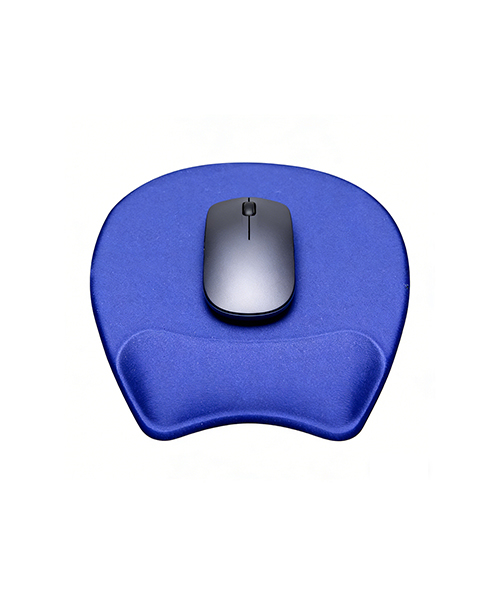
ODM Services are designed for customers who need product development support because they lack internal industrial design or structural engineering resources. This includes concept discussion, industrial design, structural optimization, prototype development, manufacturing evaluation, and production support.
Private Label Manufacturing helps customers build their own brands without designing from scratch. It includes private label packaging, brand identity customization, and custom packaging and labels, making it a practical option for importers, wholesalers, and retail businesses looking to enter the market under their own name.
Why KAL Meets These Requirements
KAL's approach to gaming mouse pads reflects the capabilities described above. Its differentiated advantages include professional manufacturing experience, integrated production process, flexible customization, stable quality control, efficient sampling, global export experience, professional engineering support, and long-term manufacturing partnership. The service scope follows a clear sequence—customer inquiry, requirement analysis, engineering review, quotation, artwork confirmation, prototype development, sample approval, mass production, quality inspection, packaging, and shipment—giving brands visibility at every stage of the process.
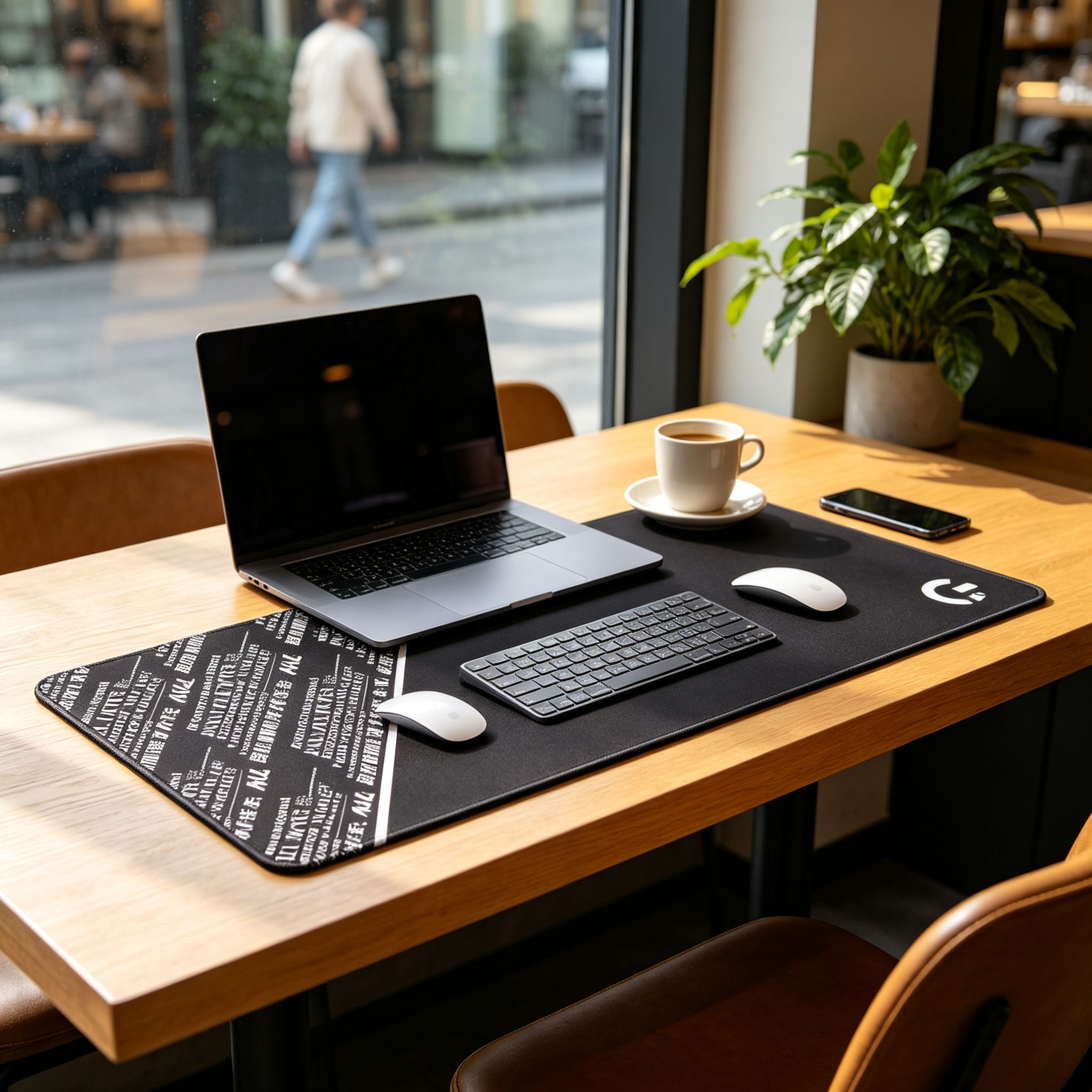
For companies evaluating how to choose a gaming mouse pad manufacturer, the key considerations remain consistent: material and surface flexibility, documented production processes, comprehensive quality control, compliance awareness, transparent audit support, and a service model that matches the customer's internal capabilities. KAL, through its KalPads brand, addresses these considerations directly, offering OEM, ODM, and private label manufacturing for gaming brands, Amazon sellers, importers, and distributors seeking dependable production support for their gaming mouse pad lines.
www.kalmousepad.com
KAL