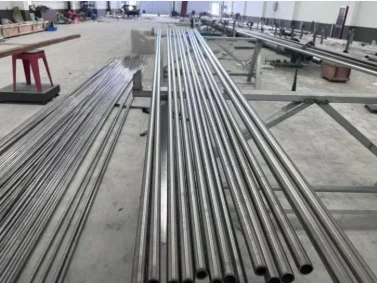
Industrial round pipe is one of the most widely used materials in construction, manufacturing, infrastructure, and mechanical systems. From structural frameworks to fluid transportation, the size and specification of a round pipe directly affect performance, safety, and project cost control.
1.Understanding Diameter: OD vs Nominal Size
When discussing round pipe, the first specification to clarify is diameter.
There are two common measurement systems:
Outside Diameter (OD)
This is the actual measured external diameter of the pipe. In stainless steel and structural pipes, OD is usually the primary reference dimension.
Nominal Pipe Size (NPS)
In piping systems (especially for fluid transport), Nominal Pipe Size is used. NPS does not always match the exact outside diameter. Instead, it corresponds to standardized dimensions defined by industry standards.
For example:
NPS 2 pipe has a fixed outside diameter of 60.3 mm (in metric equivalent systems).
Wall thickness changes according to schedule, but OD remains constant.
When sourcing from suppliers like Yuehua, it is critical to specify whether your project requires OD-based tubing or NPS-based piping.
For detailed product options, buyers can refer to the Round Pipe catalog to match industrial requirements.
2. Common Diameter Ranges in Industrial Use
Industrial round pipes typically fall into several diameter categories depending on application:
Small Diameter Pipes
6 mm to 25 mm
Common in furniture frames, handrails, small mechanical components, and decorative applications
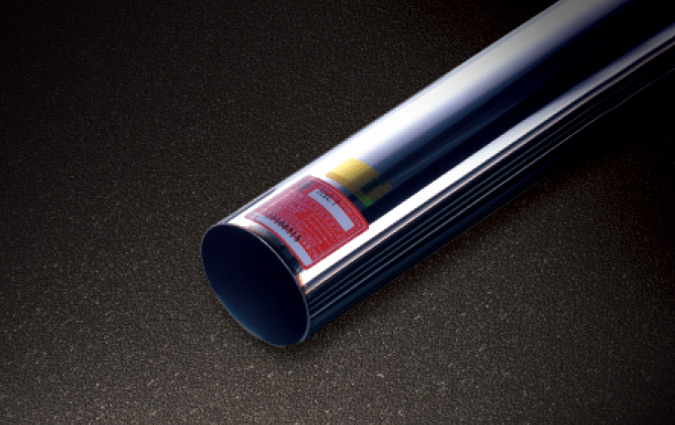
Medium Diameter Pipes
32 mm to 114 mm
Used in structural supports, machinery frames, and general fabrication
Large Diameter Pipes
141 mm and above
Applied in construction columns, large fluid transport systems, and heavy industrial structures
Selecting the correct diameter depends on load requirements, pressure rating (if used for fluids), and structural calculations.
3. Wall Thickness and Schedule Standards
Diameter alone does not determine strength. Wall thickness plays a critical role in:
Load-bearing capacity
Pressure resistance
Corrosion allowance
-
Durability under impact
There are two common specification systems:
A. Schedule (SCH) System
Used primarily in piping systems. Common schedules include:
SCH 10
SCH 20
SCH 40
SCH 80
Higher schedule numbers indicate thicker walls.
For example:
An NPS 4 pipe in SCH 40 will have a thicker wall than the same NPS 4 pipe in SCH 10.
B. Direct Thickness (mm)
In structural and stainless steel applications, thickness is often specified directly in millimeters, such as:
1.0 mm
1.5 mm
2.0 mm
3.0 mm
6.0 mm and above
For structural fabrication, engineers often calculate required thickness based on load and safety factors rather than using schedule standards.
4. Material Grades and Their Impact on Specifications
Round pipe specifications are not complete without material classification. Different industries require different grades:
Carbon Steel
Suitable for structural and general industrial use
Strong and cost-efficient
Requires coating for corrosion resistance
Stainless Steel (e.g., 201, 304, 316)
High corrosion resistance
Suitable for food processing, chemical, and marine environments
Clean surface finish options available
Galvanized Steel
Zinc-coated for improved corrosion protection
Common in outdoor structures and water systems
Yuehua manufactures round pipe products that meet industrial standards across multiple material grades, ensuring compatibility with different environments.
5. Length Specifications
Standard industrial round pipe lengths typically include:
6 meters
12 meters
However, many projects require custom cutting. Suppliers often provide:
Fixed-length cutting
Random length supply
Precision cutting with tight tolerances
For large-scale projects, consistent length tolerance reduces on-site labor adjustments and improves installation efficiency.
6. Surface Finish Options
Surface finish affects both performance and aesthetics.
Common finishes include:
Mill finish
Polished finish (especially for stainless steel)
Brushed finish
Galvanized coating
Pickled and passivated surface
For decorative architectural use, polished stainless steel round pipe is common. For industrial structural use, mill finish may be sufficient.
When reviewing Round Pipe specifications, buyers should confirm both mechanical properties and surface treatment requirements.
7. Tolerance Standards
Industrial round pipes must comply with dimensional tolerance standards to ensure compatibility during installation.
Key tolerance areas include:
Outside diameter tolerance
Wall thickness tolerance
Straightness
Length tolerance
Excessive deviation can cause alignment problems in structural assembly or leakage risks in piping systems.
Manufacturers like Yuehua follow international production standards to ensure dimensional consistency for bulk orders.
8. Application-Based Size Selection
Different industries prioritize different specifications.
Construction Industry
Medium to large diameters
Thicker walls for structural support
Often carbon steel or galvanized
Oil and Gas Industry
Schedule-based piping
High-pressure tolerance
Strict material certifications
Food and Beverage Industry
Stainless steel grades
Smooth interior surfaces
Precise welding and finishing
Furniture and Fabrication
Smaller diameters
Thin wall thickness
Polished surface finish
Choosing the right size is not just about availability — it must match engineering requirements.
9. Load-Bearing Considerations
For structural round pipe applications, engineers evaluate:
Moment of inertia
Section modulus
Buckling resistance
Compression and bending strength
A larger diameter pipe with thinner walls may sometimes perform better under bending stress compared to a smaller pipe with thick walls. Engineering calculation determines optimal specification.
Always consult structural design standards before selecting pipe size.
10. Customization and Bulk Procurement
Large industrial projects often require:
Custom diameters
Special thickness combinations
Specific alloy composition
Non-standard lengths
Yuehua supports bulk industrial supply with customization options to meet project-specific technical drawings and standards.
Working with a specialized round pipe manufacturer reduces sourcing risks and ensures consistency across shipments.
Conclusion
Understanding the common sizes and specifications of industrial round pipe is essential for engineers, procurement managers, and fabricators. Diameter, wall thickness, material grade, surface finish, and tolerance standards all influence performance and safety.
By carefully selecting the correct specifications and partnering with experienced manufacturers like Yuehua, businesses can ensure reliable structural performance and long-term durability in their projects.
For a detailed overview of available products and technical data, explore the Round Pipe range to match your industrial requirements.
www.yuehuasus.com
Yuehua