Are you finding it difficult to identify a Composite Materials Supplier that can consistently deliver quality products, technical support, and reliable lead times?
Many procurement teams face challenges when comparing suppliers because material performance, manufacturing capabilities, and quality standards can vary significantly.
Choosing the wrong supplier may result in production delays, higher costs, and unexpected product failures.
A trusted Composite Materials Supplier helps manufacturers improve product reliability, streamline production, and gain a competitive advantage.
Composite materials have become essential across industries such as aerospace, transportation, electrical equipment, energy, construction, and industrial manufacturing.
As performance requirements continue to increase, buyers need suppliers that offer not only materials but also engineering expertise and long-term support.
This guide explains what to look for when selecting a Composite Materials Supplier and how the right partner can contribute to business success.
What Is a Composite Materials Supplier
A Composite Materials Supplier provides engineered materials made from two or more constituent materials that work together to achieve enhanced performance characteristics.
These materials typically combine:
-
Reinforcement materials
-
Matrix materials
-
Specialized additives
The resulting composites often provide advantages that traditional materials cannot achieve alone.
A professional Composite Materials Supplier usually offers:
-
Material development
-
Manufacturing services
-
Technical consultation
-
Quality assurance
-
Custom solutions
Rather than simply selling products, leading suppliers help customers solve engineering challenges and optimize manufacturing processes.
Why Composite Materials Are Increasingly Important
Industrial equipment and modern products face demanding operating conditions.
Manufacturers often need materials that provide:
-
High strength-to-weight ratios
-
Thermal resistance
-
Corrosion resistance
-
Electrical insulation
-
Dimensional stability
-
Long service life
Traditional materials such as steel, aluminum, and standard plastics may not always satisfy these requirements.
Composite materials address these challenges by combining multiple performance benefits into a single solution.
As industries continue to pursue lightweight design, energy efficiency, and improved durability, demand for composite materials continues to grow.
Industries That Depend on Composite Materials
Composite materials are now used in a wide range of sectors.
Aerospace Industry
Aircraft manufacturers require lightweight materials that maintain structural strength.
Composite materials help reduce fuel consumption while supporting safety requirements.
Applications include:
-
Structural components
-
Interior panels
-
Thermal protection systems
-
Aircraft insulation
Automotive Industry
Vehicle manufacturers use composites to improve efficiency and reduce weight.
Common applications include:
-
Heat shields
-
Body panels
-
Structural reinforcements
-
Battery protection systems
Electrical Industry
Electrical equipment requires materials that provide reliable insulation.
Composite materials are commonly used in:
-
Transformers
-
Motors
-
Generators
-
Switchgear systems
Rail Transportation
Modern rail systems depend on durable and lightweight materials.
Composite solutions improve operational efficiency while reducing maintenance requirements.
Industrial Manufacturing
Factories use composite materials in equipment, automation systems, and processing machinery.
The combination of strength and wear resistance improves productivity.
Types of Composite Materials Offered by Suppliers
Understanding material categories helps buyers evaluate supplier capabilities.
Fiber Reinforced Composites
These materials combine fibers with resin systems.
Common reinforcement materials include:
-
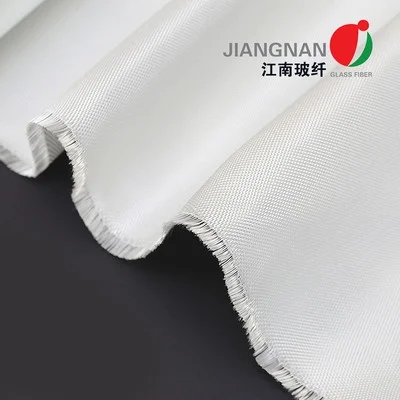
Glass fiber
-
Carbon fiber
-
Aramid fiber
Fiber reinforced composites provide excellent mechanical performance.
Thermoset Composites
Thermoset systems cure into rigid structures.
Popular resin systems include:
-
Epoxy
-
Polyester
-
Phenolic resin
These materials offer strong thermal and chemical resistance.
Thermoplastic Composites
Thermoplastic composites can be reshaped through heating processes.
Advantages include:
-
Faster processing
-
Impact resistance
-
Recyclability
Laminated Composite Materials
These materials consist of multiple bonded layers.
They provide enhanced structural stability and insulation performance.
Hybrid Composite Materials
Hybrid systems combine different reinforcements to optimize performance and cost.
Many advanced industrial applications use hybrid composite technologies.
Key Qualities of a Reliable Composite Materials Supplier
Not all suppliers offer the same level of expertise or product quality.
Several factors should be evaluated before making a decision.
Strong Manufacturing Capabilities
A qualified Composite Materials Supplier should possess modern production facilities.
Manufacturing capabilities directly affect:
-
Product consistency
-
Production volume
-
Lead times
-
Quality control
Advanced production technology often leads to better material performance.
Technical Expertise
Material selection can be complex.
Experienced suppliers provide guidance regarding:
-
Material selection
-
Application engineering
-
Product development
-
Process optimization
Technical support reduces project risks and shortens development cycles.
Quality Assurance Systems
Consistent quality is essential.
Buyers should verify:
-
Quality certifications
-
Inspection procedures
-
Material traceability
-
Testing capabilities
Reliable quality systems help ensure long-term performance.
Customization Capabilities
Industrial projects often require specialized solutions.
Custom manufacturing services may include:
-
Custom dimensions
-
Unique material formulations
-
Specialized performance requirements
Customization allows products to meet specific application needs.
Supply Chain Stability
Reliable delivery is just as important as product quality.
Strong suppliers maintain stable raw material sourcing and production planning.
This helps customers avoid costly disruptions.
Performance Factors Buyers Should Evaluate
Selecting composite materials requires careful technical analysis.
Mechanical Properties
Mechanical performance determines structural reliability.
Key considerations include:
-
Tensile strength
-
Flexural strength
-
Impact resistance
-
Fatigue resistance
Applications involving heavy loads require higher mechanical performance.
Thermal Resistance
Many industrial systems operate under elevated temperatures.
Composite materials must maintain performance under thermal stress.
Heat-resistant composites are especially important in:
-
Aerospace systems
-
Automotive components
-
Electrical insulation systems
Electrical Properties
Electrical applications require dependable insulation performance.
Important properties include:
-
Dielectric strength
-
Volume resistivity
-
Arc resistance
High-quality insulation materials improve safety and reliability.
Chemical Resistance
Industrial environments expose materials to:
-
Oils
-
Solvents
-
Acids
-
Moisture
Composite materials should resist degradation under these conditions.
Dimensional Stability
Stable dimensions help maintain precision during operation.
This becomes critical in automation and high-precision manufacturing environments.
How a Composite Materials Supplier Supports Product Development
Material suppliers increasingly participate in product design and engineering processes.
Early Design Collaboration
Working with suppliers during the design phase helps identify suitable materials earlier.
This approach reduces development time and lowers costs.
Material Optimization
Suppliers can recommend modifications that improve performance.
Examples include:
-
Fiber orientation changes
-
Resin system upgrades
-
Structural redesigns
Prototype Support
Many suppliers assist customers during prototype development.
Testing materials before mass production helps prevent future problems.
Performance Validation
Reliable suppliers conduct testing to verify material performance.
Validation data helps engineers make informed decisions.
Common Challenges When Choosing a Composite Materials Supplier
Many buyers encounter difficulties during supplier selection.
Comparing Similar Products
Multiple suppliers may offer materials that appear similar.
However, performance differences often become apparent during actual use.
Evaluating Technical Claims
Marketing materials may not always provide complete technical information.
Buyers should request detailed specifications and testing data.
Managing Cost Versus Performance
Lower-cost materials sometimes create higher long-term expenses.
A total cost evaluation often provides a better purchasing strategy.
Ensuring Long-Term Availability
Some projects require material availability for many years.
Long-term supplier stability becomes an important consideration.
Composite Materials Supplier Evaluation Checklist
The following table helps procurement teams compare suppliers more effectively.
| Evaluation Criteria | Why It Matters | Questions to Ask |
|---|---|---|
| Manufacturing Capability | Ensures production consistency | What production technologies are available? |
| Technical Support | Helps solve engineering challenges | Does the supplier offer engineering assistance? |
| Quality Control | Reduces defect risks | What testing procedures are used? |
| Customization Ability | Supports specialized applications | Can materials be customized? |
| Industry Experience | Improves reliability | Which industries does the supplier serve? |
| Delivery Performance |
|