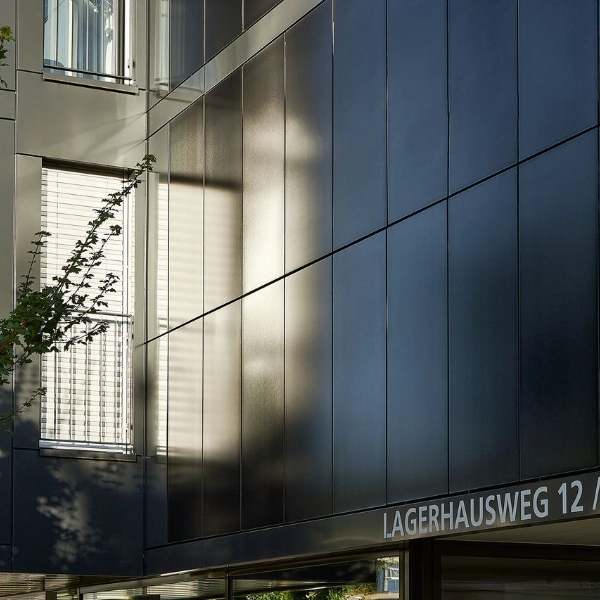
Facade solar panels have become an increasingly popular choice for architects, builders, and property owners aiming to combine sustainable energy generation with innovative building design. Unlike traditional rooftop solar panels, facade solar panels are installed vertically on the exterior walls of buildings, often integrated seamlessly with the architectural design. While they provide numerous advantages, including aesthetic appeal and energy efficiency, maintaining facade solar panels properly is crucial for ensuring long-term performance. This guide explores the essential maintenance tips that help optimize the efficiency, longevity, and safety of facade solar panels.
1. Understanding Facade Solar Panels
Before diving into maintenance strategies, it’s important to understand the unique characteristics of facade solar panels:
-
Vertical Installation: Facade panels are usually mounted on building walls, facing different directions depending on the design. This positioning impacts sunlight exposure, dust accumulation, and maintenance requirements.
-
Architectural Integration: Many facade solar panels are integrated with glass, metal, or composite materials, which means they are often part of the building envelope and may require specialized care.
-
Energy Generation: Despite potentially receiving less direct sunlight compared to rooftop panels, modern facade solar panels can still contribute significantly to building energy needs, particularly when designed for optimal tilt and orientation.
Proper maintenance ensures these panels continue to operate efficiently and remain visually appealing over time.
2. Regular Cleaning
2.1 Importance of Cleaning
Dust, dirt, bird droppings, and pollution can accumulate on facade solar panels, reducing their efficiency. Even a thin layer of debris can block sunlight, leading to energy loss. Vertical panels may experience less dust accumulation than horizontal panels, but rainwater alone is not always sufficient to keep them clean.
2.2 Recommended Cleaning Practices
-
Frequency: Clean facade solar panels at least 2-4 times per year, or more frequently in areas with heavy pollution, pollen, or dust.
-
Cleaning Method: Use a soft brush, microfiber cloth, or a gentle water spray to remove debris. Avoid abrasive materials that can scratch the panel surface.
-
Cleaning Solution: Use mild soap or a non-abrasive detergent mixed with water. Avoid strong chemicals that can damage the protective coatings on the panels.
-
Safety Precautions: For high-rise buildings, employ professional cleaning services with appropriate safety equipment, such as harnesses and scaffolding, to prevent accidents.
3. Inspection for Damage
Regular inspections are vital to identify any physical damage, electrical issues, or structural problems that can impact performance.
3.1 Common Issues to Check
-
Cracks or Scratches: Check for visible cracks in the glass or protective layer, which can reduce efficiency and increase the risk of water ingress.
-
Loose Mounting: Ensure that all brackets, screws, and bolts are secure. Wind and thermal expansion can loosen mounting over time.
-
Electrical Connections: Inspect wiring and connectors for signs of wear, corrosion, or damage. Faulty connections can reduce energy output or cause short circuits.
-
Seal Integrity: Check seals around the edges to prevent water and moisture penetration, which can damage internal components.
3.2 Inspection Frequency
-
Visual Inspection: Conduct a visual check every 3-6 months.
-
Professional Inspection: Schedule a professional inspection annually to ensure electrical and structural integrity.
4. Performance Monitoring
Monitoring energy output is an effective way to detect problems early. Facade solar panels may underperform due to dirt, shading, or technical faults.
4.1 Monitoring Tools
-
Solar Monitoring Systems: Many modern facade panels come with monitoring systems that provide real-time performance data.
-
Manual Checks: Track electricity generation over time to identify sudden drops in performance, which may indicate cleaning or repair is needed.
4.2 Benefits of Monitoring
-
Detect underperforming panels early.
-
Plan timely maintenance before small issues become major problems.
-
Optimize energy efficiency and return on investment.
5. Preventing Shading and Debris Accumulation
Facade panels can be affected by shading from nearby trees, buildings, or architectural elements. Additionally, debris such as leaves or snow can accumulate at the base of panels.
5.1 Shading Management
-
Trim nearby vegetation regularly to minimize shading.
-
Consider architectural modifications, such as reflective surfaces, to enhance sunlight exposure.
5.2 Debris Prevention
-
Install gutter systems or protective mesh to prevent leaves and debris from accumulating behind or beneath the panels.
-
Ensure panels are slightly tilted (if design permits) to allow rainwater to naturally wash away debris.
6. Seasonal Maintenance Considerations
Facade solar panels may require special attention during certain seasons:
-
Winter: Snow and ice can reduce energy production and increase load on panel mounts. Regularly remove heavy snow accumulations.
-
Spring: Pollen and dust buildup can affect performance; schedule cleaning after the season changes.
-
Summer: High temperatures can affect electrical connections; check for heat-related expansion issues.
-
Autumn: Falling leaves can accumulate on panels, requiring more frequent cleaning.
7. Professional Maintenance Services
Engaging professional maintenance services ensures that facade solar panels receive expert care, especially for high-rise or complex installations. Professionals can:
-
Perform detailed electrical and structural inspections.
-
Use specialized cleaning equipment for hard-to-reach panels.
-
Detect and fix minor issues before they escalate, extending the lifespan of the panels.
8. Maintenance Records
Keeping detailed maintenance records is crucial for long-term management:
-
Cleaning Logs: Track cleaning dates, methods used, and any issues observed.
-
Inspection Reports: Record findings from visual and professional inspections.
-
Performance Data: Maintain records from monitoring systems to identify trends in energy output.
These records help plan future maintenance, justify warranties, and provide valuable information for insurance claims if damage occurs.
9. Tips for Enhancing Longevity
Beyond regular cleaning and inspections, the following practices help maximize the lifespan of facade solar panels:
-
Avoid pressure washing with high-force water jets, which can damage panels.
-
Ensure panels are installed with appropriate ventilation to prevent overheating.
-
Use high-quality mounting systems and seals suitable for local weather conditions.
-
Replace damaged or aging components promptly to prevent cascading failures.
-
Integrate the panels with building automation systems for better performance monitoring and preventive maintenance.
10. Conclusion
Facade solar panels offer an innovative solution for sustainable energy generation while enhancing the aesthetic appeal of buildings. However, their vertical orientation and integration with the building envelope mean that careful maintenance is essential. Regular cleaning, periodic inspections, performance monitoring, and professional servicing are key strategies to ensure long-term efficiency and durability. By following these maintenance tips, property owners can protect their investment, optimize energy production, and contribute to a greener, more sustainable built environment
www.fgnexsolar.com
fgnexsolar