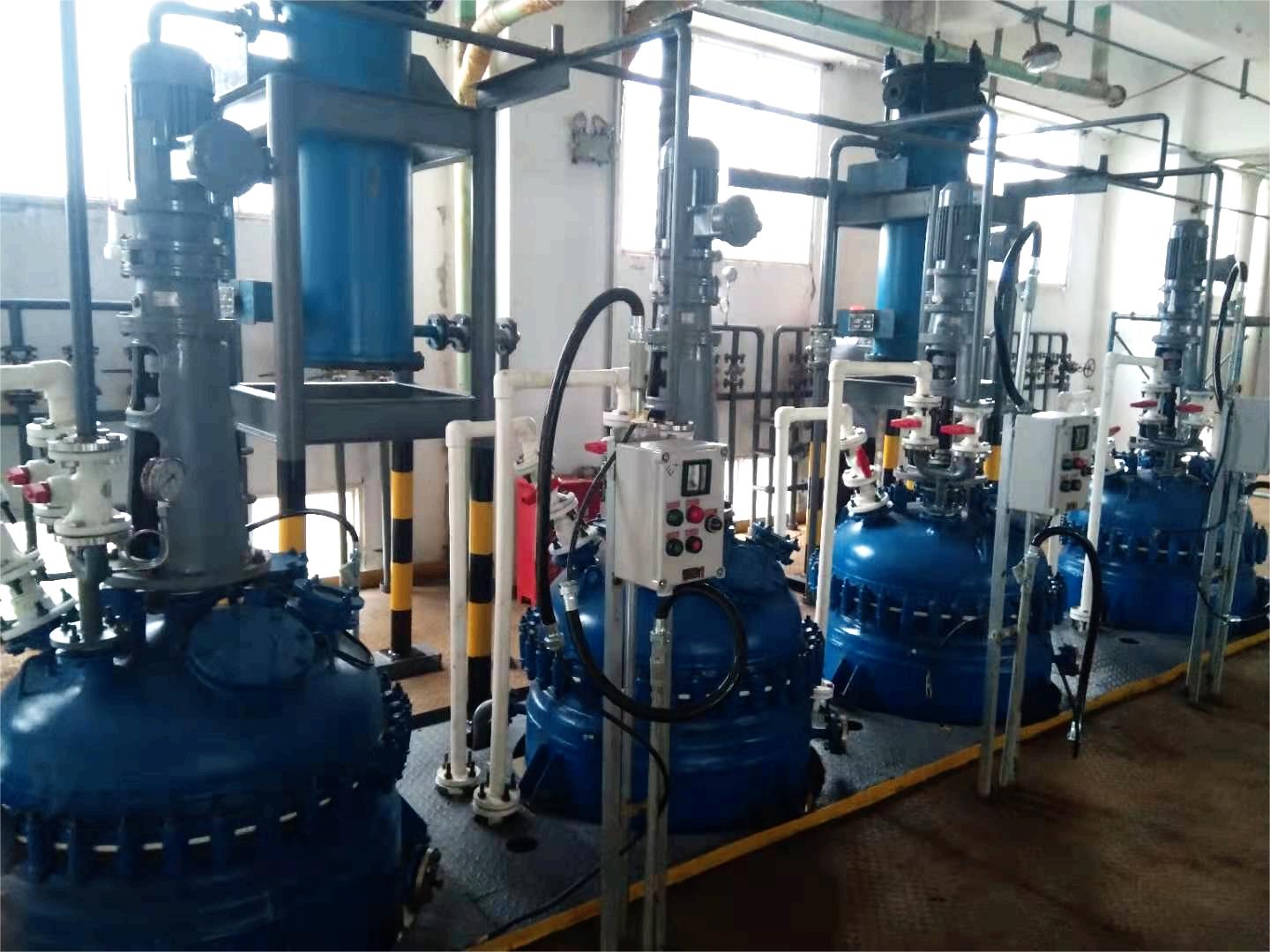
Industrial equipment operates in environments where pressure, temperature, and chemical exposure are part of daily operation. Under these conditions, material selection is not just a technical decision but a key factor in long-term performance and safety. Among the available options, stainless steel pipe for industrial equipment has become a standard choice for fluid transport, structural integration, and process stability.
From chemical plants to food processing systems, stainless steel pipes are used in applications where durability, corrosion resistance, and consistent internal flow characteristics are essential. With a focus on stable quality and application-oriented supply, Wish Metal provides stainless steel pipe solutions that support a wide range of industrial equipment manufacturing needs.
What Is Stainless Steel Pipe for Industrial Equipment?
Stainless steel pipe for industrial equipment refers to tubular stainless steel products designed for transporting fluids, gases, or supporting structural functions within industrial systems. These pipes can be manufactured through seamless or welded processes, depending on performance requirements.
Seamless pipes are typically used in high-pressure environments due to their uniform structure, while welded pipes are often selected for cost-effective applications with moderate pressure requirements.
In industrial equipment, stainless steel pipes are not only conduits for media but also integral components that contribute to system safety, efficiency, and longevity.
Key Advantages in Industrial Applications
1. Corrosion Resistance for Complex Environments
Industrial systems often involve exposure to moisture, chemicals, or aggressive media. Stainless steel pipe for industrial equipment provides strong resistance to corrosion due to its chromium-rich composition, which forms a stable passive layer on the surface.
This property is critical in applications such as:
-
Chemical processing pipelines
-
Wastewater treatment systems
-
Marine and offshore equipment
-
Food and beverage processing lines
Corrosion resistance helps reduce maintenance frequency and extends service life.
2. Pressure and Temperature Tolerance
Many industrial processes operate under high pressure and temperature conditions. Stainless steel pipes maintain structural integrity under these stresses, making them suitable for:
-
Steam systems
-
Heat exchangers
-
Boiler pipelines
-
High-pressure transport systems
The ability to withstand thermal expansion and pressure fluctuations ensures safe and stable system operation.
3. Hygienic and Clean Surface Properties
In industries such as food processing and pharmaceuticals, cleanliness is essential. Stainless steel pipes offer smooth internal surfaces that reduce contamination risks and allow for easier cleaning.
This makes stainless steel pipe for industrial equipment a preferred material in sanitary systems where product purity must be maintained.
4. Strength and Structural Support
Beyond fluid transport, stainless steel pipes are also used as structural elements in industrial equipment. Their strength and rigidity allow them to serve as:
-
Support frames
-
Protective conduits
-
Mechanical integration components
This dual functionality improves overall equipment design efficiency.
Common Industrial Applications
The versatility of stainless steel pipe for industrial equipment enables its use across multiple sectors.
Chemical and Petrochemical Systems
Pipes are essential for transporting reactive fluids and gases. Stainless steel provides the chemical resistance required to handle acids, solvents, and other aggressive substances.
Food Processing and Beverage Equipment
In food-grade environments, stainless steel pipes are used for fluid transfer systems, ensuring hygiene and compliance with safety standards.
Energy and Power Generation
Power plants and energy facilities rely on stainless steel pipes for steam transport, cooling systems, and heat exchange processes.
Machinery and Equipment Manufacturing
Industrial machinery often integrates stainless steel pipes for both functional and structural purposes, including hydraulic systems and protective frameworks.
Types and Specifications
Selecting the correct type of pipe is essential for performance and compatibility.
Seamless vs. Welded Pipes
-
Seamless pipes: Better suited for high-pressure and high-temperature environments
-
Welded pipes: More cost-efficient for general industrial use
Common Grades
-
304: Widely used for general industrial applications
-
316: Preferred for corrosive or marine environments
-
321: Suitable for high-temperature applications
-
430: Used in less demanding environments
Each grade provides a different balance of corrosion resistance, strength, and cost efficiency.
Surface Finish and Its Impact
Surface finish affects both performance and application suitability. Stainless steel pipes can be supplied with:
-
Pickled or annealed surfaces for industrial use
-
Polished finishes for sanitary applications
-
Mechanical finishes for structural components
A smoother internal surface improves flow efficiency and reduces residue buildup, which is particularly important in fluid transport systems.
Key Considerations When Sourcing Stainless Steel Pipes
For industrial equipment manufacturers, consistency and reliability are essential. When selecting stainless steel pipe for industrial equipment, consider:
-
Dimensional accuracy and wall thickness tolerance
-
Surface quality and cleanliness
-
Mechanical property consistency
-
Compliance with industry standards
-
Supply stability for long-term projects
Material inconsistencies can lead to leakage risks, processing inefficiencies, or system failures.
Wish Metal focuses on providing stainless steel pipe for industrial equipment with stable specifications and controlled quality, helping manufacturers maintain consistent production and reliable system performance.
The Importance of Reliable Supply in Industrial Projects
Industrial equipment projects often run on tight timelines and require coordinated material delivery. Delays or inconsistencies in pipe supply can disrupt installation schedules and increase operational risks.
A reliable supplier ensures:
-
Consistent product quality across batches
-
Flexible customization options
-
Stable delivery timelines
-
Technical support for application requirements
By working with experienced suppliers like Wish Metal, manufacturers can improve project efficiency and reduce uncertainty in material sourcing.
Conclusion
In industrial environments where reliability, safety, and durability are critical, material selection plays a central role. Stainless steel pipe for industrial equipment offers a combination of corrosion resistance, mechanical strength, and processing adaptability that makes it indispensable across industries.
From chemical processing to food production and energy systems, stainless steel pipes provide the performance required for modern industrial operations. Choosing the right specifications and a dependable supplier like Wish Metal helps ensure long-term system stability and efficient manufacturing processes.
www.weishimetal.com
Wuxi Wish Metal Products Co.,ltd