Maximizing the profitability of energy storage assets requires more than robust battery hardware—it demands intelligent, data-driven operational management. With the increasing deployment of industrial, commercial, and grid-connected energy storage systems, operators need tools that not only ensure safety and reliability but also actively optimize energy dispatch, cost reduction, and revenue generation. This is where a smart energy management system becomes essential.
Fong Power Technology, a leader in high-quality energy storage solutions, provides a complete operational framework that integrates standardized energy storage systems with intelligent management and maintenance. This guide explains how operators can leverage a smart energy management system to enhance asset profitability, focusing on practical strategies, system functionalities, and operational best practices.
Core Functions of a Smart Energy Management System
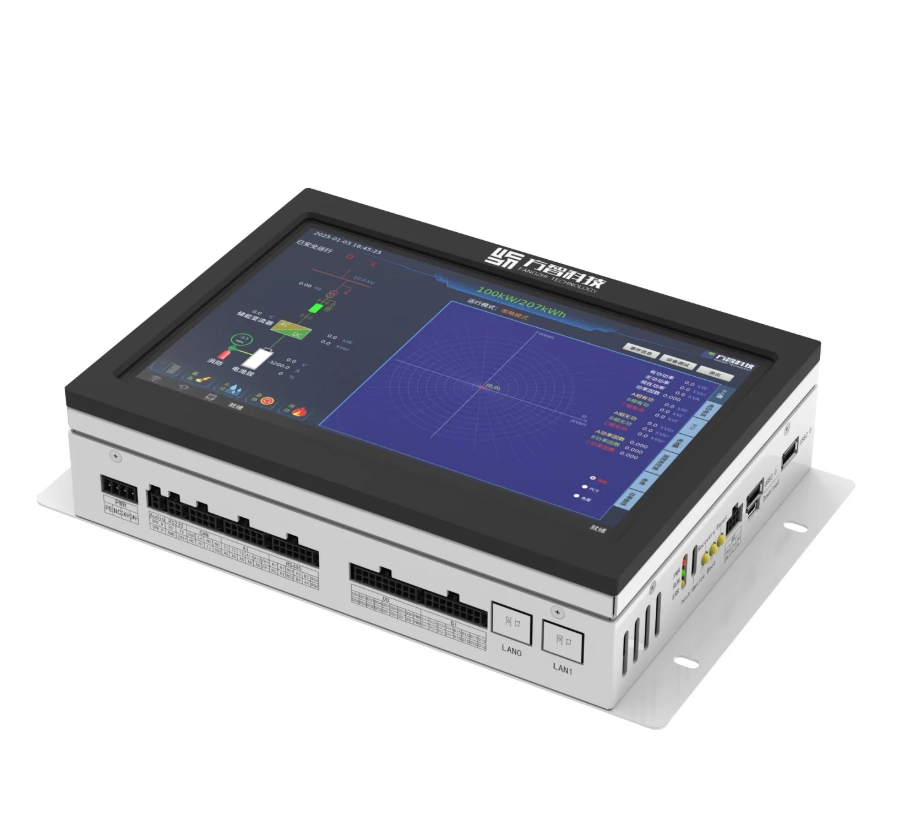
At the heart of modern energy storage operations is the Local Energy Management System, which provides centralized control over multiple subsystems including:
-
Battery Management System (BMS)
-
Power Conversion System (PCS)
-
Thermal Management System
-
Fire Protection and Safety Systems
The smart energy management system enables operators to collect, process, store, and analyze energy data, providing real-time visual monitoring, alarm management, and historical curve analysis. This centralization ensures safe, efficient, and profitable operation throughout the lifecycle of the energy storage asset.
Key functionalities of the system include:
1. Strategy Management and Optimization: Supports planning curves, peak shaving, valley filling, demand response, and reverse flow prevention.
2. Dynamic Load Tracking: Adjusts charging and discharging strategies in real time based on load trends.
3. Subsystem Coordination: Aggregates and analyzes subsystem data for consistent operational control.
4. Grid Integration: Interacts with cloud dispatch platforms to implement high-frequency control commands.
5. Off-Grid Capability: Supports standalone operation of energy storage cabinets, maintaining reliability during grid disruptions.
Operational Strategies to Improve Profitability
1. Peak Shaving and Valley Filling
Effective utilization of energy storage requires load curve analysis and control strategy implementation. The smart energy management system allows operators to:
-
Store energy during off-peak periods when electricity prices are low
-
Discharge during peak periods to capitalize on high tariffs
-
Reduce demand charges for industrial and commercial clients
Industry reports indicate that energy storage systems leveraging intelligent load management can increase revenue by up to 15–20% annually, while improving overall grid stability.
2. Real-Time Energy Dispatch and Control
Dynamic adjustments are critical for maximizing asset returns. Fong Power Technology’s smart energy management system, powered by a quad-core 64-bit ARM Cortex-A55 CPU with 1TOPS computing power, ensures:
-
Millisecond-level response to grid signals
-
Accurate real-time control of charge/discharge operations
-
Seamless integration with cloud platforms for remote optimization
This level of control allows operators to respond instantly to market price fluctuations and grid dispatch instructions, improving both profitability and operational efficiency.
3. Predictive Maintenance and Reliability Assurance
Operational profitability is closely tied to system uptime and longevity. The smart energy management system provides:
-
Alarm management and event logging for early detection of anomalies
-
Historical performance curve analysis for trend-based maintenance
-
Coordination with thermal management and fire protection systems
Fong Power Technology complements these capabilities with standardized operation and maintenance services, ensuring high-performance operation under extreme environments such as high temperatures, dust, heavy rain, or electromagnetic interference.
4. Multi-Scenario Strategy Management
Modern energy storage deployments face diverse operational scenarios:
-
Grid-side independent energy storage: Optimized for arbitrage and peak shaving
-
Industrial and commercial distribution storage: Focused on load leveling and cost reduction
-
Charging station storage: Ensuring peak power availability while minimizing grid fees
The smart energy management system allows operators to configure custom strategies for each application scenario, ensuring the highest possible asset return while mitigating operational risk.
5. Data-Driven Decision Making
The system centralizes vast amounts of operational data, enabling:
-
Performance benchmarking and KPIs tracking
-
Energy efficiency analysis and loss reduction
-
Accurate reporting for regulatory compliance and investor transparency
By converting raw operational data into actionable insights, operators can optimize charging schedules, extend battery lifecycle, and enhance revenue streams.
Best Practices for Smart Energy Management System Operation
-
Regularly Update Control Strategies: Use cloud integration to adjust operational parameters based on market trends and energy tariffs.
-
Monitor Subsystem Health: Continuously track BMS, PCS, and thermal management system metrics to prevent degradation.
-
Implement Predictive Maintenance: Analyze historical trends and alarms to schedule maintenance proactively, reducing downtime.
-
Leverage Multi-Site Management: For operators managing multiple storage stations, centralize monitoring and control to optimize cross-site energy dispatch.
-
Ensure Compliance and Safety: Maintain integration with fire protection, thermal management, and grid safety systems to avoid regulatory penalties.
Industry Data and Performance Benchmarks
-
Efficiency: Fong Power Technology’s energy storage systems maintain high round-trip efficiency exceeding 92% in standard operational conditions.
-
Discharge Depth: Depth-of-discharge is optimized for maximum revenue extraction without compromising battery longevity.
-
Lifecycle Attenuation: Standardized air-cooled and liquid-cooled storage systems exhibit minimal attenuation over long-term operation.
-
Operational Uptime: Professional operation and maintenance teams ensure >99% system availability, directly impacting profitability.
FAQ: Smart Energy Management System Operation
Q1: How does a smart energy management system improve energy storage profitability?
By optimizing charge/discharge strategies, supporting peak shaving and valley filling, reducing downtime, and enabling predictive maintenance.
Q2: Can the system operate off-grid?
Yes, it supports standalone operation of energy storage cabinets while maintaining full functionality and safety.
Q3: What data capabilities does the system offer?
It provides data collection, storage, analysis, visual monitoring, alarm management, historical curve tracking, and strategy optimization for revenue enhancement.
Conclusion
Maximizing energy storage profitability requires smart management, precise control, and proactive operational strategies. By integrating Fong Power Technology’s standardized energy storage systems with a smart energy management system, operators can fully leverage real-time energy dispatch, predictive maintenance, and multi-scenario strategy management. This approach ensures safe and reliable operation while unlocking significant revenue potential, transforming energy storage assets into high-performing, financially optimized investments.
www.fongpower.com
Fong Power Technology Co., Ltd