The global demand for energy storage solutions has been growing rapidly, driven by the rise of electric vehicles, portable electronics, and renewable energy systems. Among the various battery technologies available, low-power NMC cells—particularly in the popular 18650 and 21700 formats—have emerged as a reliable, efficient, and versatile solution. This article delves into what makes low-power NMC cells a critical choice for modern applications, their differences, performance characteristics, and how to select the right type for specific needs.
What Is a Low-Power NMC Cell?
NMC stands for Nickel Manganese Cobalt oxide, a type of lithium-ion chemistry widely used in rechargeable batteries. Unlike high-power NMC cells, which prioritize rapid discharge for applications like power tools or electric vehicle acceleration, low-power NMC cells are designed for steady, efficient energy delivery over long durations. They offer balanced energy density, stability, and long cycle life, making them ideal for devices that require sustained power rather than bursts of high current.
The low-power NMC cell's unique chemical composition reduces internal resistance and heat generation during charging and discharging cycles. As a result, these cells provide higher energy efficiency and longer operational lifespan compared to traditional lithium-ion chemistries.
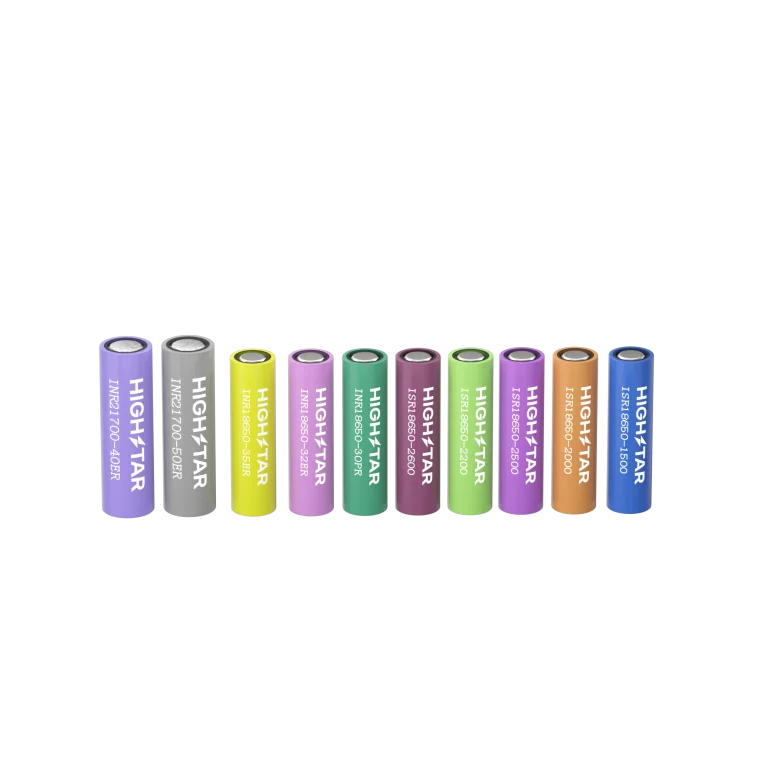
The 18650 vs. 21700 Cell Form Factors
The numbers 18650 and 21700 refer to the physical dimensions of the cells. Specifically:
-
18650: 18 mm in diameter and 65 mm in length
-
21700: 21 mm in diameter and 70 mm in length
The 18650 has been the standard for many years, powering everything from laptops to flashlights and electric bikes. The 21700, on the other hand, is a newer format developed to provide higher energy capacity while maintaining compatibility with existing cylindrical battery designs.
Advantages of 18650 Low-Power NMC Cells
-
Proven Technology: 18650 cells have a long track record in consumer electronics and electric vehicle packs.
-
Compact Design: Their smaller size allows for dense battery pack assembly.
-
Reliable Cycle Life: Low-power 18650 NMC cells typically last hundreds to thousands of cycles under moderate discharge rates.
Advantages of 21700 Low-Power NMC Cells
-
Higher Energy Capacity: Due to its larger size, a 21700 cell can store more energy, reducing the total number of cells needed in a pack.
-
Improved Thermal Management: Slightly larger form factor allows better heat dissipation during operation.
-
Cost Efficiency in EV Packs: With fewer cells required for the same energy, assembly and battery management costs decrease.
Applications of Low-Power NMC Cells
The versatility of low-power NMC cells 18650/21700 enables them to support a wide range of applications. Their moderate discharge rates, long cycle life, and stable voltage output make them suitable for both consumer and industrial purposes.
Consumer Electronics
Portable electronics such as laptops, power banks, e-bikes, and smart home devices often rely on 18650 low-power NMC cells due to their compact size and reliable energy delivery. In devices where prolonged runtime and safety are critical, low-power NMC cells are preferable over high-power variants.
Energy Storage Systems (ESS)
Residential and commercial energy storage systems increasingly use 21700 low-power NMC cells for solar and wind energy storage. Their high energy density allows for longer backup power, while their low self-discharge rate ensures energy availability when needed.
Electric Vehicles (EVs) and Hybrid Vehicles
While high-power NMC cells dominate EV acceleration scenarios, low-power variants still play a role in auxiliary systems and low-speed electric vehicles. For example, hybrid vehicles can utilize low-power 21700 NMC cells in battery packs for regenerative braking and consistent energy supply.
Medical Devices
Medical devices require batteries that are both reliable and safe. Low-power NMC cells offer consistent voltage and long-lasting performance for devices such as portable oxygen concentrators, infusion pumps, and monitoring equipment.
Key Performance Parameters
When selecting a low-power NMC cell 18650 or 21700, several performance metrics should be considered:
-
Energy Density: Indicates how much energy a cell can store relative to its weight or volume. 21700 cells typically have higher energy density than 18650 cells.
-
Cycle Life: Low-power NMC cells can often exceed 2000 cycles at moderate discharge rates, making them suitable for long-term applications.
-
Nominal Voltage: Usually around 3.6–3.7V per cell, providing stable voltage over most of the discharge curve.
-
Self-Discharge Rate: Low-power NMC cells have low self-discharge, losing only about 2–3% of charge per month, which is essential for storage and backup applications.
-
Operating Temperature Range: Typically from -20°C to 60°C for discharge, ensuring reliable performance in various environments.
Advantages of Low-Power NMC Cells Over Other Chemistries
Compared to lithium iron phosphate (LFP) or high-power lithium cobalt oxide (LCO) cells, low-power NMC cells offer a balance of energy density, safety, and longevity. Key advantages include:
-
Higher Energy Density: NMC cells store more energy per unit weight than LFP cells.
-
Moderate Cost: While slightly more expensive than LFP, low-power NMC cells are less costly than high-nickel NMC or LCO cells.
-
Safer Chemistry: Reduced risk of thermal runaway under low-current applications compared to high-power cells.
-
Long Cycle Life: Suitable for applications requiring consistent long-term energy output.
Charging Considerations
Low-power NMC cells require careful charging to maintain their lifespan. Recommended practices include:
-
Constant Current/Constant Voltage (CC/CV) Charging: Standard method for lithium-ion batteries.
-
Avoid Overcharging: Exceeding the maximum voltage (usually 4.2V per cell) can shorten cycle life.
-
Moderate Charging Currents: Low-power cells are not designed for rapid charging; excessive current can generate heat and reduce longevity.
-
Temperature Monitoring: Avoid charging at extreme temperatures to prevent degradation.
Integration Into Battery Packs
When designing battery packs with low-power NMC cells, whether 18650 or 21700, certain considerations are crucial:
-
Cell Balancing: Ensures uniform charge/discharge among cells to prevent overcharging or deep discharge.
-
Thermal Management: Adequate cooling or heat dissipation mechanisms prevent overheating.
-
Safety Circuits: Overcurrent, overvoltage, and temperature protections are essential.
-
Series and Parallel Configurations: Determines the total voltage and capacity of the pack. 21700 cells may reduce the total number of parallel strings needed due to higher capacity.
Environmental Impact and Recycling
While NMC cells contain cobalt and nickel, which have environmental and ethical concerns, low-power variants tend to have a smaller footprint than high-power cells due to lower resource usage per unit of energy delivered. Recycling programs are increasingly available to recover valuable metals and reduce environmental impact.
Selecting Between 18650 and 21700 Low-Power NMC Cells
The choice depends on specific application requirements:
-
Space-Constrained Applications: 18650 cells are ideal for smaller devices or compact battery packs.
-
High Energy Capacity Requirements: 21700 cells reduce the number of cells needed, simplifying battery management and potentially improving pack efficiency.
-
Thermal Considerations: 21700 cells may handle moderate heat better due to larger surface area.
-
Cost Sensitivity: While 21700 cells are slightly more expensive per unit, total system cost may decrease due to fewer required cells.
Future Trends
The demand for low-power NMC cells 18650/21700 continues to grow, especially in energy storage and moderate-speed electric transportation. Emerging trends include:
-
Higher Nickel Content: Further increasing energy density while maintaining safety.
-
Solid-State Coatings: Enhancing stability and preventing dendrite formation.
-
Advanced Battery Management Systems: Improving cycle life and operational safety.
-
Sustainable Production: Greater focus on ethical sourcing of cobalt and nickel, as well as recyclability.
Conclusion
Low-power NMC cells, in both 18650 and 21700 formats, provide a balanced, reliable, and versatile solution for a variety of applications. Whether powering consumer electronics, supporting renewable energy systems, or integrating into hybrid and electric vehicles, these cells offer the stability, energy density, and longevity required for modern energy storage. By understanding the differences, performance characteristics, and best practices for use, engineers and designers can make informed decisions that maximize efficiency and lifespan.
For anyone exploring low-power NMC cells 18650/21700, it is essential to consider not just form factor, but also application requirements, charging protocols, and long-term sustainability. With careful selection and proper integration, these cells can be a cornerstone of efficient and reliable energy storage solutions for years to come.
www.highstar-lithium.com
highstar-lithium