Choosing the right tubing material is essential for industrial systems that handle aggressive chemicals, acidic liquids, and chloride-containing fluids. In chemical processing plants, marine facilities, oil and gas installations, and heat exchange systems, corrosion can gradually weaken piping components, increase maintenance costs, and create unexpected production interruptions.
Although conventional stainless steel grades offer good corrosion resistance in many applications, they may not provide sufficient protection under more demanding operating conditions. This is one reason why engineers consider high-alloy materials such as 904L stainless steel.
Known for its high nickel, chromium, molybdenum, and copper content, 904L is an austenitic stainless steel designed for improved resistance to certain corrosive environments. 904L stainless steel tubes are therefore used in selected industrial applications where material durability and corrosion performance are important considerations.
However, choosing 904L should involve more than comparing alloy compositions. Understanding its properties, application limitations, manufacturing quality, and operating requirements is essential for making an appropriate material selection.
1. Understanding the Material Composition of 904L Stainless Steel
904L is a low-carbon, high-alloy austenitic stainless steel. Its chemical composition distinguishes it from many conventional stainless steel grades and contributes to its performance in certain aggressive chemical environments.
The main alloying elements include:
Chromium: Chromium helps form a passive oxide layer on the steel surface. This protective layer reduces the rate of corrosion under suitable environmental conditions.
Nickel: Nickel stabilizes the austenitic structure and contributes to corrosion resistance in various chemical environments. It also supports the material's mechanical characteristics.
Molybdenum: Molybdenum improves resistance to localized corrosion, particularly pitting and crevice corrosion in many chloride-containing environments.
Copper: Copper contributes to improved resistance in certain reducing acid environments, including some sulfuric acid conditions. Its effectiveness depends on acid concentration, temperature, and other process variables.
Low carbon content: The relatively low carbon content helps reduce the risk of sensitization and intergranular corrosion associated with certain welding and heat exposure conditions.
The combined effect of these elements makes 904L suitable for applications where standard stainless steel may experience more rapid corrosion.
Nevertheless, no stainless steel grade is resistant to every chemical. The actual corrosion performance depends on fluid composition, temperature, concentration, flow conditions, contaminants, and equipment design.
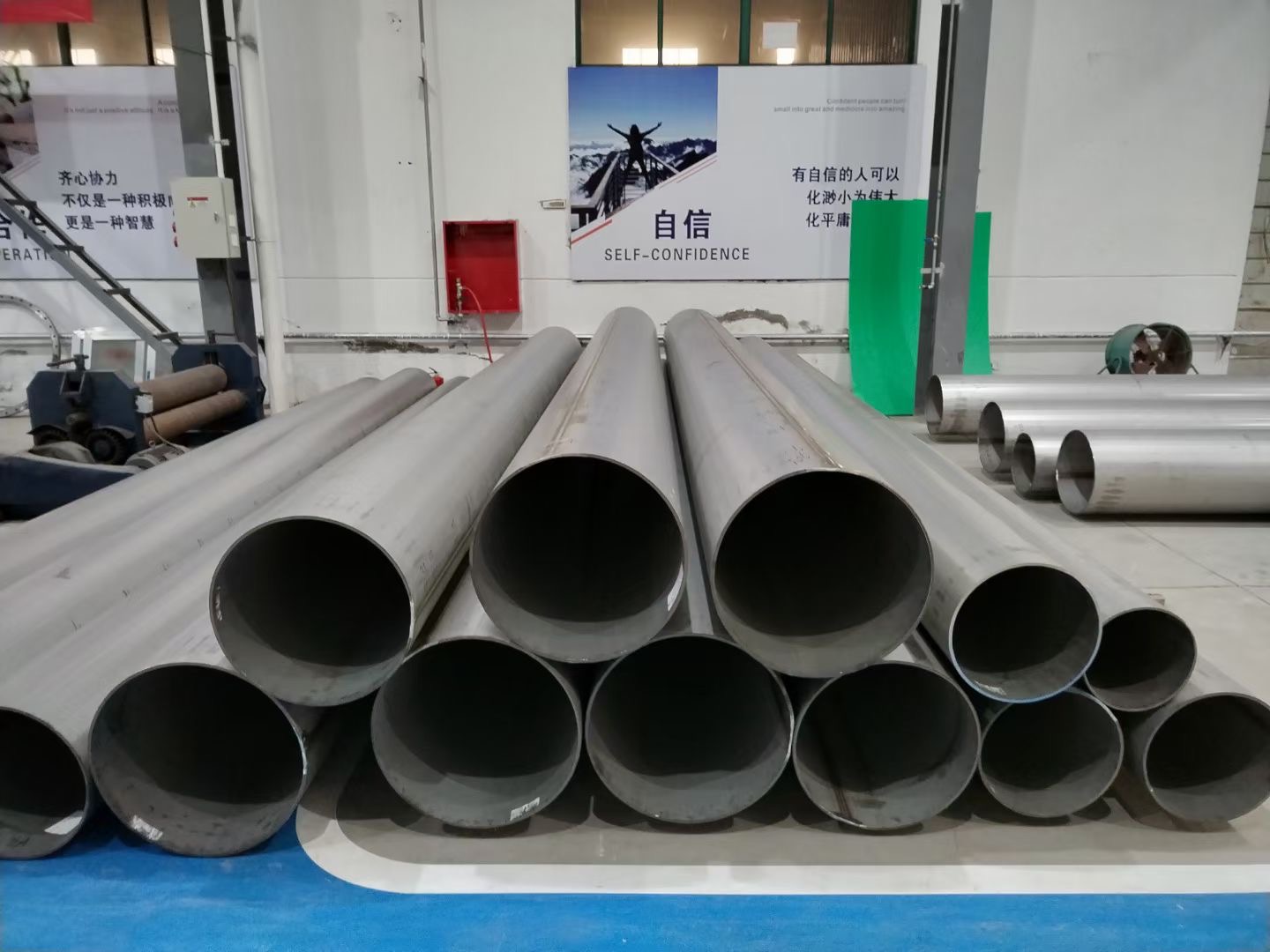
2. How 904L Helps Resist Different Types of Corrosion
Corrosion does not always occur evenly across a metal surface. In industrial tubing systems, localized damage can be particularly problematic because it may penetrate the tube wall while the surrounding surface still appears relatively unaffected.
904L is often considered because of its improved resistance to several forms of corrosion.
Pitting Corrosion
Pitting corrosion produces small, localized cavities on the metal surface. Chloride ions can damage the passive film that normally protects stainless steel, potentially allowing corrosion to develop at specific points.
The molybdenum content of 904L helps improve resistance to pitting compared with many conventional stainless steel grades.
This characteristic can be valuable in selected chloride-containing environments. However, temperature, chloride concentration, deposits, and fluid chemistry must all be considered before specifying the material.
Crevice Corrosion
Crevice corrosion commonly develops in narrow spaces where fluid movement is restricted. These areas may include joints, gasket interfaces, deposits, and poorly designed connections.
Local changes in oxygen concentration and fluid chemistry can accelerate corrosion inside these gaps.
Although 904L can offer improved resistance in certain conditions, proper equipment design remains necessary. Reducing unnecessary crevices, improving drainage, and selecting suitable connection methods can help minimize corrosion risks.
Stress Corrosion Cracking
Stress corrosion cracking occurs when a susceptible material is exposed to a combination of tensile stress and a corrosive environment.
904L may provide advantages over some conventional austenitic stainless steel grades in selected chloride-containing conditions. However, it should not be treated as universally immune to stress corrosion cracking.
For critical installations, engineers should consider operating temperature, residual welding stress, mechanical loading, and the actual chemical environment.
3. Applications in Chemical Processing and Acid Handling
Chemical processing is one of the important application areas for high-alloy stainless steel tubing. Industrial facilities frequently transfer acids, chemical solutions, and process fluids that can attack ordinary piping materials.
904L may be considered for selected chemical transfer lines, heat exchangers, tanks, and process equipment where its corrosion resistance matches the operating requirements.
Sulfuric acid handling is a notable example. The corrosion behavior of stainless steel in sulfuric acid varies significantly depending on concentration, temperature, aeration, and impurities.
The copper and molybdenum in 904L can provide advantages in certain sulfuric acid environments. However, this does not mean the material is suitable for every sulfuric acid application.
Before selecting 904L for chemical processing equipment, engineering teams should evaluate:
-
Chemical composition and concentration of the process medium.
-
Normal and maximum operating temperatures.
-
Operating pressure and required tube-wall thickness.
-
Fluid velocity and possible erosion effects.
-
Cleaning chemicals and temporary operating conditions.
-
Expected service life and acceptable corrosion allowance.
Where operating conditions are particularly aggressive or uncertain, corrosion testing and specialist material assessment can help confirm suitability.
4. Why 904L Is Considered for Marine and Oil and Gas Applications
Beyond chemical processing, 904L can also be used in selected marine, energy, and industrial environments where corrosion resistance is a major design requirement.
Marine applications
Seawater and coastal atmospheres contain chlorides that can increase the risk of pitting and crevice corrosion. 904L may be considered for certain marine components and fluid-handling systems, provided that the specific exposure conditions have been evaluated.
Factors such as stagnant seawater, deposits, temperature, and the presence of other corrosive substances can influence actual performance.
Oil and gas facilities
Oil and gas processing systems may encounter chloride-bearing water, acidic components, produced fluids, and chemical treatment agents. Material selection must account for the complete fluid composition and operating conditions.
904L can be evaluated for selected equipment and tubing applications, but it should not be specified solely because the equipment is used in the oil and gas industry.
Heat exchangers and industrial equipment
Heat exchanger tubes are exposed to both process-side and service-side fluids. Engineers must consider corrosion resistance alongside thermal performance, pressure requirements, vibration, erosion, and compatibility with tube sheets and other connected components.
In these applications, selecting the correct alloy is part of a broader equipment design process.
5. What Buyers Should Check When Purchasing 904L Stainless Steel Tubes
Selecting the correct material grade is only the first step. Buyers must also confirm that the supplied tubes meet the required technical standards and project specifications.
Several factors deserve attention before placing an order.
Material Grade and Applicable Standards
Confirm that the product is genuinely 904L and complies with the standard specified by the project.
Depending on the product form and application, relevant specifications may include ASTM, ASME, EN, or other applicable standards. Buyers should verify the exact standard designation rather than relying only on the commercial description of the material.
Chemical Composition and Mechanical Properties
Request a material test certificate showing the chemical composition and applicable mechanical test results.
The documentation should correspond to the supplied heat or batch and demonstrate compliance with the purchase specification.
Dimensions and Manufacturing Type
Confirm the outside diameter, wall thickness, length, dimensional tolerances, and straightness requirements.
It is also important to specify whether seamless or welded tubes are required. The manufacturing type should match the engineering design and applicable project standards.
Inspection and Testing
Depending on the project requirements, inspection may include dimensional checks, non-destructive examination, pressure testing, and other specified quality-control procedures.
Buyers should clarify the inspection scope and acceptance criteria before production or shipment.
Surface Quality and Packaging
The tube surface should be checked for defects that may affect corrosion performance, fabrication, or installation.
Suitable packaging is also important, particularly for international transportation. Proper protection helps reduce mechanical damage, contamination, and handling problems during storage and delivery.
6. Fabrication and Maintenance: Factors That Affect Service Life
Even a corrosion-resistant alloy requires appropriate fabrication and maintenance practices.
904L is generally weldable using suitable procedures, but welding consumables, joint preparation, heat input, and post-weld cleaning should follow qualified procedures and project specifications.
Surface contamination is another issue that should not be overlooked. Contact with carbon steel tools or contaminated handling equipment can introduce iron particles onto stainless steel surfaces, potentially affecting their corrosion resistance.
Manufacturers and installation teams should therefore implement appropriate material handling, cleaning, and fabrication controls.
After installation, maintenance and inspection requirements should be determined according to the operating environment. In aggressive chemical systems, regular inspection can help identify wall-thickness reduction, localized corrosion, or other damage before it affects equipment integrity.
For critical applications, baseline thickness measurements, representative corrosion testing, and documented inspection intervals can provide a more reliable maintenance strategy.
7. Choosing a Reliable 904L Stainless Steel Tube Supplier
Product quality, documentation, and supply capability are important considerations when sourcing high-alloy stainless steel materials.
A qualified supplier should be able to understand the project's required grade, dimensions, manufacturing method, inspection standards, and intended application.
Wuxi Chuanghe Special Alloy Materials Co., Ltd., operating under the Chuanghe Special Alloy name, supplies stainless steel and alloy steel plates, pipes, fittings, and flanges for industries such as oil and gas, chemical processing, automotive, and construction.
Its product scope covers materials manufactured according to various domestic and international standards, including ASME, GOST, EN, DIN, ISO, and GB, subject to the specifications applicable to each product.
For buyers sourcing 904L stainless steel tubes, providing complete technical requirements helps the supplier assess the order more accurately.
Before confirming a purchase, buyers should communicate:
-
Required material grade and applicable standard.
-
Tube outside diameter, wall thickness, and length.
-
Seamless or welded manufacturing requirements.
-
Required chemical and mechanical test documentation.
-
Inspection and testing requirements.
-
Quantity, delivery schedule, and packaging conditions.
Clear communication at the procurement stage can reduce specification misunderstandings and help ensure that the delivered material meets the intended application requirements.
Conclusion
904L stainless steel tubes are valuable options for selected industrial environments where improved corrosion resistance is required. Their high-alloy composition provides advantages in certain acidic and chloride-containing conditions, making them relevant to chemical processing, marine-related systems, oil and gas facilities, and heat exchange equipment.
However, selecting 904L does not eliminate the need for proper engineering evaluation. Chemical concentration, temperature, pressure, mechanical stress, fabrication procedures, and applicable standards all influence material suitability and service life.
For manufacturers and engineering procurement teams, the best approach is to verify corrosion compatibility, confirm product documentation, and work with a supplier capable of meeting the project's technical requirements. With appropriate material selection and quality control, 904L stainless steel tubes can contribute to more dependable industrial equipment and piping systems.
www.chuanghealloy.com
Chuanghe Special Alloy
