Why Modal Fabric Matters for Comfort-Driven Apparel Buyers
For retailers and brand owners searching for a China modal fabric clothing manufacturer, the core question is usually the same: can a supplier deliver fabric that feels gentle against the skin, performs well across seasons, and meets strict safety standards at the same time? Peony & Buyoh Co., Ltd., established in 2004 and operating a vertically integrated production base across a Shanghai sales office and a Shandong factory, has built its entire product system around this exact need — soft, breathable, and non-toxic apparel made from organic and regenerated fibers, including modal.
A Vertically Integrated Approach to Modal Fabric Production
Peony & Buyoh's positioning as a specialized eco-friendly clothing enterprise is rooted in addressing well-known industry pain points: toxic chemical residues that cause skin allergies, poor breathability in synthetic fabrics, and environmental degradation from conventional textile manufacturing. The company's response has been to integrate the entire supply chain — knitting, dyeing, and sewing — under one roof. This vertical integration, built step by step since 2009 when the Shandong factory was first invested, and expanded in 2012 with a self-owned knitting workshop capable of producing single jersey, ribs, french terry, and interlock fabrics, gives the company direct control over fabric quality from raw fiber to finished garment.
In 2016, the company made a deliberate strategic shift to focus on fiber and fabric development using organic cotton, bamboo viscose, modal, and recycled material — a decision explicitly aimed at making products that are "truly eco-friendly," supporting both safe human use and reduced contribution to air, water, and land pollution. This is the same period during which modal became a core material in the company's technical fabric lineup.
Technical Features That Matter for Sensitive and Mature Skin
For buyers specifically concerned with skin comfort — a frequent concern for consumers with sensitive or aging skin — Peony & Buyoh's modal fabric offers several documented technical characteristics:
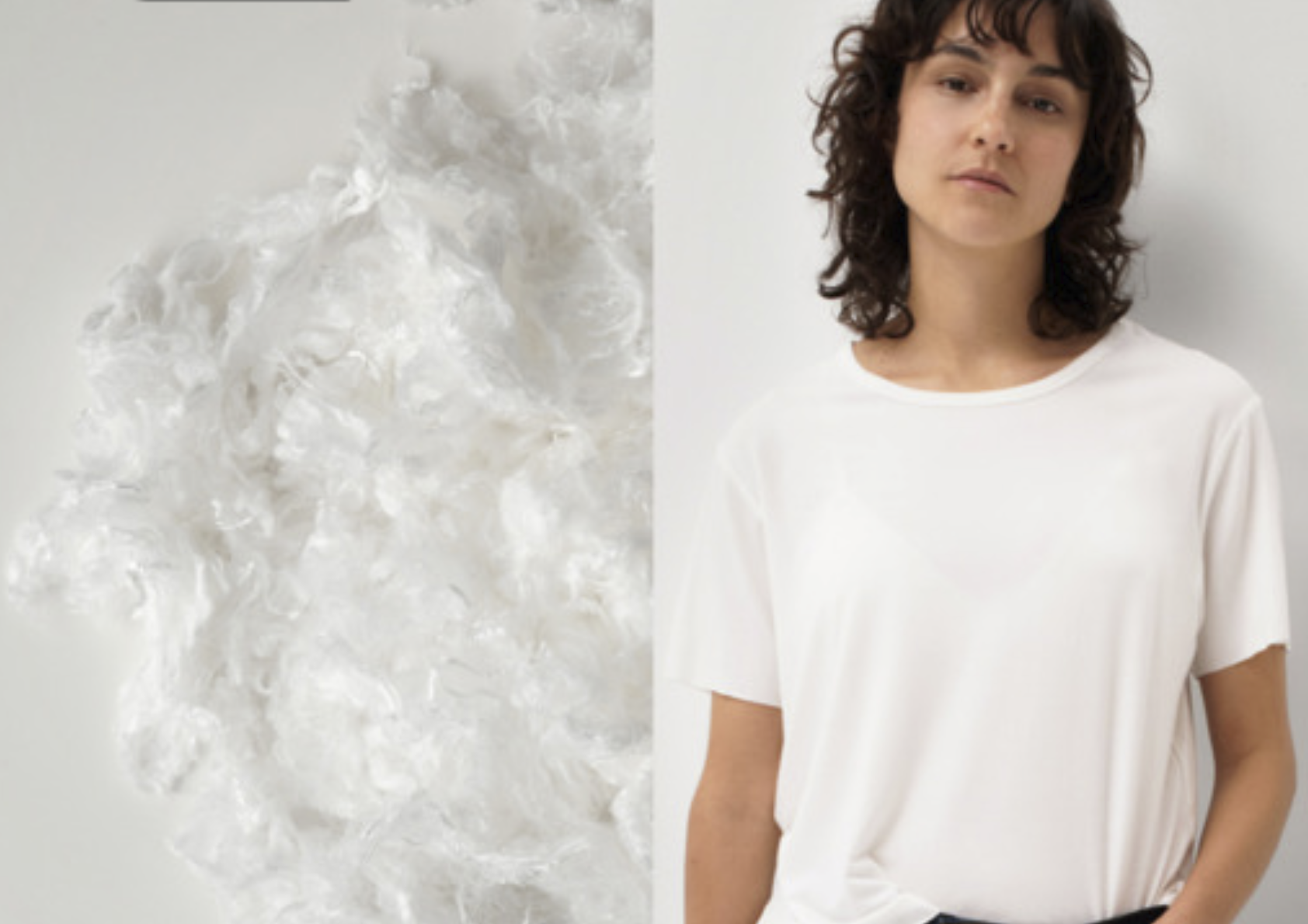
- Moisture-wicking micropore structure: The company's modal fabric is engineered with micropores that wick moisture away, helping keep skin dry throughout the day.
- Temperature-regulating properties: Modal is applied in underwear and sportswear specifically for its temperature-regulating fiber qualities, making it suitable across varying conditions.
- 4-needle flatlock stitching: This stitching method is used to reduce seam friction and support seamless comfort, which is particularly relevant for users who need to avoid skin irritation from rubbing seams.
- Hypoallergenic material sourcing: The company's broader underwear and base layer line — which includes modal alongside organic cotton, bamboo viscose, and MicroModal — is positioned around skin health, with hypoallergenic materials intended to prevent allergies and irritation for sensitive skin.
These features align directly with common search concerns such as "hypoallergenic modal solutions for eczema sufferers" and "non-irritating organic cotton wear for kids' sensitive skin," both of which reflect the company's stated focus on chemical-free, skin-safe textile solutions.
Material Sourcing and Fiber Partnerships
A key part of Peony & Buyoh's modal capability comes from its long-term partnership with Lenzing for Modal fiber sourcing, a relationship the company states has been maintained since 1999. This sourcing relationship supports the company's described use of High Wet Modulus (HWM) rayon/modal and bamboo viscose in single jersey, rib, and french terry fabric structures — materials used across its Sustainable Activewear & Loungewear product line, which includes T-shirts, polo shirts, tank tops, leggings, and hoodies.
Manufacturing Precision and Quality Control
On the production side, the company applies automatic fabric spreading and multi-layer cutting machines to achieve zero-tension spreading and accurate pattern execution, along with an automatic elastic band cutting and joining machine that completes cutting, splicing, multi-needle sewing, and feeding in a single high-speed process. Quality is managed through a dedicated Quality Control department that applies AQL 2.5 standards across pre-production, during-production, and final inspection stages — a process designed to support consistent fabric feel and durability across bulk orders.
Certifications Supporting Non-Toxic Claims
Buyers evaluating a China-based modal fabric manufacturer for skin-sensitive applications will typically look for third-party verification rather than marketing claims alone. Peony & Buyoh holds several relevant certifications: GOTS (Global Organic Textile Standard), OCS (Organic Content Standard), GRS (Global Recycled Standard), OEKO-TEX Standard 100, and BSCI (Business Social Compliance Initiative). The OEKO-TEX Standard 100 certification in particular supports the company's non-toxic verification claims, while GOTS certification applies to its organic supply chain, including fiber sourcing and dye-house processing.
Environmental Performance Alongside Comfort
Beyond skin comfort, the company reports measurable environmental outcomes tied to its organic cotton lines — specifically 91% less "blue" water usage and 46% reduced greenhouse gas emissions compared to conventional production. These figures, combined with the company's rooftop solar power station (installed in 2018 and providing more than 70% of annual factory electricity), reflect a broader sustainability framework that extends across its fiber choices, including modal and bamboo viscose.
Order Flexibility for Different Buyer Types
For brands or retailers testing modal-based product lines before committing to large volumes, Peony & Buyoh offers a flexible Minimum Order Quantity (MOQ) ranging from 500 to 1,500 pieces per style. This flexibility, combined with FCL/LCL shipping expertise for global export, supports both sustainable fashion startups and established global clothing brand owners seeking OEM or ODM manufacturing services.
Market Resilience as a Supply Reliability Indicator
During the 2021 global shipping crisis, Peony & Buyoh reports achieving 80% of its total annual order volume by August 2021, which the company presents as evidence of supply chain resilience during a period when many competitors faced significant disruption. For buyers evaluating long-term sourcing partners for modal and other sustainable fabrics, this kind of documented continuity during supply chain stress is a relevant data point when assessing reliability.
Summary for Buyers Evaluating Modal Fabric Manufacturers
Taken together, Peony & Buyoh's modal fabric capabilities — moisture-wicking micropore construction, temperature regulation, flatlock seam comfort, Lenzing fiber sourcing, OEKO-TEX and GOTS certification, AQL 2.5 quality control, and flexible MOQ — form a documented set of attributes relevant to buyers seeking gentle, skin-safe, and sustainably produced apparel. These characteristics address core comfort concerns, including those relevant to sensitive or aging skin, while meeting international certification requirements for non-toxic, organic, and recycled textile production.
www.peonybuyoh.com
Peony&Buyoh