Understanding the Core Question in OEM Battery Selection
For B2B equipment manufacturers evaluating cylindrical lithium-ion formats, the decision between an 18650 cell and a 21700 cell is rarely about the cell alone. It concerns how the finished battery pack interacts with the device's physical envelope, thermal behavior, discharge requirements, and manufacturing timeline. Shanghai Mylion New Energy Co., Ltd., operating under the brand MYLION, approaches this question as an engineering-driven B2B lithium battery solution provider that treats the battery as an integral part of the customer's entire system rather than an isolated electrical component, considering the real load, charging source, BMS functions, mechanical interfaces, and production constraints together.
Why Format Selection Cannot Stand Alone
Many B2B customers cannot utilize generic battery packs because their requirements for voltage, capacity, load current, BMS functions, cell chemistry, physical dimensions, connectors, and environmental safety certifications are highly specific. This industry pain point applies directly to the 18650 versus 21700 comparison: neither format is universally superior. Each carries different implications for space, weight, current handling, and assembly once integrated into a real device, and the correct choice depends on the target product's geometry, thermal environment, and load profile.
Technical Distinctions Relevant to OEM Product Design
MYLION's technology platform includes expertise across LiFePO4 chemistry, 18650 and 21700 cylindrical cells, and LiPo battery architectures. Within this platform, cell format selection is evaluated based on device geometry, meaning engineers review compact device integration—size, cable position, and mounting—as a unified assembly task rather than selecting a cell in isolation.
Cylindrical Pack Development Considerations
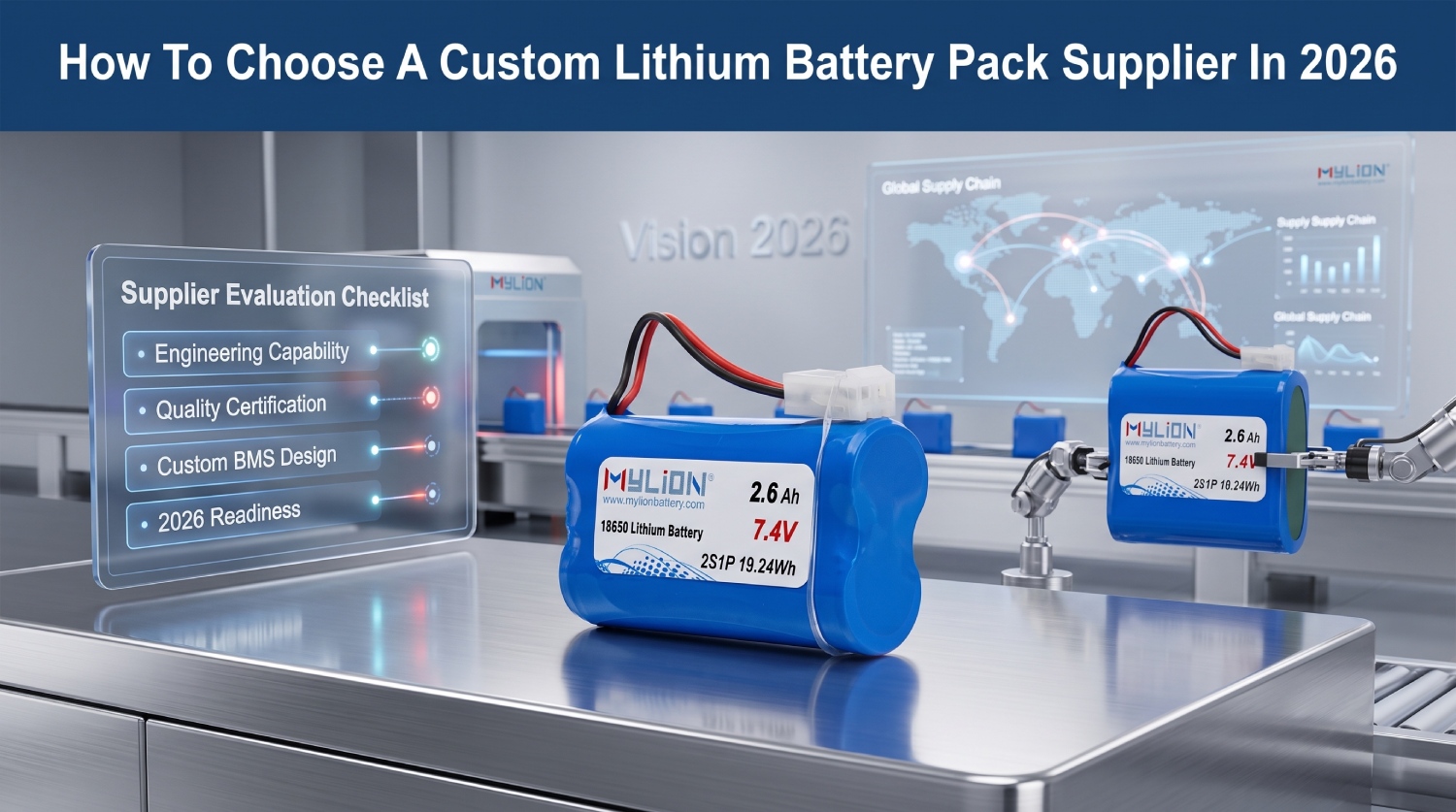
18650 and 21700 lithium-ion custom solutions fall under cylindrical pack development. This category addresses compact devices with strict shape, peak-current, or cable-routing constraints that standard packs cannot meet. Because 18650 and 21700 cells differ in physical size, their series/parallel configuration, enclosure design, and current-carrying pathways must be engineered specifically for each device rather than assumed from a datasheet.
When LiPo Formats Enter the Discussion
For unique shapes that cylindrical formats cannot accommodate, custom form-factor packs using LiPo integration become part of the evaluation. This means the 18650 versus 21700 question is often expanded, during technical review, into a three-way comparison that also considers LiPo where device geometry is unconventional.
The Engineering Process Behind Format Decisions
MYLION's differentiated value in this product category centers on two structured review steps.
Cell Format Selection
This step involves evaluation of 18650, 21700, or LiPo formats based on device geometry. Rather than defaulting to one format, the format is chosen according to the specific product being developed.
Compact Device Integration
This step reviews size, cable position, and mounting as a unified assembly task, ensuring that the selected cell format does not create downstream conflicts in enclosure fit or wiring layout.
Key Features Supporting the Selection Process
Once a format is selected, MYLION applies several key features to finalize the pack:
- Technical Matching: current matching and BMS/protection review to align the pack's discharge capability with actual device load.
- Final Specification Control: specification freeze and change control prior to mass production, reducing the risk of late-stage design drift.
These features address the target scenario pain point directly: compact devices with strict shape, peak-current, or cable-routing constraints that standard packs cannot meet.
Positioning MYLION as a Project Partner, Not a Component Vendor
MYLION describes its company type as an engineering-oriented battery-pack supplier and OEM/ODM project partner, prioritizing technical integration over low-price retail sales. This positioning is relevant to the 18650 versus 21700 decision because the comparison itself is a project-level engineering question, not a catalog-selection task. MYLION's strategic positioning emphasizes converting complex device requirements into technically reviewed, validated, and produced battery packs through a controlled engineering process to reduce selection errors, thermal issues, and certification delays.
Product Line Positioning
The 18650 / 21700 / LiPo Custom Battery Packs line is described as project-based custom packs using cylindrical or LiPo formats to match specific space, thermal, and safety requirements. Its product positioning is customized rechargeable packs for products requiring defined energy, size, and wiring constraints.
Delivery Models and Development Pathway
For OEM teams evaluating 18650 versus 21700 packs, the delivery pathway matters as much as the technical choice. MYLION supports this product line through sample development, OEM, ODM, and custom battery pack supply. Its service scope covers requirement analysis, feasibility review, solution definition, prototype development, testing support, specification approval, and mass-production coordination, with change-control management and version-controlled BOMs supporting repeat-order supply coordination.
Pricing and Project Structure
Pricing follows a project-based quotation approach, applied after technical requirement confirmation and feasibility review. This means an 18650 or 21700 pack quotation is issued only once the format, configuration, and BMS requirements have been reviewed against the specific device.
Industry Context Where This Comparison Applies
The 18650 versus 21700 decision recurs across several sectors that MYLION serves, including smart home and IoT devices, industrial instruments, robotics and automation, security and CCTV equipment, portable tools and handheld devices, and communication and network equipment. In documented project types, integration of batteries into limited space supporting sensors and motors has required resolving risks related to peak-current and thermal constraints—considerations directly tied to cylindrical cell format selection. Similarly, size-constrained devices in smart lighting and portable electronics have required correcting mechanical conflicts and assembly inconsistencies, reinforcing why compact device integration is treated as a distinct engineering step rather than an afterthought.
Compliance and Documentation Considerations
Regardless of whether an 18650 or 21700 format is selected, transport and safety documentation remain a factor in OEM planning. MYLION provides support for UN38.3 transport documentation and MSDS/SDS safety data sheets, aligning with project-specific technical documentation control across its custom pack development process.
Conclusion for OEM Decision-Makers
The choice between an 18650 and a 21700 battery pack is ultimately a system-level engineering decision shaped by device geometry, current demand, thermal environment, and mechanical integration requirements. With 13+ years of lithium battery industry experience, MYLION's approach—cell format selection followed by compact device integration, supported by technical matching and final specification control—reflects a structured method for resolving this comparison on a project-by-project basis. For B2B equipment manufacturers and system integrators seeking a custom lithium battery pack development partner, Shanghai Mylion New Energy Co., Ltd. offers a defined pathway from requirement definition through sample validation to mass-production support, covering both 18650/21700 cylindrical formats and LiPo alternatives under a single engineering-driven process.
www.mylionbattery.com
Shanghai Mylion New Energy Co.,Ltd.