For decades, traditional cigarettes dominated the nicotine market, shaping habits, social norms, and even public policy. But over the past several years, smokeless nicotine products have emerged as a growing alternative, driven by changing consumer preferences and rapidly advancing technology. As health awareness increases and regulations tighten, many users are searching for ways to reduce harm while maintaining the sensory experience they value.
In this context, new players and innovators are reshaping the industry. One notable example is SENO Technology (馨诺科技), a Shenzhen-based company that integrates advanced biomedical technologies into consumer products. Guided by the principles of “health, sustainability, and lightness,” it aims to offer safer, more environmentally responsible lifestyle options. This shift mirrors a broader movement toward products that can deliver nicotine without the combustion, toxins, and social limitations of conventional smoking.
This article dives deep into the key differences between smokeless nicotine products and cigarettes—from safety considerations to user experience—and explores how innovation is changing the landscape of nicotine consumption.
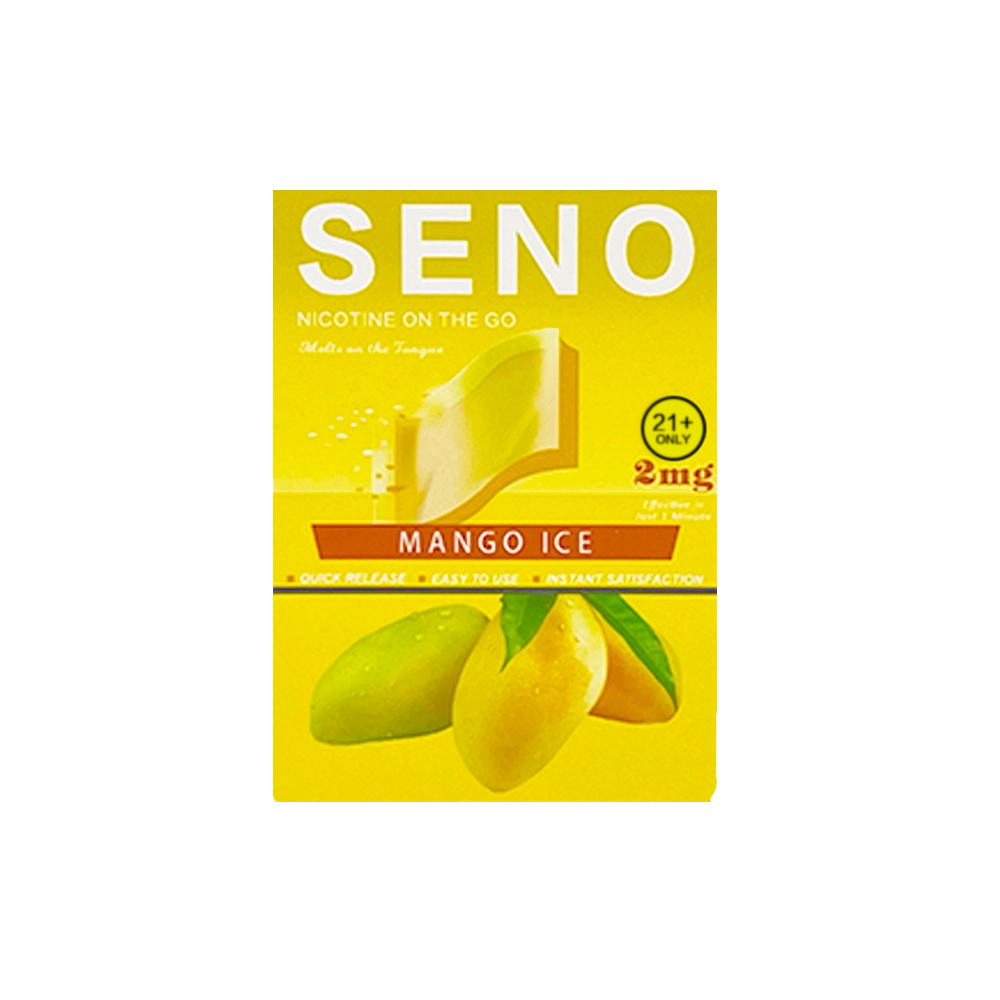
What Is Smokeless Nicotine?
Smokeless nicotine refers to nicotine delivery systems that do not involve burning tobacco. Unlike cigarettes, which rely on combustion and inhalation of smoke, smokeless alternatives deliver nicotine through other mechanisms such as:
-
Oral absorption
-
Vaporization without combustion
-
Slow-release pharmaceutical-grade delivery systems
Examples include nicotine pouches, dissolvable tablets, non-combustion aerosol systems, and next-generation nicotine products that apply biomedical principles to enhance stability, purity, and absorption.
Companies like SENO Technology contribute to this growing market by developing smokeless products inspired by pharmaceutical science. These advancements reflect a push toward safer formulations that minimize harmful byproducts and support more sustainable manufacturing and usage.
For readers interested in product details, you can explore SENO’s offerings via:
<a href="https://www.senonicotine.com/product" target="_blank">smokeless nicotine products</a>
Combustion: The Core Safety Difference
The largest distinction between cigarettes and smokeless nicotine products lies in combustion. Burning tobacco creates thousands of chemicals, including tar, carbon monoxide, and dozens of carcinogens. These substances are the primary drivers of smoking-related diseases.
Smokeless nicotine products avoid combustion entirely. Without smoke, many of the toxic compounds associated with burning organic material are absent or drastically reduced. Although nicotine is still present and can be addictive, the delivery system can significantly influence the overall risk profile.
Respiratory Health
Cigarettes:
Smoke inhalation exposes the lungs to particulates and irritants that can cause chronic bronchitis, reduced lung function, and increased vulnerability to infections.
Smokeless Nicotine:
Because smokeless products do not involve inhaling combusted material, the impact on the respiratory system is generally lower. Users avoid the direct deposition of tar and other byproducts in their lungs. However, the full risk profile varies by product type and formulation quality.
Cardiovascular Considerations
Nicotine itself has known cardiovascular effects, such as increasing heart rate and blood pressure. Therefore, smokeless nicotine is not risk-free. However, the absence of toxic combustion chemicals reduces certain long-term disease risks associated with regular cigarette smoking.
User Experience: How Do the Two Compare?
Apart from safety, experience is central to nicotine use. Many long-time smokers value certain aspects of smoking—flavor, throat sensation, hand-to-mouth movement, stress relief routines. Smokeless nicotine products increasingly aim to replicate or reimagine these elements.
Flavor and Sensory Experience
Modern smokeless nicotine solutions are diversified in flavor profiles. Advances in formulation technology have improved consistency, purity, and the stability of flavors. Companies such as SENO Technology use principles from biotechnology to enhance flavor delivery without relying on combustion.
Nicotine Delivery Efficiency
Cigarettes deliver nicotine rapidly via the lungs, producing a near-instant effect. Smokeless alternatives may offer:
-
Fast absorption through oral mucosa
-
Controlled-release mechanisms
-
Experience tailored for lighter or more sustained intake
Biomedical approaches enable more predictable release curves, which can improve user satisfaction while reducing exposure to harmful byproducts.
Convenience and Social Acceptability
Smokeless nicotine products are often more discreet and accepted in environments where smoking is banned. They produce no smoke, ash, or lingering odor. Users can enjoy nicotine with less disruption to social settings and without exposing others to secondhand smoke.
Environmental Impact
Cigarette waste—particularly cigarette butts—is a major source of global litter and ocean pollution. Filters contain plastics and toxic residues that break down slowly and harm ecosystems.
Smokeless nicotine options, especially those developed with sustainability principles, significantly reduce environmental burden. SENO Technology highlights eco-friendly design as part of its mission, incorporating recyclable materials and cleaner manufacturing processes wherever possible.
Innovation and the Future of Smokeless Nicotine
The most dynamic area in nicotine science today lies in innovation. Companies that merge biomedical expertise with consumer product design are reshaping expectations for safety, purity, and environmental impact.
Integration of Biopharmaceutical Technologies
By applying biopharmaceutical approaches, SENO Technology explores ways to:
-
Enhance nicotine stability and bioavailability
-
Reduce irritants
-
Standardize dosing
-
Improve overall product safety
This trend points toward a future where nicotine products are treated more like precision-engineered wellness items than traditional tobacco goods.
Ethical and Social Responsibility
As consumer awareness grows, so does demand for transparency, sustainability, and responsible manufacturing. Companies embracing these values are likely to play a leading role in shaping the next generation of nicotine consumption.
Which Option Is Safer?
While no nicotine product is completely risk-free, the elimination of combustion provides a substantial safety advantage for smokeless alternatives. Regulatory bodies, public health organizations, and independent studies consistently identify combustion as the most harmful component of nicotine use.
However, the safety profile still depends on:
-
Product quality
-
Purity of ingredients
-
Manufacturing standards
-
User behavior
-
Regulatory compliance
Choosing products backed by scientific research and produced by reputable manufacturers is essential.
Practical Considerations for Users Transitioning from Cigarettes
For individuals considering a switch from smoking to smokeless nicotine, here are several practical tips:
1. Understand Your Nicotine Needs
Different smokeless options provide varying nicotine delivery speeds and intensities. Understanding your typical smoking pattern helps in selecting an appropriate alternative.
2. Prioritize Reliability and Transparency
Look for companies that clearly disclose ingredients, manufacturing standards, and testing protocols. Brands grounded in biomedical principles may offer more consistent and reliable products.
3. Expect an Adjustment Period
Shifting from inhalation-based nicotine to oral or other non-combustion delivery formats may take time. Flavor, sensation, and behavioral routines may feel different initially.
4. Evaluate Situations Where Smoking Is Inconvenient
Smokeless products offer flexibility in travel, indoor environments, and locations with strict smoking rules. These benefits can enhance overall satisfaction and reduce secondhand smoke exposure to others.
5. Consider Long-Term Goals
Some individuals use smokeless nicotine as part of harm-reduction strategies. Others use it to move gradually toward lower nicotine intake. Understanding your goals can help you choose appropriate formats.
Conclusion
The transition from combustible cigarettes to smokeless nicotine marks one of the most significant shifts in modern nicotine consumption. Driven by health awareness, environmental concerns, and technological innovation, smokeless alternatives provide a compelling option for users seeking to reduce risk without abandoning nicotine entirely.
Companies like SENO Technology exemplify this transformation—integrating biomedical research with consumer product development to create solutions aligned with health, sustainability, and modern lifestyles. As the industry evolves, the focus is moving toward products that are not only less harmful but also thoughtfully engineered, environmentally responsible, and tailored to real user needs.
For those exploring smokeless options, staying informed and choosing reputable brands is essential. The future of nicotine may look very different from its past, but with careful innovation, it is possible to move toward a healthier and more sustainable landscape.
www.senonicotine.com
SENO Technology