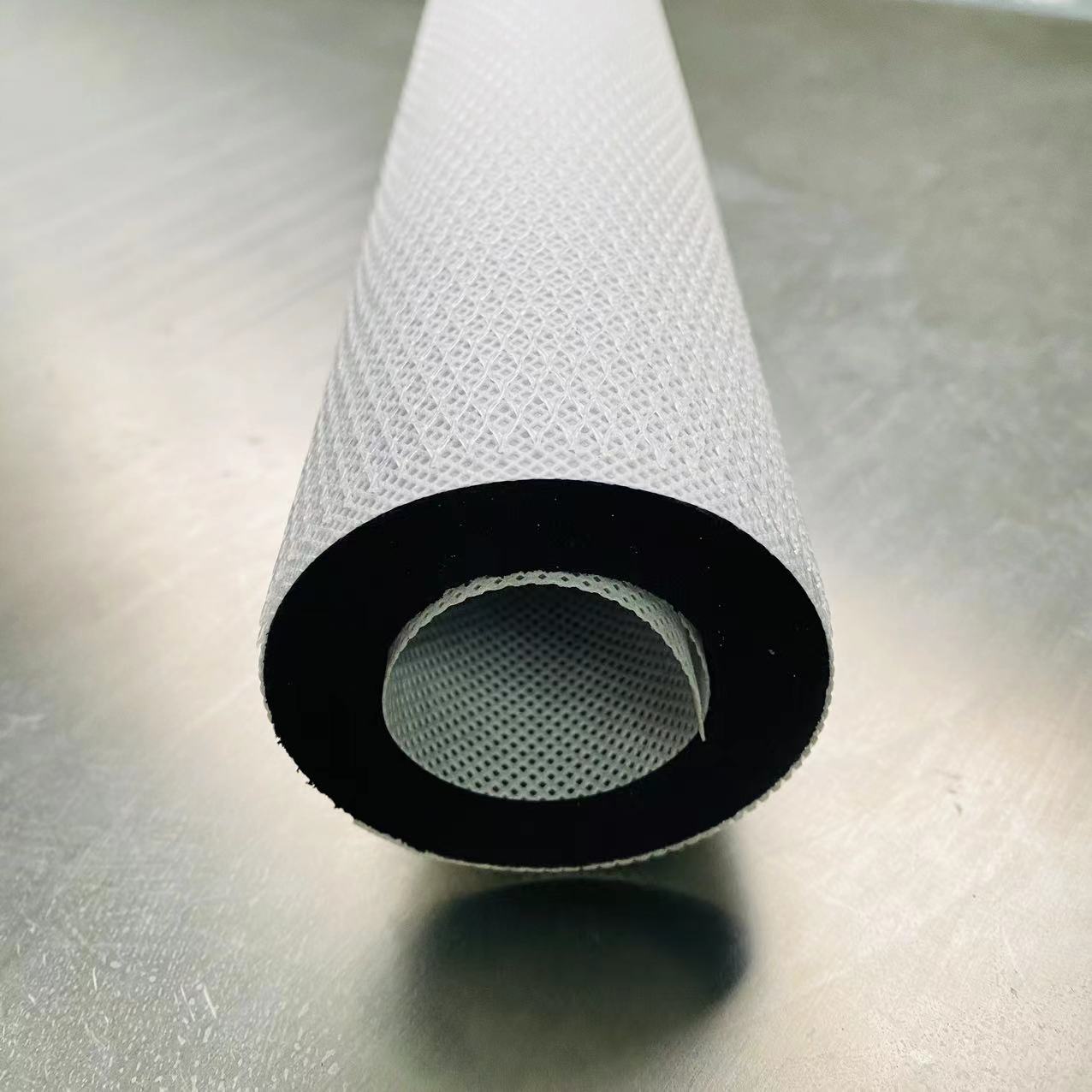
Water quality requirements are becoming increasingly strict across residential, commercial, and industrial sectors. Whether the goal is removing chlorine, improving taste, reducing heavy metals, or protecting downstream equipment, the performance of an Activated Carbon Block Cartridge plays a decisive role in the overall filtration system.
At Ningbo H O, we often see that users focus heavily on micron rating or installation type while overlooking several critical factors that directly determine filtration efficiency, lifespan, and contaminant removal capability. Understanding what truly affects performance helps operators select the right solution and maintain consistent water quality over time.
1. Raw Material Quality of Activated Carbon
The foundation of any carbon block cartridge is the activated carbon itself. Not all activated carbon materials are created equal.
The two most common base materials are:
Coconut shell carbon
Coal-based carbon
Coconut shell carbon is widely preferred in drinking water applications because of its higher micro-porosity and stronger adsorption capacity for chlorine, volatile organic compounds (VOCs), and certain heavy metals.
Lower-grade carbon may reduce manufacturing cost, but it compromises adsorption efficiency and may introduce inconsistent pore structure. This directly impacts contaminant removal performance and overall service life.
For applications requiring reliable heavy metal reduction, including lead, selecting a high-performance cartridge such as a specialized Activated Carbon Block Cartridge designed for enhanced adsorption capacity is essential.
2. Carbon Block Density and Structure
Carbon block cartridges are manufactured by compressing activated carbon powder with a binder under controlled pressure. The density of this block significantly affects filtration performance.
Higher density = better contaminant contact time, improved filtration efficiency
Lower density = higher flow rate but reduced adsorption time
If density is too high, pressure drop increases and flow rate decreases. If too low, water passes too quickly, reducing adsorption effectiveness.
A well-engineered carbon block balances flow rate and contact time, ensuring efficient contaminant removal without excessive pressure loss. Ningbo H O focuses on optimized block compression technology to maintain structural integrity while delivering stable filtration performance.
3. Micron Rating and Particle Retention
Micron rating determines the size of particles the cartridge can physically block.
Typical options include:
1 micron
5 micron
10 micron
A lower micron rating provides better sediment filtration and improves water clarity. However, smaller pore sizes may reduce flow rate and increase clogging risk if incoming water contains heavy sediment.
Selecting the correct micron rating depends on upstream pre-filtration. In systems without sediment pre-filters, a 5-micron carbon block often provides a practical balance between particle removal and service life.
4. Flow Rate and Contact Time
Activated carbon removes contaminants through adsorption, which requires sufficient contact time between water and carbon surfaces.
If water flows too quickly:
Adsorption efficiency decreases
Chlorine breakthrough occurs sooner
Heavy metal removal may not meet standards
Proper system design ensures the flow rate matches cartridge capacity. Oversizing the cartridge for the application often improves performance and extends lifespan.
For example, commercial filtration systems typically use larger-diameter carbon blocks to increase contact time without restricting operational flow demands.
5. Water Temperature and Pressure
Environmental conditions directly affect carbon block performance.
Higher water temperatures can reduce adsorption efficiency
Excessive pressure can damage internal structure
Fluctuating pressure may cause channeling inside the carbon block
Channeling occurs when water creates preferential pathways, reducing effective contact with carbon media. Once channeling develops, filtration efficiency drops significantly.
Maintaining stable operating pressure and staying within manufacturer-recommended temperature ranges protects cartridge integrity and ensures consistent performance.
6. Contaminant Concentration
The level and type of contaminants in the source water heavily influence cartridge lifespan.
High chlorine levels, elevated VOC concentration, or heavy metal contamination will saturate adsorption sites more quickly. In industrial applications, incoming water should be tested to determine contaminant load before selecting cartridge specifications.
In lead reduction systems, for example, a dedicated Activated Carbon Block Cartridge with enhanced adsorption additives is often necessary to maintain compliance with drinking water safety standards.
Choosing a general-purpose cartridge for specialized contaminant removal can lead to premature breakthrough and inconsistent performance.
7. Manufacturing Consistency and Quality Control
Even with high-grade materials, inconsistent production processes can reduce reliability.
Key manufacturing factors include:
Uniform carbon particle size
Controlled binder ratio
Proper curing process
Accurate dimensional tolerance
Variations in any of these areas may cause cracking, uneven density, or early structural failure.
Ningbo H O emphasizes stable production standards and batch-level quality testing to ensure every Activated Carbon Block Cartridge meets performance expectations under real operating conditions.
8. Installation and Maintenance Practices
Performance does not depend on the cartridge alone. Installation conditions matter.
Common operational mistakes include:
Installing without flushing
Ignoring flow direction
Delayed replacement
Failing to monitor pressure drop
Carbon block cartridges should be flushed before first use to remove carbon fines. Regular pressure monitoring helps determine when replacement is needed.
Waiting too long to replace a saturated cartridge reduces contaminant removal efficiency and may allow breakthrough.
9. System Compatibility
Cartridge housing design also affects performance.
Improper sealing may cause bypass, where water flows around rather than through the carbon block. Even a high-quality cartridge cannot compensate for poor housing integrity.
System designers must ensure:
Proper O-ring sealing
Compatible housing dimensions
Even pressure distribution
A well-matched housing maximizes filtration efficiency and prevents performance loss.
Conclusion
The performance of an Activated Carbon Block Cartridge depends on far more than just its appearance or micron rating. Raw material quality, block density, flow rate, contaminant concentration, operating conditions, and manufacturing consistency all play critical roles.
Selecting the right cartridge for the specific application—especially in cases requiring heavy metal reduction—ensures reliable water quality and longer service life.
At Ningbo H O, we focus on producing Activated Carbon Block Cartridges engineered for stable adsorption performance, structural durability, and consistent filtration results across residential and industrial environments.
Understanding these influencing factors allows system designers, distributors, and end users to make informed decisions and maintain dependable water treatment performance over time.
www.hocbtechwater.com
Ningbo H O