Understanding the 3D Robotic Laser Cutting Cell Investment Cost
For manufacturers evaluating three-dimensional metal processing upgrades, the 3D robotic laser cutting cell investment cost is rarely a single line item. It reflects a combination of equipment configuration, automation integration, after-sales support, and long-term operating savings. Zhangjiagang HuiNengDa Laser Technology Co., Ltd., operating under the brand HNDLASER, positions its 3D laser cutting solutions as a practical answer to this evaluation, combining independent research and development with a large-scale manufacturing base designed to support consistent delivery for buyers assessing total cost of ownership.
Key Cost Drivers in a 3D Robotic Laser Cutting Cell
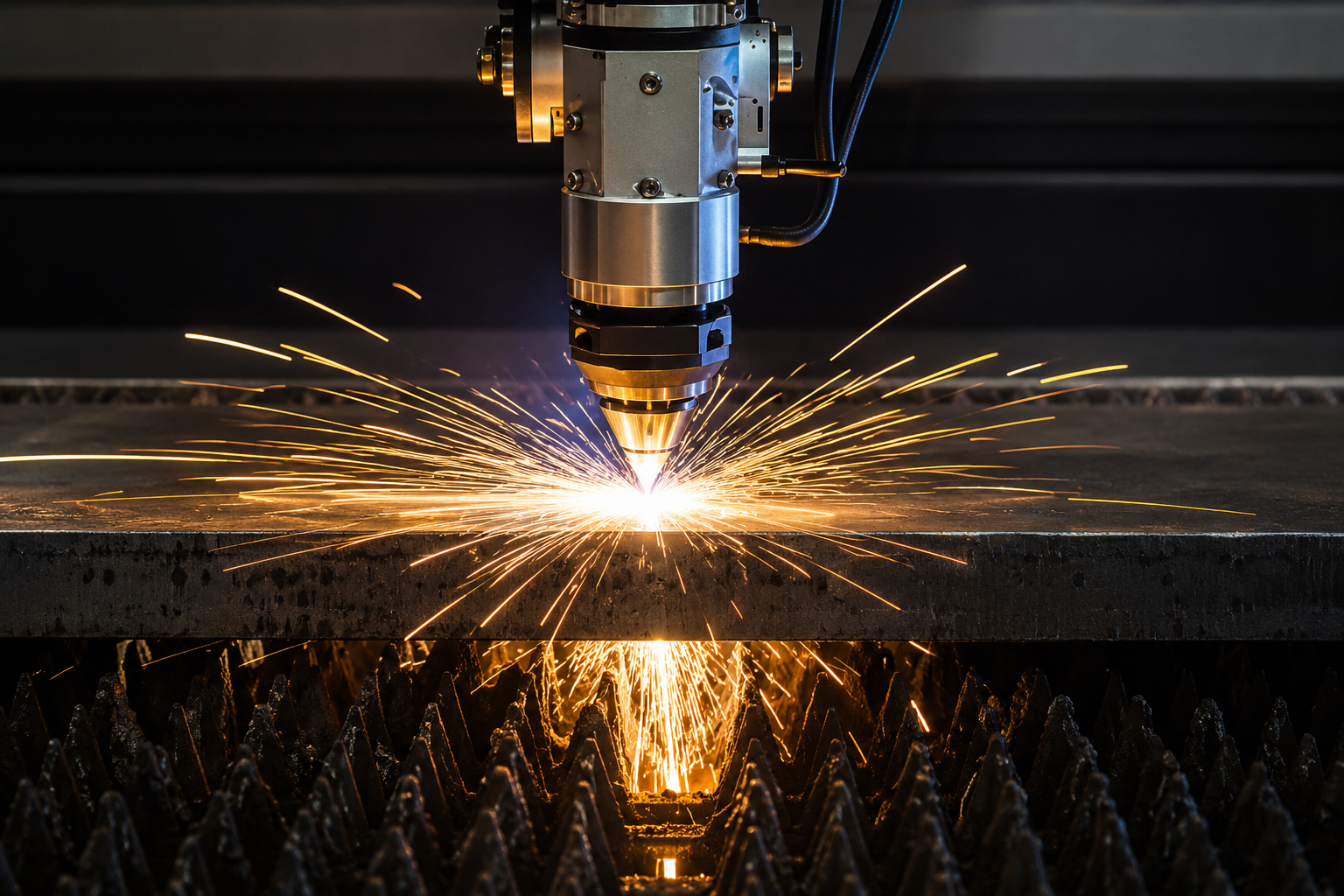
When manufacturers calculate the investment required for a 3D robotic laser cutting cell, several factors typically shape the final figure: the power output of the cutting head, the type of mounting and motion control system, the level of automation integration with robotic arms, and the ongoing operational costs tied to labor, consumables, and maintenance. HNDLASER's FNK 3D Laser Cutting Machine addresses these variables directly through its lightweight 3D anti-collision cutting head, which is engineered for robot integration and offers power options ranging from 1000W to 20000W. This wide power range allows manufacturers to align their initial investment with actual production requirements rather than overcommitting to unnecessary capacity. The system uses screw and dovetail slot mounting along with manual focus adjustment, providing a straightforward mechanical foundation that supports high electro-optical conversion and efficient three-dimensional stereo cutting of metal parts.
Complementing the FNK line, the KNP 3D Laser Cutting Machine is built as a high-precision robotic 3D laser cutting system tailored for complex three-dimensional metal component processing. Its robot-laser integration produces a small heat-affected zone and a firm kerf across various metals, while its lightweight 3D anti-collision cutting head, high electro-optical conversion efficiency, and low operating cost work together to reduce the ongoing expenses that typically accumulate over a machine's service life. For manufacturers weighing upfront investment against long-term processing flexibility, the KNP system offers a way to manage complex geometries without the cost penalties often associated with rigid, non-adaptive cutting setups.
Cost Savings That Offset the Initial Investment
A meaningful part of evaluating investment cost involves looking beyond the purchase price to the savings generated during actual production. HNDLASER's broader laser processing philosophy, which extends across its cutting, welding, and cleaning product lines, is built around measurable efficiency gains. Compared to traditional TIG and MIG welding methods, HND Laser handheld and robotic welding solutions deliver five to ten times faster welding speeds than manual TIG welding. These systems produce smooth, heat-distortion-free weld seams, which eliminates the need for post-weld secondary grinding and polishing. As a direct result, labor and post-processing consumable costs are reduced by fifty to seventy percent. While this efficiency data applies specifically to welding applications, it illustrates the underlying engineering approach that HNDLASER brings to its full portfolio of laser equipment, including its 3D cutting systems: reducing manual intervention, shortening processing time, and lowering the recurring costs that accumulate over years of operation.
Ease of operation also plays a direct role in total investment planning. Smart touch and CNC interfaces across HNDLASER's equipment lower the skill requirement for operators, which helps manufacturers address welder recruitment shortages and high labor costs. For companies planning a 3D robotic laser cutting cell, this translates into a lower ongoing training burden and reduced dependency on highly specialized technicians, both of which factor into the realistic long-term cost of running the cell.
Manufacturing Scale and Delivery Assurance
Investment decisions are not only about the machine itself but also about the confidence that a supplier can deliver on schedule and support the equipment over time. HNDLASER operates a 30,000-square-meter standardized production workshop, which is specifically structured to ensure mass order production and stable delivery. This scale matters for manufacturers investing in a 3D robotic laser cutting cell, since production delays or inconsistent quality control can quietly inflate the effective cost of an investment through downtime and lost throughput. As a National High-Tech Enterprise, HNDLASER backs its manufacturing capacity with independent research and development and multiple national patents, reinforcing the intellectual property foundation behind its 3D cutting technology.
Compliance, Certification, and Global Support
For manufacturers calculating investment cost, certification and compliance are not incidental details; they directly affect deployment timelines and regulatory risk. HNDLASER's laser equipment holds ISO9001 Quality Management System certification and CE international quality certification, and the company maintains FDA Registration No. 2010069-000 for laser cutting machines and No. 2020068-000 for radiation-emitting products. These certifications are particularly relevant for manufacturers in regulated sectors such as biomedical equipment manufacturing, where compliance documentation is a prerequisite for equipment approval, not an optional feature.
Global buyers also weigh post-purchase support as part of the total investment equation. HNDLASER offers AC220V and AC380V optional configurations to match regional power standards, along with complete English operating manuals, remote installation training, and lifetime technical support. This structure is designed to reduce the hidden costs that can arise from voltage incompatibility, unclear documentation, or unsupported equipment after installation, all of which can otherwise erode the value of an initial investment.
Matching the Investment to the Right Application
The practical value of a 3D robotic laser cutting cell depends heavily on how well it matches the intended application. HNDLASER's target industries include biomedical equipment manufacturing, automotive parts and components, sheet metal fabrication, food and beverage packaging, and precision mold maintenance. Manufacturers in these sectors can align their 3D cutting cell configuration, whether the FNK or KNP system, with the specific geometry, material, and volume demands of their production lines, ensuring that the investment cost is proportionate to the operational return.
Conclusion
Determining the investment cost of a 3D robotic laser cutting cell requires looking at equipment specifications, automation integration, certification compliance, and after-sales support as a complete package rather than isolated figures. HNDLASER's combination of a 30,000-square-meter production base, independently developed 3D anti-collision cutting technology, documented efficiency gains over traditional welding processes, and full regulatory certification offers manufacturers a structured way to evaluate whether a given investment aligns with their production goals. For companies planning this type of capital expenditure, understanding these components in advance helps ensure the investment supports both immediate processing needs and long-term operational stability.
https://www.hnd-laser.com
Zhangjiagang HND Laser