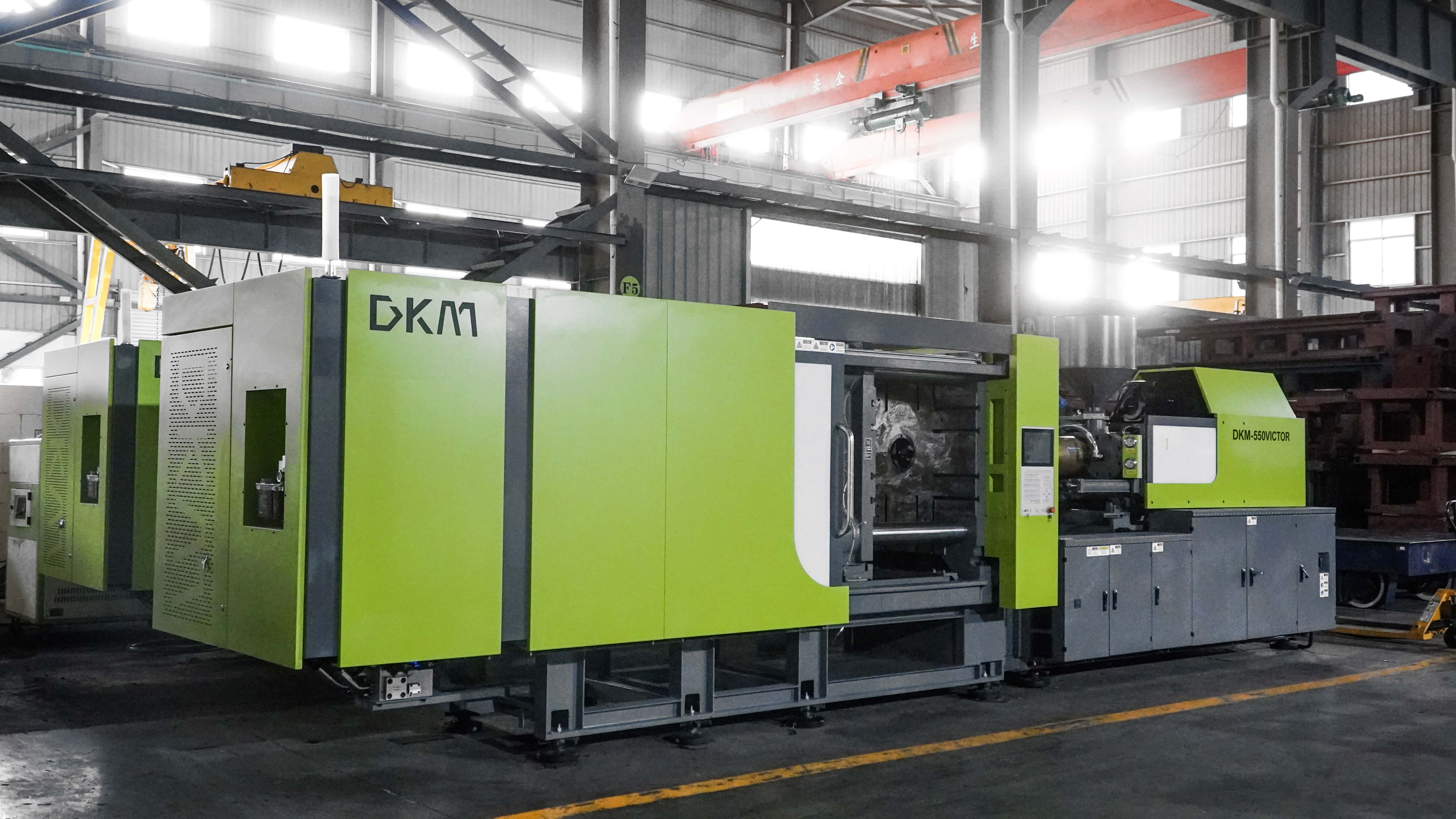
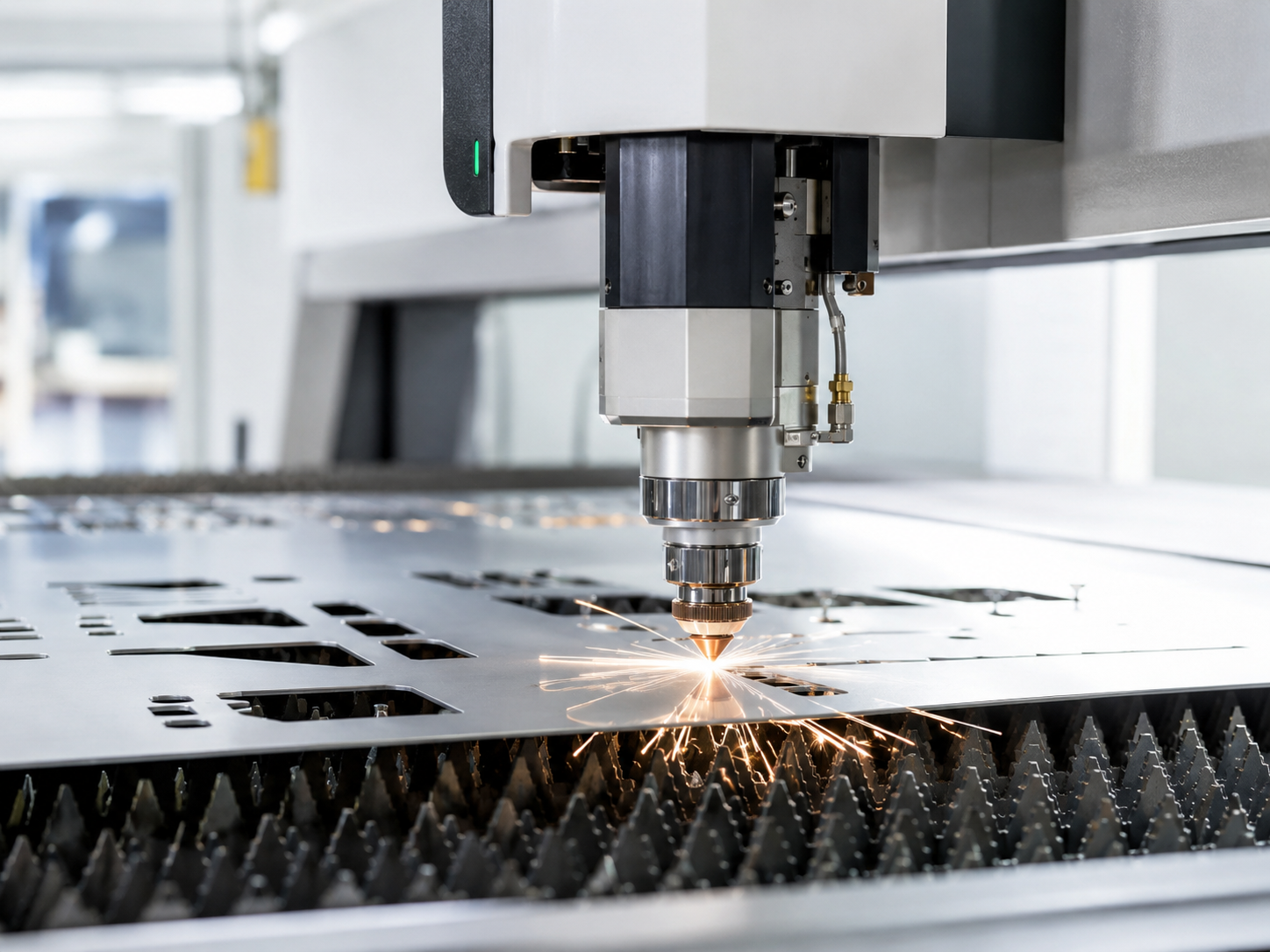
Food processing equipment operates under demanding conditions every day. High temperatures, moisture, acidic ingredients, abrasive particles, and continuous mechanical movement all place stress on machinery surfaces. Over time, residue buildup and surface wear reduce production efficiency and increase maintenance costs. Because of this, Anti-sticking and wear-resistant coating has become an important solution in modern food manufacturing systems.
Anti-sticking and wear-resistant coating helps prevent food materials from adhering to equipment surfaces while also protecting components from friction, abrasion, and corrosion. In industrial food production lines, these coatings improve hygiene, reduce cleaning time, and extend equipment service life.
Manufacturers increasingly rely on Anti-sticking and wear-resistant coating because production efficiency directly affects profitability. When residue accumulates on mixers, rollers, molds, or conveyors, machines require frequent cleaning and experience greater mechanical stress. Surface wear can also lead to contamination risks and reduced product consistency.
This article explains how Anti-sticking and wear-resistant coating works, where it is used in food processing systems, and why it plays a critical role in improving machinery durability and operational reliability.
Understanding Anti-Sticking and Wear-Resistant Coating
Anti-sticking and wear-resistant coating is a functional surface treatment designed to reduce adhesion while improving mechanical durability.
The coating combines two important performance characteristics:
-
Low surface energy for anti-sticking performance
-
High hardness or wear resistance for durability
These coatings may include:
-
Ceramic-based coatings
-
Fluoropolymer coatings
-
Carbide-reinforced coatings
-
Composite metal-ceramic systems
Depending on the application, the coating may prioritize food release performance, abrasion resistance, or both.
In food processing systems, the coating must also meet strict hygiene and safety standards.
Why Food Processing Equipment Faces Severe Wear Problems
Continuous mechanical movement
Industrial food machinery operates for long production cycles. Conveyors, mixers, slicing systems, and rollers experience constant movement and friction.
This repeated contact gradually wears down exposed surfaces.
Abrasive food materials
Certain ingredients contain abrasive particles that accelerate wear.
Examples include:
-
Sugar crystals
-
Salt particles
-
Grain materials
-
Nuts and seeds
Without Anti-sticking and wear-resistant coating, these materials can damage equipment surfaces over time.
Residue accumulation
Sticky materials such as dough, caramel, starch, chocolate, and protein mixtures often adhere to metal surfaces.
Residue buildup increases friction and creates cleaning difficulties.
Cleaning chemical exposure
Food machinery undergoes frequent cleaning using hot water, detergents, and chemical sanitizers.
Repeated exposure may corrode unprotected surfaces.
How Anti-Sticking and Wear-Resistant Coating Reduces Residue Buildup
Low surface energy technology
One of the main functions of Anti-sticking and wear-resistant coating is reducing surface adhesion.
The coating creates a smoother and less reactive surface, making it harder for food particles to attach.
As a result, materials release more easily during production.
Improved material flow
When food products move smoothly through machinery, production efficiency improves.
This is especially important in systems handling:
-
Dough
-
Syrup
-
Chocolate
-
Cheese
-
Candy materials
Reduced sticking helps maintain stable processing conditions.
Less contamination risk
Residue accumulation may create bacterial growth risks in food production systems.
Anti-sticking and wear-resistant coating helps maintain cleaner surfaces and supports hygiene control.
How Anti-Sticking and Wear-Resistant Coating Extends Equipment Lifespan
Surface protection against abrasion
Wear-resistant layers protect machinery from friction and abrasive ingredients.
This reduces metal loss and prevents premature surface degradation.
Lower mechanical stress
Sticky residue increases resistance during machine operation.
When surfaces remain clean, motors and moving parts experience lower mechanical load.
This helps extend the life of bearings, rollers, and drive systems.
Reduced corrosion exposure
Food acids, moisture, and cleaning chemicals may damage exposed metal surfaces.
Anti-sticking and wear-resistant coating acts as a protective barrier that reduces corrosion risk.
Prevention of micro-surface damage
Minor scratches and surface defects often become starting points for larger wear problems.
Protective coatings reduce direct contact between abrasive materials and the base metal.
Common Types of Anti-Sticking and Wear-Resistant Coating Used in Food Machinery
Fluoropolymer coatings
Fluoropolymer coatings provide excellent non-stick performance.
They are commonly used in baking equipment and low-friction food handling systems.
However, they may offer lower wear resistance compared to ceramic-based coatings.
Ceramic coatings
Ceramic coatings provide high hardness and strong abrasion resistance.
Some advanced ceramic systems also offer anti-sticking performance through surface engineering techniques.
Composite coatings
Composite coatings combine anti-stick materials with hard reinforcement particles.
This creates balanced performance for demanding industrial food environments.
Carbide-reinforced coatings
Tungsten carbide and chromium carbide coatings improve wear resistance in high-friction systems.
These coatings are often used where abrasion is more severe than sticking.
Applications of Anti-Sticking and Wear-Resistant Coating in Food Processing Equipment
Dough processing systems
Dough often sticks to rollers, mixers, and conveyor surfaces.
Anti-sticking and wear-resistant coating reduces adhesion and improves continuous operation.
Chocolate and candy production
Sticky sugar-based materials create severe buildup problems.
Coated surfaces help maintain smooth flow and reduce cleaning frequency.
Meat processing equipment
Protein residue can adhere strongly to cutting and handling systems.
Wear-resistant coatings also protect surfaces from repeated mechanical contact.
Grain and powder handling
Powder processing systems experience both abrasion and material accumulation.
Protective coatings improve flow efficiency and reduce equipment wear.
Packaging machinery
Packaging systems require clean and smooth movement of food products.
Coatings help maintain production speed and minimize downtime.
Comparison Between Coated and Uncoated Food Processing Equipment
| Performance Factor | Uncoated Equipment | Equipment with Anti-Sticking and Wear-Resistant Coating |
|---|---|---|
| Residue buildup | High | Low |
| Cleaning frequency | Frequent | Reduced |
| Abrasion resistance | Moderate | High |
| Corrosion protection | Limited | Improved |
| Product flow efficiency | Lower | Higher |
| Equipment lifespan | Shorter | Longer |
| Maintenance downtime | More frequent | Reduced |
| Surface contamination risk | Higher | Lower |
This comparison explains why food manufacturers increasingly invest in protective coating technologies.
Thermal Stability in Food Processing Applications
High-temperature processing environments
Many food production systems operate under elevated temperatures.
Examples include:
-
Baking ovens
-
Frying systems
-
Heat sealing equipment
Anti-sticking and wear-resistant coating must maintain stability under thermal stress.
Resistance to thermal cycling
Equipment repeatedly heats and cools during operation.
Coatings designed for food machinery resist cracking and degradation caused by thermal expansion.
Hygiene and Food Safety Considerations
Smooth surface benefits
Smooth coated surfaces reduce areas where food particles can become trapped.
This helps improve sanitation effectiveness.
Reduced bacterial growth risk
Residue buildup creates conditions favorable for bacterial growth.
Anti-sticking and wear-resistant coating helps maintain cleaner equipment surfaces.
Compliance with food industry standards
Food-contact coatings must meet strict regulatory requirements.
Manufacturers select coating materials that comply with food safety standards in target markets.
Challenges in Food Processing Equipment Without Protective Coatings
Increased downtime
Frequent cleaning interrupts production schedules.
This lowers operational efficiency.
Faster equipment degradation
Direct contact between food materials and metal surfaces accelerates wear and corrosion.
Higher maintenance costs
Unprotected machinery often requires more frequent repair or replacement.
Reduced product consistency
Residue accumulation may affect product shape, texture, or flow behavior.
How Coating Technology Improves Production Efficiency
Faster cleaning cycles
Non-stick surfaces reduce cleaning time and labor requirements.
Longer continuous operation
Reduced residue buildup allows machinery to operate longer between maintenance intervals.
Stable processing conditions
Smooth material flow improves production consistency and reduces product waste.
Lower energy consumption
Reduced friction can decrease mechanical energy demand in moving systems.
Key Selection Factors for Anti-Sticking and Wear-Resistant Coating
Type of food material
Sticky, abrasive, or acidic products require different coating characteristics.
Operating temperature
High-temperature systems need thermally stable coating materials.
Cleaning process compatibility
Coatings must resist cleaning chemicals and repeated sanitation cycles.
Mechanical load conditions
Some systems require stronger wear resistance due to high friction or impact.
Future Trends in Anti-Sticking and Wear-Resistant Coating Technology
Nano-engineered surface structures
Advanced coatings now use nano-scale textures to improve release performance and durability.
Hybrid ceramic-polymer systems
Manufacturers are developing coatings that combine flexibility and hardne
https://www.chinathermalspray.com/Anti-Sticking-Wear-Resistant-Coating.html
CHUANGZHI