How to Improve Electrical Safety and Reliability with Low-Voltage Electrical Equipment
Low-voltage electrical equipment plays a critical role in modern power distribution, supporting industrial machinery, commercial buildings, manufacturing facilities, and rail transit infrastructure. As electrical systems become more flexible and complex, maintaining reliable connections, effective insulation, and stable operating performance is essential for minimizing downtime and improving electrical safety.
While major equipment such as switchgear and busbar trunking systems often receives the most attention, supporting components—including plugs, sockets, pins, terminals, and insulating partitions—are equally important. These components form the electrical and mechanical interfaces that allow power to be distributed safely and efficiently throughout a facility.
Understanding how to select, install, and maintain these components can help businesses build more reliable and manageable power distribution systems.
1. Understanding the Role of Low-Voltage Electrical Equipment
Low-voltage electrical equipment distributes electrical power to lighting systems, production machinery, control panels, and other electrical loads. Its reliability directly affects operational continuity, maintenance costs, and workplace safety.
Busbar trunking systems provide a structured method of distributing electricity through conductors housed within protective enclosures. With compatible plug-in accessories, branch circuits can be connected at designated positions, allowing the distribution layout to adapt to changing equipment locations and power requirements.
However, flexibility alone does not guarantee reliable operation. Every accessory must match the busbar system's electrical ratings, contact configuration, dimensions, and insulation design.
Selecting components based only on appearance or price may result in compatibility problems, installation difficulties, or unreliable connections. A more effective approach is to evaluate the complete electrical distribution system, including its primary equipment, connecting accessories, and protective devices.
2. Why Electrical Contact Quality Matters
Reliable electrical contact is one of the fundamental requirements for safe power distribution. When current flows through a connection with excessive electrical resistance, energy is converted into heat. Persistent overheating can accelerate contact deterioration, damage surrounding insulation, and potentially cause equipment failure.
Several factors influence the quality and stability of an electrical connection.
Conductive materials: Materials should provide appropriate electrical conductivity, mechanical strength, and resistance to deterioration under the intended operating conditions.
Contact design: The geometry and surface condition of mating components influence how effectively they establish electrical contact when assembled correctly.
Manufacturing precision: Accurate dimensions and controlled tolerances help ensure that plugs, sockets, pins, and terminals fit their corresponding interfaces.
Mechanical stability: Vibration, movement, wear, and improper assembly can affect contact performance over time.
Electrical ratings: Components must be selected according to the required voltage, current, temperature limits, and installation conditions.
Carefully engineered contact structures can help reduce unnecessary resistance and improve connection consistency. Nevertheless, material quality and manufacturing precision must be supported by correct installation, appropriate electrical protection, and regular inspection.
For procurement teams, reviewing these factors before purchasing low-voltage electrical equipment can help reduce avoidable maintenance issues and support more dependable system operation.
3. Insulation and Mechanical Protection Are Essential
Electrical connections must carry current reliably while maintaining appropriate separation between conductive parts. Effective insulation helps reduce the risk of accidental contact, short circuits, and unintended electrical connections.
The choice of insulating materials depends on the equipment's voltage rating, temperature range, environmental exposure, and overall construction. Insulation performance should be assessed as part of the complete assembly rather than as an isolated product feature.
Mechanical design is equally important in busbar plug-in systems. Accessories need to align correctly with their designated connection points and remain securely positioned during operation.
Depending on the design, features such as phase-misalignment prevention, misinsertion prevention, and anti-disconnection mechanisms may help reduce installation errors and unintended movement. These features can be particularly useful in facilities where distribution layouts change as machinery, production lines, or building services are upgraded.
However, mechanical safeguards do not replace established electrical safety procedures. Installation, inspection, and maintenance should be performed by qualified personnel in accordance with the manufacturer's instructions and applicable regulations. Live connection or disconnection should only take place when the equipment is specifically designed and approved for that operation and all required safety procedures are followed.
4. Consider Environmental Conditions During Equipment Selection
Electrical equipment may operate in environments affected by heat, humidity, dust, vibration, or corrosive contaminants. These conditions can influence the service life of conductive contacts, insulating components, and mechanical structures.
For example, high ambient temperatures can reduce the thermal margin available to an electrical connection. Dust accumulation may interfere with equipment cooling or insulation performance, depending on the installation. Moisture and corrosive substances may also contribute to material degradation under certain conditions.
Before selecting low-voltage electrical equipment, buyers should consider the actual operating environment and verify the relevant product specifications.
Important considerations include:
-
Temperature suitability: Confirm that the equipment can operate within the expected ambient and operating temperature ranges.
-
Environmental protection: Check whether the enclosure and associated components provide the required protection against dust, moisture, and other environmental factors.
-
Material compatibility: Evaluate the suitability of conductive and insulating materials for the installation environment.
-
Mechanical durability: Consider vibration, movement, and other mechanical stresses that may affect connection stability.
-
Maintenance accessibility: Ensure that inspection and servicing can be performed safely and efficiently.
General statements about durability are not a substitute for verified technical data. Where the application requires a defined ingress-protection rating, temperature limit, or other performance requirement, buyers should request supporting specifications and test documentation.
Matching the equipment to the actual installation conditions is an important step toward improving long-term reliability.
5. Component Compatibility Simplifies Installation and Maintenance
Compatibility becomes especially important when expanding an existing electrical distribution system or replacing accessories supplied by another manufacturer.
Components that appear similar may differ in contact arrangement, dimensions, insertion geometry, fixing methods, or insulation structure. Even small differences can prevent proper assembly or make the resulting connection unsuitable for the intended application.
Before ordering busbar accessories, engineering and purchasing teams should confirm the following details:
-
System model: Identify the existing busbar trunking system and the specific accessory interface.
-
Electrical specifications: Verify rated voltage, current capacity, and other applicable operating limits.
-
Mechanical dimensions: Confirm contact positions, insertion geometry, fixing arrangements, and installation clearances.
-
Insulation design: Ensure that the accessory is compatible with the system's insulation and protection requirements.
-
Technical documentation: Request drawings, product specifications, inspection records, and relevant test reports where necessary.
Standardized and compatible components can help streamline installation, reduce fitting errors, and simplify the management of replacement parts. They also make it easier for engineering teams to communicate technical requirements to suppliers.
For facilities planning future expansion, confirming compatibility at the procurement stage can prevent costly rework and help ensure that additional equipment can be integrated safely into the existing power distribution network.
6. Routine Inspection Supports Long-Term Performance
Even well-designed electrical equipment requires appropriate maintenance. Over time, operating temperatures, mechanical stress, contamination, and material deterioration may affect connection quality.
A practical maintenance program should follow the manufacturer's recommendations, applicable standards, and the criticality of the installation.
Depending on the equipment and site requirements, inspections may include checking for:
-
Visible damage to plugs, sockets, terminals, and insulating components.
-
Discoloration or other signs that may indicate overheating.
-
Loose mounting or signs of mechanical movement.
-
Contamination, corrosion, or deterioration of insulating materials.
-
Changes in operating conditions that may exceed specified equipment limits.
Thermal inspections and electrical tests can also help identify developing problems when they are appropriate for the equipment and performed by qualified personnel using approved procedures. Suspected defects should be investigated promptly, with isolation and other safety measures implemented as required.
Maintaining inspection and replacement records provides additional value. These records help identify recurring problems, evaluate component performance, and inform future equipment selection.
Long-term reliability therefore depends on a coordinated approach that combines appropriate product selection, correct installation, suitable protection, and consistent maintenance.
7. How to Choose a Reliable Low-Voltage Electrical Equipment Supplier
Choosing the right supplier involves more than comparing prices. Buyers should evaluate manufacturing capability, quality-control procedures, product compatibility, technical support, and the availability of relevant documentation.
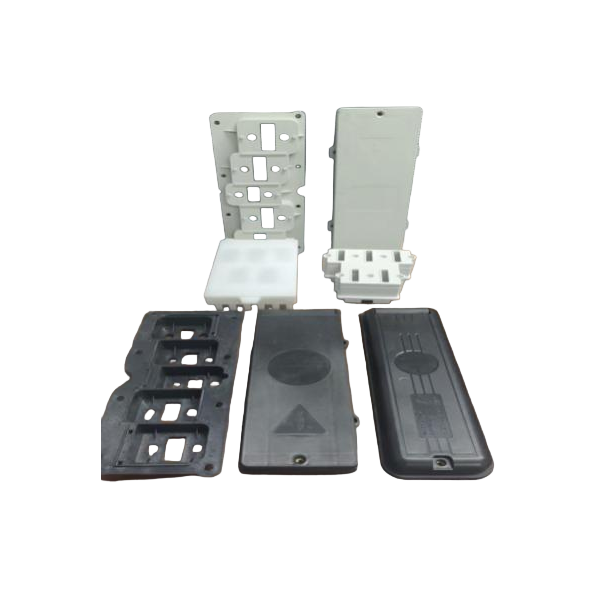
Yangzhong Yuexiang Electrical Co., Ltd. specializes in the research, development, precision manufacturing, and supply of busbar system accessories. Its product range includes busbar connectors, plugs, sockets, pins, terminals, and insulating partitions for low-voltage power distribution applications.
The company emphasizes material selection, standardized manufacturing processes, precision machining, surface treatment, and final product inspection. Its accessories are designed for use with busbar systems associated with brands including ABB, Weiten, Meijia, and Xijie. Actual compatibility depends on the specific product model and system configuration and should be confirmed before ordering.
Businesses looking for suitable connection accessories can explore Yangzhong Yuexiang Electrical's plugs, sockets, and pins to review potential options for their busbar distribution projects.
To help identify suitable components, buyers should provide the supplier with relevant technical information, including:
-
Existing busbar system brand and model.
-
Required voltage and current ratings.
-
Component drawings and dimensional requirements.
-
Installation environment and expected operating conditions.
-
Required insulation, protection, and compliance specifications.
A capable supplier should be able to clarify product dimensions, applicable ratings, compatibility requirements, quality-control procedures, and available technical documentation. Clear communication at this stage helps reduce procurement uncertainty and supports a smoother installation process.
Conclusion
Improving electrical safety and reliability requires attention to every component within a low-voltage power distribution system. While switchgear and busbar trunking systems provide the main distribution infrastructure, plugs, sockets, pins, terminals, and insulating accessories help determine the quality and stability of individual connections.
Reliable conductive contacts, suitable insulation, accurate mechanical design, environmental compatibility, and routine inspection all contribute to dependable operation. By verifying product ratings, confirming compatibility, and working with qualified suppliers, businesses can reduce avoidable connection problems and make electrical distribution systems easier to maintain and expand.
Yangzhong Yuexiang Electrical Co., Ltd. provides busbar system accessories for a range of low-voltage power distribution applications. Reviewing the available product specifications and confirming the requirements of the intended installation can help buyers identify components suited to their technical and operational needs.
www.yxbusway.com
Yangzhong Yuexiang Electrical Co., Ltd.