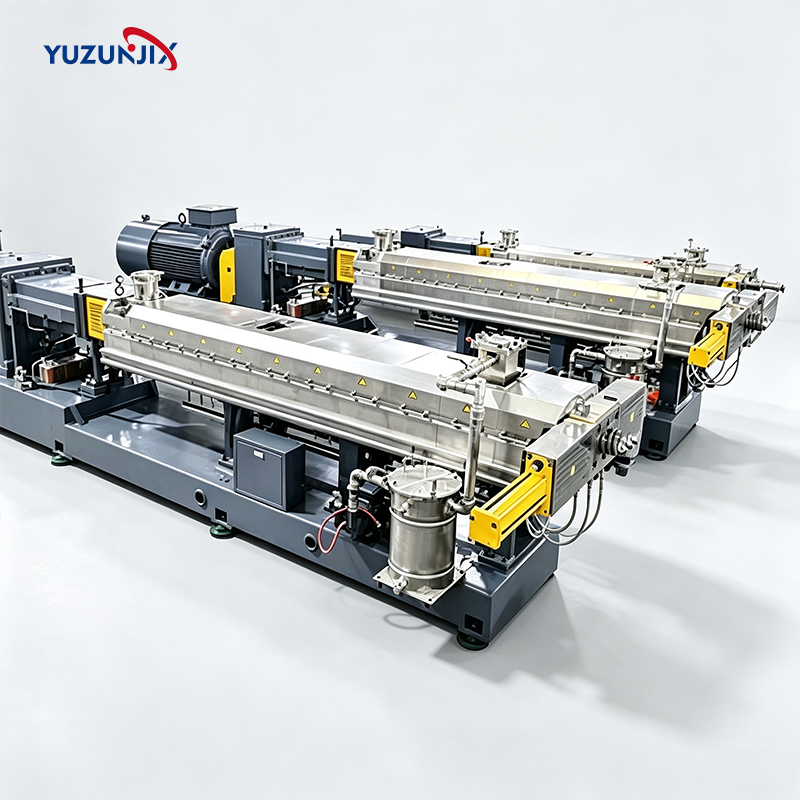
In modern manufacturing, material cutting is no longer a simple task. Many industrial fabricators struggle with issues such as inconsistent cut quality, material waste, long production cycles, and high labor costs. For companies producing steel, aluminum, or complex metal components, these challenges can directly impact productivity, cost efficiency, and client satisfaction.
A precision cutting machine is the solution many B2B buyers seek. By delivering highly accurate, repeatable, and efficient cutting, these machines reduce material waste, improve assembly consistency, and enhance overall production workflow. If you are evaluating options for industrial cutting equipment, understanding the benefits and applications of precision cutting machines is essential for making an informed procurement decision.
Why Industrial Manufacturers Choose Precision Cutting Machine
Reduce Material Waste and Improve Yield
Manual or semi-automated cutting methods often result in irregular cuts, burrs, or overcut sections. A precision cutting machine ensures exact dimensions every time, reducing scrap rates and improving material utilization. This leads to significant cost savings for high-volume production environments.
Enhance Production Speed and Efficiency
Industrial-grade precision cutting machines integrate CNC control, automated material feeding, and intelligent cutting paths. This allows manufacturers to achieve high-speed cutting without sacrificing accuracy. As a result, production cycles are shortened, and throughput is increased—critical for meeting tight deadlines.
Ensure Consistency Across Batches
For B2B buyers producing components for assembly lines, bridges, shipbuilding, or automotive parts, consistency is key. Precision cutting machines deliver repeatable results across hundreds or thousands of pieces, ensuring that downstream processes, such as welding or assembly, are seamless and error-free.
Key Applications of Precision Cutting Machine
Steel and Metal Fabrication
For structural steel, H-beams, box girders, and heavy plates, precision cutting machines are ideal for accurate straight cuts, complex profiles, and custom sizes. They can handle thick materials while maintaining tight tolerances.
Aluminum and Lightweight Metals
Lightweight metals require precise cutting to avoid deformation or warping. CNC-controlled precision cutting machines minimize heat distortion, ensuring perfect edges for aerospace, automotive, and construction applications.
Complex Shapes and Custom Profiles
Many industrial components require intricate cuts or beveled edges. Advanced precision cutting machines can perform angled cuts, holes, and notches in a single pass, reducing manual labor and secondary operations.
How Precision Cutting Machine Works
Material Loading: Raw material sheets, plates, or profiles are positioned on the machine bed using automated or manual loading systems.
Programming: Operators set cutting parameters including material type, thickness, cutting path, and tolerance via the CNC interface.
Laser/Plasma/Waterjet Cutting: Depending on the model, the machine uses a high-precision cutting source such as fiber laser, plasma torch, or waterjet to execute the programmed path.
Real-Time Monitoring: Sensors and feedback systems monitor cutting quality, detect misalignments, and adjust the cutting process in real time.
Finished Components: Cut components are collected for immediate assembly, welding, or further processing.
Choosing the Right Precision Cutting Machine
When selecting a precision cutting machine, B2B buyers should consider:
Material Type and Thickness: Ensure the machine can handle your typical production materials.
Cutting Technology: Laser, plasma, or waterjet options offer different benefits depending on material and precision requirements.
Production Volume: High-volume manufacturing benefits from automated feeding and multi-axis cutting.
Software and CNC Capabilities: Look for systems with intuitive programming, path optimization, and adaptive control.
Supplier Expertise: Choose a manufacturer with proven experience in industrial cutting applications and reliable after-sales support.
For companies looking for high-performance precision cutting solutions, METALWORK offers a wide range of machines designed for heavy-duty industrial applications. Their machines combine accuracy, durability, and automation, ensuring consistent results and maximum return on investment.
Real-World Applications and Industry Impact
Shipbuilding: Precision-cut steel plates for hull frames and structural components.
Bridge Construction: Accurate cutting of thick H-beams and box girders.
Automotive Manufacturing: Custom metal components with tight tolerances.
Industrial Equipment: Frames, supports, and machinery components requiring precise cutting and assembly.
Renewable Energy: Solar panel supports, wind turbine components, and modular structures.
Future Trends in Precision Cutting Machines
The demand for smarter factories has accelerated the adoption of advanced precision cutting equipment. Emerging trends include:
Integrated Automation: Cutting machines linked with robotic material handling and assembly.
Real-Time Quality Control: Sensors and AI-driven monitoring for adaptive cutting.
Remote Monitoring and IoT Integration: Operators can supervise multiple machines and optimize workflow remotely.
Multi-Material Processing: Machines capable of seamlessly switching between metals, composites, and other industrial materials.
Why METALWORK is a Trusted Supplier for Precision Cutting Machines
With decades of experience in industrial machinery, METALWORK provides precision cutting machines tailored for H-beams, box beams, and heavy industrial fabrication. Their machines help B2B buyers:
Improve cut quality and dimensional accuracy
Reduce production cycle time and labor costs
Minimize material waste and rework
Adapt to a wide range of materials and industrial applications
METALWORK also offers comprehensive installation, training, and after-sales support, making them a reliable partner for industrial manufacturers seeking advanced cutting solutions.
Conclusion
For procurement teams and B2B buyers in the industrial fabrication sector, investing in a precision cutting machine is a strategic decision. It addresses critical pain points such as inconsistent cutting quality, high labor costs, and slow production cycles. By leveraging CNC-controlled cutting, automated feeding, and real-time monitoring, manufacturers can achieve faster, safer, and more accurate production. Companies like METALWORK provide proven solutions that ensure industrial cutting processes are precise, efficient, and reliable, supporting growth and competitiveness in global markets.
https://www.metalworkweld.com/CNC-flame-plasma-cutting-machine
METALWORK Machinery