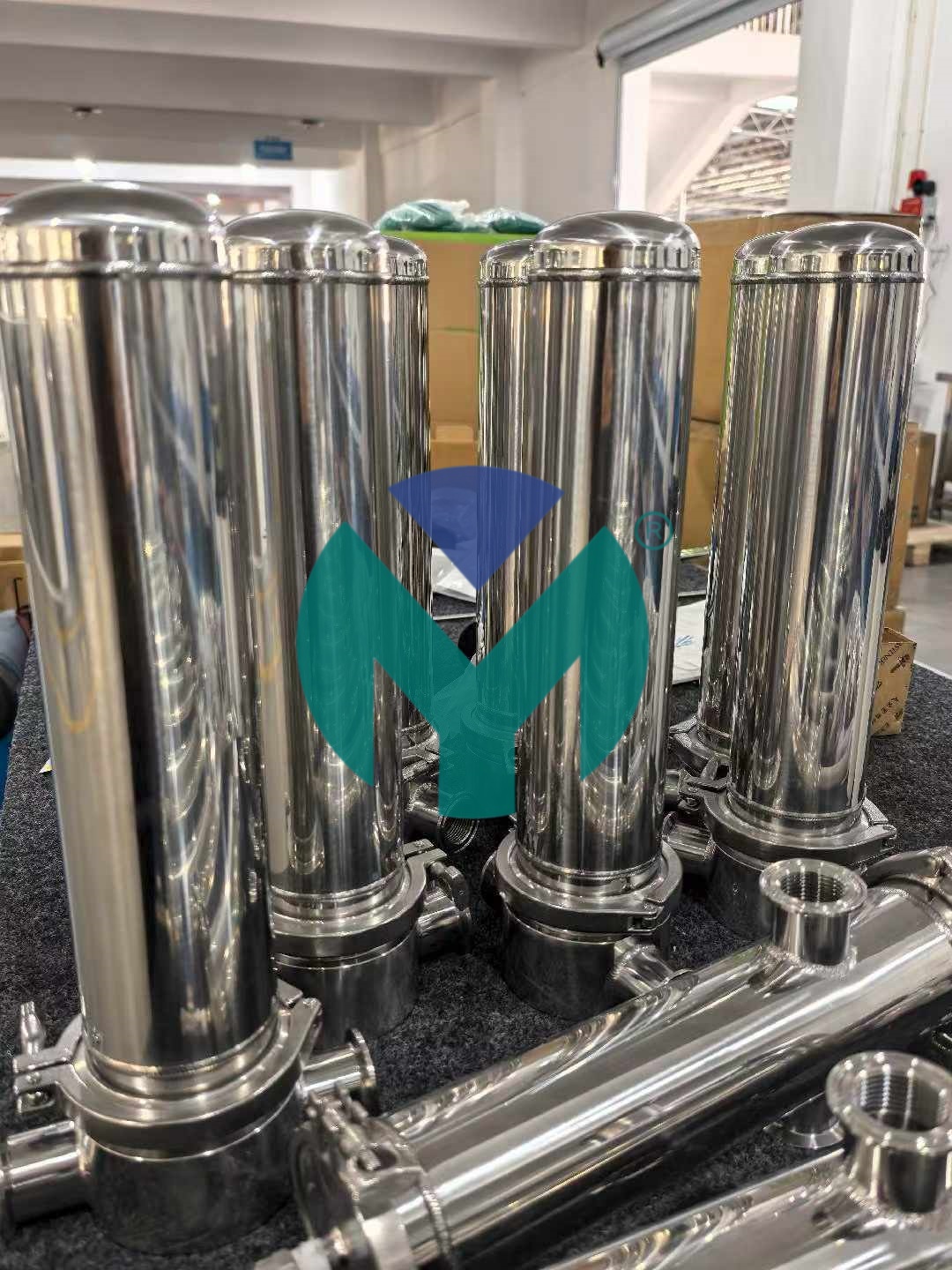
Design changes are common in industrial equipment development. A mounting point may need to move, a housing may require a revised opening, or an assembly interface may change after prototype testing. In custom metal component manufacturing, even a small revision can affect drawings, production planning, assembly compatibility, and delivery schedules.
For OEM manufacturers, the challenge is not simply making the requested adjustment. It is ensuring that every party works from the same approved information and that the change is reflected consistently from prototype development through batch production.
Why Design Changes Need a Clear Process
A design revision can affect more than the feature being modified. Moving a hole, changing a dimension, or revising a component outline may influence adjacent parts, fastener positions, or the available assembly space.
Problems arise when updated drawings are sent informally, old files remain in circulation, or production begins before the revised specifications are confirmed. Different teams may then work from different versions, increasing the risk of rework and inconsistent parts.
A defined change-management process helps engineering, procurement, and manufacturing teams understand what has changed, why the revision is necessary, and when the new requirements take effect.
Keep Engineering Drawings and Specifications Up to Date
Engineering drawings provide the manufacturing reference for custom metal parts. Each revision should be identifiable, and superseded files should not be mistaken for current production documents.
When a change is proposed, the buyer should provide the revised drawing along with a clear explanation of the affected features. Relevant information may include updated dimensions, material specifications, surface finishing requirements, and assembly interfaces.
Not every revision requires a complete redesign. However, the manufacturer needs enough information to determine whether the change affects existing tooling, machining operations, fabrication sequences, or inspection requirements.
A practical review should confirm three points:
-
The latest drawing revision is clearly identified.
-
Changed features and specifications are documented.
-
Both parties agree on which version applies to the next production stage.
This approach is particularly useful when several components must fit together within a larger industrial assembly.
Review the Impact Before Approving a Change
Before implementing a revision, the engineering team and manufacturer should assess its practical consequences. A seemingly minor change may affect manufacturing time, component compatibility, material usage, or the sequence of production operations.
For example, relocating a mounting interface may require changes to a related bracket or housing. Revising a component's dimensions may also affect an existing assembly or require another round of sample validation.
The review should establish whether the proposed change can be incorporated into the current production plan or whether additional engineering work is necessary. Any effect on cost, timing, or previously approved parts should be communicated before the change is released.
Clear communication at this stage gives OEM buyers a better basis for deciding whether to proceed immediately, validate the revised design, or coordinate changes across multiple components.
Validate Prototypes Before Moving to Batch Production
Prototype approval provides an opportunity to confirm that the revised design meets its intended requirements before larger quantities are manufactured. Depending on the component, validation may involve dimensional checks, fit assessments, mounting verification, or functional testing within the intended assembly.
When a revision affects a critical interface, the updated sample should be checked against the latest drawing rather than an earlier approved version. Any remaining discrepancies should be resolved and documented before production proceeds.
Sample approval also needs a clear scope. The parties should understand which drawing revision was evaluated, what requirements were checked, and whether further changes remain open.
For custom metal fabrication projects, this step helps maintain consistency between engineering decisions and manufacturing execution. It also reduces the likelihood of discovering a design mismatch only after a production batch has been completed.
Coordinate Changes Across Production and Procurement
Design revisions can affect purchasing and production even when the physical change is limited. A revised material specification may require a different purchasing arrangement, while a modified component interface may influence other parts already in production.
OEM buyers should therefore communicate approved changes to all relevant parties, including engineering, procurement, quality, and the manufacturing supplier. The effective date or production batch should also be specified so that revised and previous versions are not mixed unintentionally.
For ongoing projects, a simple change log can record the revision number, affected components, approval status, and implementation date. This provides a shared reference when questions arise during production or subsequent orders.
Manufacturers such as Xindao can be introduced into this process through direct coordination on customer drawings and sample requirements. For more information about the brand and its services, visit the Xindao website.
Make Design Changes Easier to Control
Effective design-change management depends on accurate documentation, timely communication, impact assessment, and appropriate sample validation. These steps help OEM teams maintain consistency between approved designs and manufactured metal components.
A clear process also makes future revisions easier to manage because the reasons for previous decisions and the applicable drawing versions remain traceable. For custom metal component projects, early coordination between the buyer and manufacturing partner is a practical way to reduce avoidable rework and keep production aligned with the latest requirements.
www.snnji.com
xindao