In hazardous industrial settings, safety is not simply a requirement—it is the foundation of reliable operations. Industries such as oil refining, chemical manufacturing, mining, and grain processing frequently operate in environments filled with flammable gases, vapors, or combustible dust. Under these conditions, ordinary electrical equipment can easily become an ignition source. This is why explosion-proof motors are essential for maintaining safe production environments.
Understanding how explosion-proof motors are classified and divided helps engineers, purchasing managers, and project planners select suitable equipment while ensuring safety compliance and operational reliability.
What Is an Explosion-Proof Motor?
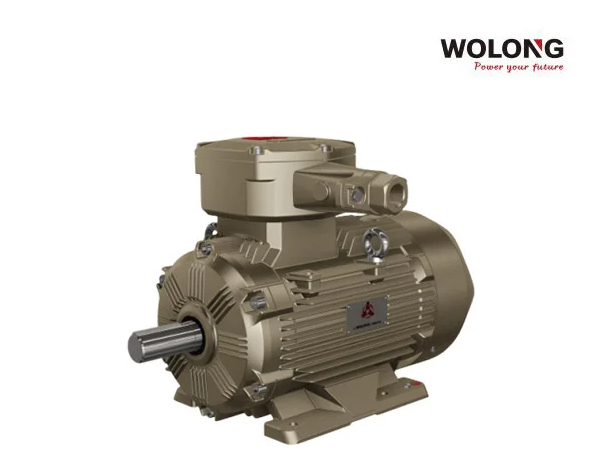
An explosion-proof motor is specially engineered for use in hazardous locations where explosive substances may exist. Contrary to popular belief, the motor itself does not completely prevent explosions. Instead, it is designed to contain any internal ignition and stop flames or sparks from reaching the surrounding atmosphere.
Its safety performance is achieved through several key design features:
-
Heavy-duty enclosures capable of withstanding internal explosions
-
Controlled external surface temperatures
-
Sealed structures that prevent sparks or flames from escaping
Because of these characteristics, explosion-proof motors are widely used in industries where volatile materials are present.
Why Classification Systems Are Important
Hazardous locations vary greatly depending on the type of flammable substance, the concentration level, and how frequently the material is present. To ensure consistent safety standards, regulatory organizations have established classification systems for hazardous environments.
Selecting the wrong motor classification can result in:
-
Serious safety risks
-
Non-compliance with industry regulations
-
Reduced equipment lifespan
-
Increased maintenance and downtime
For this reason, understanding hazardous area classifications is critical for safe and efficient plant operation.
Hazardous Location Classes
In North America, hazardous locations are commonly classified according to the National Electrical Code (NEC). These standards divide environments into Classes, Divisions, and Groups.
Class I: Flammable Gases and Vapors
Class I locations contain flammable gases or vapors that may form explosive mixtures in the air.
Typical applications include:
-
Oil and gas facilities
-
Petrochemical plants
-
Fuel storage terminals
Motors operating in these environments must prevent ignition caused by electrical sparks, arcs, or excessive heat.
Class II: Combustible Dust
Class II areas contain combustible dust that can ignite when dispersed in the atmosphere.
Common examples include:
-
Grain processing facilities
-
Flour mills
-
Cement plants
-
Metal processing workshops
Dust particles can create dangerous explosion risks, especially when they accumulate around hot equipment surfaces.
Class III: Fibers and Flyings
Class III locations contain easily ignitable fibers or airborne particles that present fire hazards.
Typical industries include:
-
Textile factories
-
Woodworking plants
-
Paper manufacturing facilities
Although these materials are generally less explosive than gases or dust, they still require specialized motor protection.
Understanding Divisions
Each hazardous class is further separated into Division 1 and Division 2 categories based on the likelihood of hazardous substances being present.
Division 1: Hazard Present During Normal Operation
Division 1 locations involve hazardous materials that are continuously or frequently present during standard operating conditions.
Characteristics include:
-
Constant exposure to explosive substances
-
Higher ignition risk
-
Requirement for maximum protection
Motors used in Division 1 areas must meet strict explosion-proof standards and testing requirements.
Division 2: Hazard Present Only Under Abnormal Conditions
Division 2 environments only become hazardous during abnormal situations such as leaks, equipment failures, or accidental releases.
Key features include:
-
Lower probability of hazardous exposure
-
Moderate ignition risk
-
More flexible equipment requirements
Although protection is still necessary, Division 2 motors may not require the same level of enclosure strength as Division 1 equipment.
Gas and Dust Group Classifications
Hazardous substances are also categorized into groups according to their ignition characteristics.
Gas Groups for Class I
-
Group A — Acetylene
-
Group B — Hydrogen
-
Group C — Ethylene
-
Group D — Propane
Each gas behaves differently under explosive conditions, which directly affects motor design requirements.
Dust Groups for Class II
-
Group E — Metal dust
-
Group F — Coal dust
-
Group G — Grain dust
Factors such as dust conductivity, particle size, and ignition temperature all influence classification standards.
Temperature Codes (T-Codes)
Temperature codes are another important factor when selecting explosion-proof motors. These codes define the maximum surface temperature a motor can reach during operation.
Examples include:
-
T1: Maximum 450°C
-
T4: Maximum 135°C
-
T6: Maximum 85°C
The motor surface temperature must always remain below the ignition point of the surrounding hazardous material to prevent accidental ignition.
Key Considerations When Selecting Explosion-Proof Motors
Choosing the right motor requires more than simply matching a classification label. Practical operating conditions must also be considered.
1. Hazard Assessment
Before selecting a motor, companies should carefully evaluate:
-
The type of hazardous material present
-
Frequency of exposure
-
Ignition characteristics of the environment
2. Compliance with International Standards
Explosion-proof motors should comply with applicable certifications such as:
-
NEC standards (North America)
-
ATEX certification (Europe)
-
IECEx certification (International markets)
Different regions may have different compliance requirements.
3. Installation Environment
Operating conditions can significantly affect motor performance, including:
-
Ambient temperature
-
Ventilation conditions
-
Moisture exposure
-
Installation altitude
4. Maintenance and Long-Term Costs
Properly selected explosion-proof motors help reduce:
-
Unexpected downtime
-
Maintenance frequency
-
Equipment replacement expenses
The Importance of Integrated Industrial Solution Providers
In large industrial projects, explosion-proof motor selection is often connected to broader system integration and engineering coordination. Reliable technical support can simplify the entire process.
Shanghai Juyue Energy Engineering Co., Ltd. operates as a comprehensive industrial and electromechanical solutions provider, offering engineering procurement, technical consulting, and supply chain support for complex industrial applications.
Their services focus on:
-
Evaluating real operating conditions
-
Matching equipment specifications accurately
-
Delivering dependable and cost-effective power distribution solutions
For hazardous environment projects, this integrated engineering capability helps minimize specification errors while ensuring compliance with industry safety standards.
Reference product page:
Explosion-proof motor solutions
Common Mistakes to Avoid
Even experienced engineering teams can encounter problems when selecting hazardous area equipment.
Over-Specification
Using motors with unnecessarily high protection ratings may:
-
Increase project costs
-
Complicate installation procedures
Under-Specification
Insufficient protection creates serious risks, including:
-
Safety incidents
-
Regulatory penalties
-
Equipment failure
Ignoring Temperature Ratings
Even if the class and division are correct, using the wrong T-code can still create ignition hazards.
Poor Documentation Practices
Complete documentation simplifies:
-
Regulatory inspections
-
Equipment maintenance
-
Future upgrades and replacements
www.juyueenergy.com
Shanghai Juyue Energy Engineering Co., Ltd.