Marine metal components must withstand some of the most demanding conditions found in industrial manufacturing. Exposure to seawater, airborne salt, moisture, fluctuating temperatures, and continuous mechanical loads can gradually affect the performance of metal products. If the selected material lacks sufficient corrosion resistance or receives inadequate surface protection, components may deteriorate prematurely, resulting in higher maintenance costs and potential structural problems.
For shipbuilding companies, marine equipment suppliers, and offshore engineering contractors, material selection is therefore a critical consideration during product development. Different metals offer different combinations of corrosion resistance, strength, weight, and fabrication flexibility. Common choices include stainless steel, aluminum alloys, duplex stainless steel, copper-based alloys, and titanium.
Marine metal accessory products
Which material should manufacturers choose for marine metal accessory products? There is no universal answer. The most suitable option depends on the surrounding environment, expected service life, structural requirements, production methods, and overall project budget.
1. Understanding the Challenges of Marine Environments
Marine conditions create several corrosion risks that are less common or less severe in ordinary industrial environments. Seawater contains a high concentration of dissolved salts, particularly chloride ions, which can accelerate metal degradation and damage protective surface layers.
Some of the most common corrosion mechanisms include:
Pitting Corrosion: Chloride ions can break down the passive film on certain metals, allowing localized corrosion to develop. Although the affected areas may initially appear small, the resulting pits can become deep enough to compromise component integrity.
Crevice Corrosion: Corrosion frequently develops in confined spaces where seawater becomes trapped. Areas around fasteners, welded joints, overlapping plates, and narrow connections are particularly vulnerable because oxygen circulation is restricted.
Galvanic Corrosion: When two different metals are electrically connected in the presence of seawater, an electrochemical reaction may cause the less noble metal to corrode at an accelerated rate.
Stress Corrosion Cracking: The combination of tensile stress and a corrosive environment can lead to crack formation in susceptible materials. This problem deserves particular attention when components operate under mechanical loads in chloride-rich conditions.
These corrosion mechanisms may affect a wide range of marine products, including equipment brackets, mounting structures, protective housings, handrails, access platforms, support frames, and machinery fittings.
Identifying these risks before manufacturing helps engineers select appropriate materials, optimize product structures, and reduce future inspection and maintenance requirements.
2. Stainless Steel: A Reliable Option for General Marine Applications
Stainless steel remains one of the most frequently selected materials for marine metal fabrication. Its combination of mechanical strength, durability, and corrosion resistance makes it suitable for many types of marine accessories.
However, selecting the correct stainless steel grade is essential because different grades offer different levels of protection against chloride exposure.
316 and 316L Stainless Steel
Grade 316 stainless steel contains molybdenum, an alloying element that improves resistance to chloride-induced corrosion. Compared with standard 304 stainless steel, it generally performs better in coastal and marine environments.
Common applications include:
-
Marine equipment brackets and mounting plates
-
Stainless steel housings and support structures
-
Handrails, fasteners, and connection fittings
-
Components for marine machinery
-
General-purpose fabricated metal accessories
316L stainless steel offers similar corrosion-resistant properties but contains less carbon. This characteristic helps minimize carbide precipitation and the associated risk of sensitization during welding.
As a result, 316L is often preferred for welded marine structures and fabricated assemblies that require reliable corrosion performance.
Nevertheless, 316 and 316L should not be considered immune to seawater corrosion. Prolonged exposure to stagnant seawater, high chloride concentrations, and deposits can still cause localized pitting or crevice corrosion.
For equipment operating under continuous immersion or particularly aggressive conditions, duplex stainless steel or other high-performance alloys may provide a more appropriate solution.
3. Duplex Stainless Steel: Improved Strength for Demanding Conditions
For marine applications involving higher mechanical loads and more severe corrosion exposure, duplex stainless steel is worth considering.
This material features a mixed austenitic-ferritic microstructure, combining the advantages of both stainless steel structures. It generally provides higher strength than conventional austenitic stainless steel while offering improved resistance to several chloride-related corrosion mechanisms.
Two commonly used grades are Duplex 2205 and Super Duplex 2507.
Duplex 2205 offers a favorable combination of mechanical strength and corrosion resistance. Its improved resistance to pitting, crevice corrosion, and chloride-induced stress corrosion cracking makes it suitable for applications such as:
-
Offshore equipment support structures
-
Heavy-duty marine brackets and mounting systems
-
Structural frames and connection assemblies
-
Seawater-related industrial equipment
-
Marine mechanical components
Super Duplex 2507 provides an even higher level of resistance to chloride-related corrosion. It is particularly useful in aggressive seawater environments where conventional stainless steel may not provide sufficient long-term performance.
Despite these advantages, duplex materials require careful manufacturing control. Welding temperature, heat input, cooling conditions, and fabrication procedures can influence the balance between the two phases and affect the final mechanical and corrosion-resistant properties.
Manufacturers therefore need appropriate equipment and technical experience when cutting, forming, and welding duplex stainless steel components.
4. Marine Aluminum Alloys: Reducing Weight Without Sacrificing Performance
Weight management is an important factor in vessel construction and offshore equipment development. Compared with steel, aluminum alloys offer a significant weight advantage while maintaining useful mechanical properties.
Marine-grade aluminum alloys, particularly 5083 and 5086, are widely used in shipbuilding and marine fabrication because of their good resistance to seawater corrosion.
Their key advantages include:
-
Lower density and reduced overall component weight
-
Good resistance to marine atmospheric and seawater exposure
-
Suitable strength for various structural applications
-
Good weldability when correct procedures are followed
-
Adaptability to cutting, forming, and customized fabrication
These properties make marine aluminum suitable for equipment covers, access panels, lightweight platforms, protective housings, mounting brackets, and support assemblies.
However, aluminum components require special attention when they are connected to stainless steel or other dissimilar metals. When electrical contact occurs in the presence of seawater, galvanic corrosion may develop and gradually damage the aluminum surface.
Several measures can help prevent this problem, including:
-
Installing electrically insulating washers and spacers
-
Applying suitable protective coatings
-
Selecting compatible fastening materials
-
Designing joints to minimize water accumulation
-
Inspecting connections during routine maintenance
The fabrication process also affects final product performance. Improper welding parameters and excessive heat input may reduce the strength of aluminum in heat-affected zones. Appropriate welding procedures are therefore necessary to maintain structural reliability.
5. Copper Alloys: Specialized Materials for Seawater Applications
Copper-based alloys are also widely recognized for their performance in marine environments. Among the commonly used options are copper-nickel alloys and aluminum bronze, each offering different properties for specific applications.
Copper-Nickel Alloys
Copper-nickel alloys are known for their resistance to seawater corrosion and are commonly used in marine fluid-handling systems.
Typical applications include:
-
Seawater piping systems
-
Marine heat exchangers
-
Fluid circulation equipment
-
Selected offshore mechanical components
Their suitability depends on the alloy composition, seawater flow conditions, and operating environment.
Aluminum Bronze
Aluminum bronze combines good mechanical strength with corrosion and wear resistance. Depending on the selected grade, it can be used for marine hardware, mechanical fittings, and components exposed to seawater or friction.
Although both materials offer useful marine properties, they are not direct replacements for stainless steel or aluminum in every situation.
Engineers should evaluate their mechanical characteristics, machining and fabrication requirements, compatibility with connected metals, and performance under actual operating conditions. Water velocity and potential galvanic interactions should also be included in the material assessment.
6. Titanium: High-Performance Protection Against Seawater Corrosion
Titanium is frequently selected for specialized marine equipment where corrosion resistance is a particularly important requirement.
Its excellent performance is largely attributed to the stable oxide film that naturally develops on its surface. This protective layer provides strong resistance to seawater and many chloride-containing environments.
Common marine applications include:
-
Seawater cooling and circulation systems
-
Industrial marine heat exchangers
-
Offshore equipment components
-
Corrosion-resistant connection fittings
-
Specialized high-performance metal assemblies
In addition to its corrosion resistance, titanium offers a favorable strength-to-weight ratio, making it attractive for applications where both durability and weight reduction are required.
However, titanium is considerably more expensive than many conventional engineering metals. Its fabrication also requires specialized welding procedures and strict control over contamination during processing.
Consequently, titanium is generally reserved for applications where its technical advantages justify the additional material and manufacturing costs.
7. Comparing Materials for Different Marine Metal Accessories
Selecting a suitable material requires more than comparing corrosion resistance alone. Product designers must also consider strength, weight, fabrication complexity, maintenance requirements, and expected service life.
The following table provides a practical comparison of commonly used materials:
| Material | Key Characteristics | Typical Marine Applications |
|---|---|---|
| 316/316L Stainless Steel | Good general corrosion resistance, strength, and weldability | Brackets, handrails, fittings |
| Duplex 2205 | High mechanical strength and improved chloride resistance | Offshore supports, structural frames |
| Super Duplex 2507 | Excellent resistance to aggressive chloride environments | Specialized offshore equipment |
| Aluminum 5083/5086 | Lightweight, good seawater corrosion resistance | Platforms, panels, equipment housings |
| Copper-Nickel | Good resistance to seawater corrosion | Marine piping, heat exchangers |
| Aluminum Bronze | Good strength, wear resistance, and corrosion resistance | Marine hardware, mechanical components |
| Titanium | Exceptional seawater corrosion resistance and high strength-to-weight ratio | Specialized marine equipment |
In addition to the material itself, several important factors should be evaluated before production begins.
Operating Environment: Establish whether the component will be exposed to occasional salt spray, coastal humidity, direct seawater contact, or continuous immersion. Different exposure conditions may require significantly different material specifications.
Mechanical Performance: Consider static loads, vibration, impact, fatigue, and other forces that the component may experience throughout its service life.
Manufacturing Processes: Determine whether production requires laser cutting, tube cutting, bending, machining, welding, or multi-part assembly. Material properties must be compatible with the intended fabrication methods.
Compatibility Between Metals: When multiple materials are connected, assess their electrochemical compatibility and the potential for galvanic corrosion.
Surface Treatment: Depending on the selected material and application, additional treatments such as passivation, painting, or protective coatings may be required.
The best material is ultimately the one that meets the actual engineering requirements rather than simply offering the highest corrosion resistance or mechanical strength.
8. Why Manufacturing Processes Influence Marine Product Durability
Material selection establishes the foundation for product performance, but manufacturing quality determines whether the finished component can deliver its intended properties.
Even high-quality corrosion-resistant metals may experience premature deterioration if fabrication is poorly controlled.
For example, inaccurate cutting can leave sharp edges and dimensional deviations. Poorly designed joints may create areas where seawater collects, while incomplete welds can introduce structural weaknesses and corrosion-prone locations. Surface damage during handling or assembly may also reduce the effectiveness of protective layers.
For this reason, marine metal fabrication should be managed as a coordinated production process involving material preparation, precision cutting, forming, welding, surface treatment, and final inspection.
Businesses sourcing customized marine metal accessory products can benefit from working with manufacturers that provide multiple fabrication capabilities within one production system.
An integrated manufacturing arrangement makes it easier to coordinate production schedules, maintain dimensional consistency, manage welding quality, and monitor product quality throughout the manufacturing process.
9. Jiangsu Mancheng's Manufacturing Capabilities for Marine Metal Components
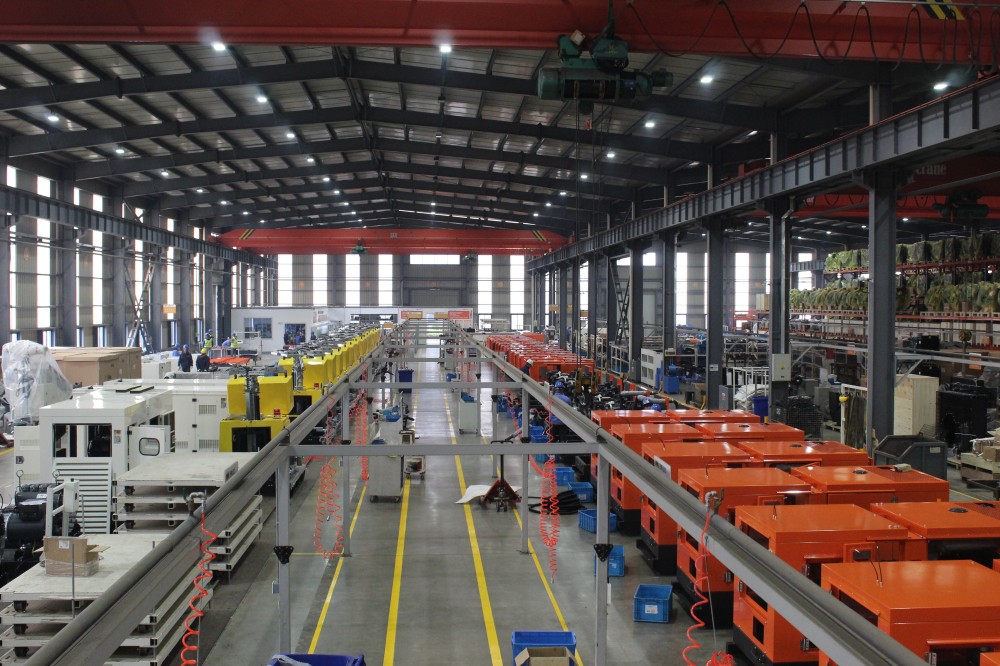
Established in 2018, Jiangsu Mancheng Machinery & Equipment Co., Ltd. is a metal fabrication enterprise specializing in independent product development, large-scale manufacturing, and integrated supporting services.
The company operates a standardized production facility covering approximately 16,000 square meters and serves customers across several industrial sectors, including shipbuilding, railway transportation, aviation, and construction.
Its manufacturing resources support the production of customized marine metal components and other industrial fabricated products.
Precision Laser Cutting and Metal Profile Processing
The cutting workshop is equipped with a 12,000W laser cutting machine, a 6,000W semi-automatic tube laser cutting machine, a five-axis intersecting tube cutting machine, and large-scale sawing equipment.
These facilities allow the company to process various metal profiles, including angle steel, I-beams, round bars, square tubes, and other structural materials. They support the production of customized brackets, frames, connection parts, and structural components.
Advanced Metal Bending and Forming
The forming workshop includes 100-ton and 225-ton bending machines, a 6-meter 300-ton bending machine, a CNC bending center, and an automated bending robot.
This equipment supports the production of metal panels, support structures, customized brackets, and other components requiring consistent forming accuracy.
Professional Welding Capabilities
For welding operations, the company utilizes 3,000W laser welding equipment and pulse welding equipment to process stainless steel, aluminum, copper, titanium alloys, and other metal materials.
Its welding technology has received DNV recognition, demonstrating its capabilities in specialized industrial welding applications. These resources provide manufacturing support for metal products that require controlled welding processes and consistent joint quality.
Integrated Surface Treatment and Finishing
The company also operates large-scale sandblasting equipment capable of accommodating products measuring up to 22 × 10 × 6 meters.
Dedicated environmental ventilation facilities and qualified painting operations allow surface preparation and finishing to be coordinated with other manufacturing stages. This helps improve production efficiency and maintain consistency across fabricated products.
Furthermore, Jiangsu Mancheng operates according to ISO-standardized quality and environmental management systems, together with an ASME management system.
Its quality management procedures cover incoming material verification, production-stage inspections, finished-product evaluation, and delivery control.
For customized marine metal components, these integrated capabilities help address important manufacturing considerations such as dimensional accuracy, material processing consistency, welding quality, surface finishing, and production coordination.
www.nautisynth.com
Jiangsu Mancheng Machinery & Equipment Co., Ltd.