As global industries push toward greater energy efficiency, electrification, and sustainable infrastructure, the materials used inside electrical equipment are receiving increased attention. While conductor technology may not always be visible from the outside, it plays a critical role in determining the performance, reliability, and operating cost of modern power systems.
One material gaining significant momentum across transformers, motors, renewable energy equipment, and industrial electrical systems is aluminium flat wire. Thanks to its combination of lightweight construction, efficient heat dissipation, and optimized electrical performance, aluminium flat wire is helping manufacturers build the next generation of high-efficiency energy solutions.
The Shift Toward Smarter Conductor Design
Traditional round conductors have served the electrical industry for decades. However, as equipment becomes more compact and power densities continue to increase, engineers are looking for alternatives that maximize performance while minimizing energy loss and material consumption.
Aluminium flat wire addresses these challenges through its unique rectangular profile. Compared with conventional round wire, the flat geometry allows better utilization of available space inside coils and windings, creating more efficient electrical structures.
This design advantage is especially important in modern applications where every millimeter of space and every watt of energy matter.
Improved Electrical Efficiency
One of the biggest benefits of aluminium flat wire is its ability to support more efficient current flow.
Because of its wider surface area, flat wire improves current distribution and reduces certain types of electrical losses, particularly in high-frequency applications. This contributes to better overall system efficiency and lower operating temperatures.
Manufacturers commonly use aluminium flat wire in:
-
Power transformers
-
Electric motors
-
Inductors and reactors
-
Renewable energy converters
-
Industrial automation equipment
As energy costs continue to rise worldwide, even small improvements in electrical efficiency can generate significant long-term savings.
Better Heat Dissipation for Reliable Operation
Heat is one of the primary enemies of electrical equipment.
Excessive temperatures can accelerate insulation aging, reduce efficiency, and shorten equipment lifespan. Effective thermal management is therefore essential for maintaining stable operation.
The larger surface area of aluminium flat wire allows heat to spread and dissipate more effectively than traditional conductor designs. This helps reduce localized hot spots and promotes more uniform temperature distribution throughout the winding structure.
The result is:
-
Improved operational stability
-
Longer equipment service life
-
Reduced thermal stress
-
Greater reliability under continuous load conditions
For high-power systems, these thermal advantages can have a substantial impact on overall performance.
Lightweight Advantages for Modern Applications
Weight reduction has become increasingly important across multiple industries, especially in sectors such as electric mobility and renewable energy.
Aluminium offers a significant weight advantage compared with copper while still providing excellent electrical conductivity for many applications.
By combining aluminium's low density with a flat wire profile, manufacturers can achieve:
-
Reduced equipment weight
-
Easier installation and transportation
-
Improved design flexibility
-
Lower structural support requirements
This is particularly valuable in electric vehicles, aerospace systems, wind power equipment, and portable energy solutions.
Maximizing Space Utilization
Space efficiency is another major reason why aluminium flat wire continues to gain popularity.
Round conductors naturally create gaps when wound into coils, leaving unused space inside electrical assemblies. Flat wire significantly reduces these voids, allowing engineers to achieve higher winding density.
Benefits include:
-
Higher slot fill factors
-
More compact transformer designs
-
Smaller motor dimensions
-
Increased power density
In industries where miniaturization and performance must coexist, this advantage is extremely valuable.
Flexible for a Wide Range of Applications
Modern aluminium flat wire can be customized with various insulation systems to meet specific operating requirements.
Common insulation options include:
-
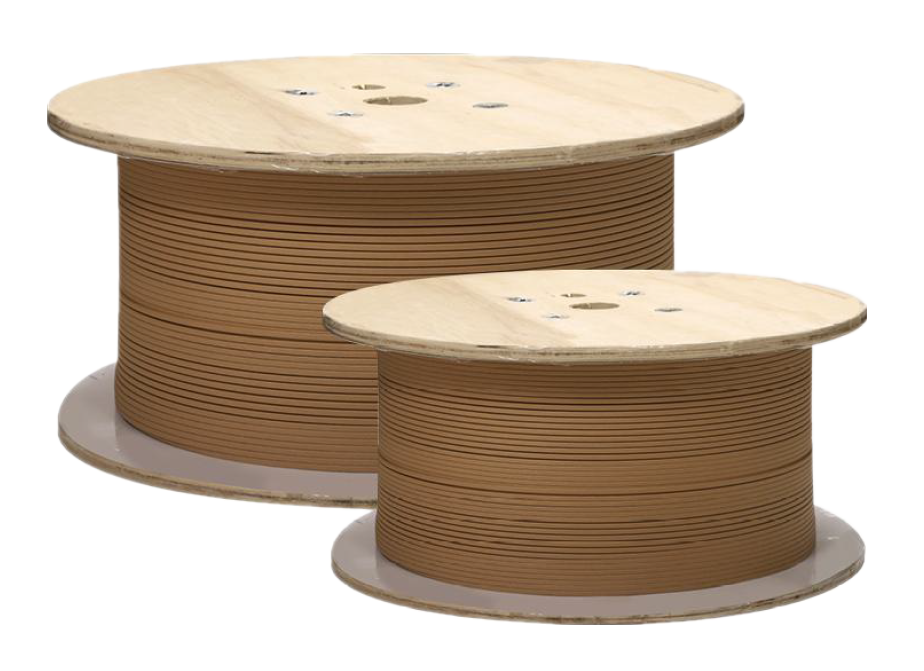
Paper-covered insulation
-
Glass fiber wrapping
-
Nonwoven fabric insulation
-
Composite insulating materials
These configurations allow manufacturers to optimize performance for different voltage levels, temperature ranges, and environmental conditions.
As a result, aluminium flat wire can be found in applications ranging from household appliances to large-scale industrial power systems.
Supporting Renewable Energy Growth
Renewable energy systems place unique demands on electrical conductors.
Solar inverters, wind turbines, battery storage systems, and grid integration equipment all require conductors that balance efficiency, thermal stability, and cost-effectiveness.
Aluminium flat wire is increasingly being adopted in these applications because it helps improve energy conversion efficiency while supporting lightweight system designs.
As renewable energy deployment continues to expand globally, demand for advanced conductor solutions is expected to grow alongside it.
Manufacturing Quality Matters
The performance of any conductor depends heavily on manufacturing precision and material consistency.
High-quality aluminium flat wire requires:
-
High-purity aluminium raw materials
-
Precise dimensional control
-
Consistent mechanical properties
-
Reliable insulation systems
-
Strict quality assurance procedures
Manufacturers such as Techsence Wires utilize advanced production technologies to ensure that every conductor meets demanding industry standards for electrical performance and long-term reliability.
Looking Ahead
The future of electrical engineering is being shaped by electrification, smart grids, automation, and sustainable energy development. As these trends accelerate, the demand for high-performance conductor materials will continue to increase.
Aluminium flat wire offers an attractive combination of efficiency, thermal performance, lightweight construction, and design flexibility, making it well-positioned to support the evolving needs of modern power systems.
Final Thoughts
Aluminium flat wire is no longer simply an alternative conductor option—it has become a strategic material for improving the efficiency and performance of modern electrical equipment.
From transformers and motors to renewable energy systems and industrial automation, its ability to reduce energy loss, improve heat management, and optimize space utilization makes it an increasingly valuable solution for manufacturers worldwide.
As electrical systems become more advanced and energy efficiency becomes a top priority, aluminium flat wire will continue to play a central role in the development of next-generation power technologies.
This version is more suitable for SEO blogs and industry forums because it uses a stronger narrative flow, clearer section structure, reader-friendly language, and naturally incorporates keywords such as aluminium flat wire, power transformers, electric motors, renewable energy systems, and electrical efficiency.
www.techsencewire.com
Techsence Wires