In high-performance industrial applications, mechanical components are often subjected to extreme conditions such as high temperatures, intense wear, and corrosive environments. Selecting the right material for these components is crucial to ensure longevity, reliability, and efficiency. Among the best materials for these demanding applications are cobalt-based rods, which offer exceptional mechanical and chemical properties that make them indispensable in manufacturing and engineering.
Kennametal Stellite specializes in providing premium cobalt-based rods designed to meet the rigorous demands of high-stress applications. This article explores why cobalt-based rods are essential for critical mechanical components and how they enhance overall system performance.
Understanding Cobalt-Based Alloys
Cobalt-based alloys, often referred to as Stellite, are metal alloys that primarily consist of cobalt along with chromium, tungsten, and small amounts of other elements. The unique composition of these rods gives them outstanding properties:
High hardness and wear resistance: Essential for components exposed to friction or abrasive environments.
Excellent corrosion and oxidation resistance: Ideal for applications involving chemicals, steam, or high temperatures.
Heat resistance: Maintains structural integrity at elevated temperatures, outperforming many steel and nickel alloys.
These properties make cobalt-based rods ideal for components such as turbine blades, valve seats, cutting tools, and high-stress bearings.
Key Applications of Cobalt-Based Rods
Cobalt-based rods are widely used in industries that demand durability and precision under stress. Common applications include:
-
Aerospace and Turbine Components
Aerospace engines and industrial turbines operate at extreme temperatures and pressures. Components such as blades, vanes, and seals must resist wear, corrosion, and thermal fatigue. Cobalt-based rods provide the necessary hardness and thermal stability, ensuring long-term reliability and performance. -
Chemical and Petrochemical Industry
Valves, pump shafts, and fittings in chemical plants are exposed to corrosive substances and high-temperature fluids. The superior corrosion resistance of cobalt alloys makes them suitable for these environments, reducing the risk of premature failure. -
Medical and Dental Instruments
Certain surgical tools and dental instruments require high wear resistance and biocompatibility. Cobalt-chromium alloys are often used in these applications due to their strength, corrosion resistance, and safety for human use. -
Cutting and Machining Tools
Cobalt-based rods are frequently used to produce cutting tools, drills, and end mills. The material's ability to retain hardness at high temperatures allows these tools to operate efficiently even under heavy load and high-speed machining.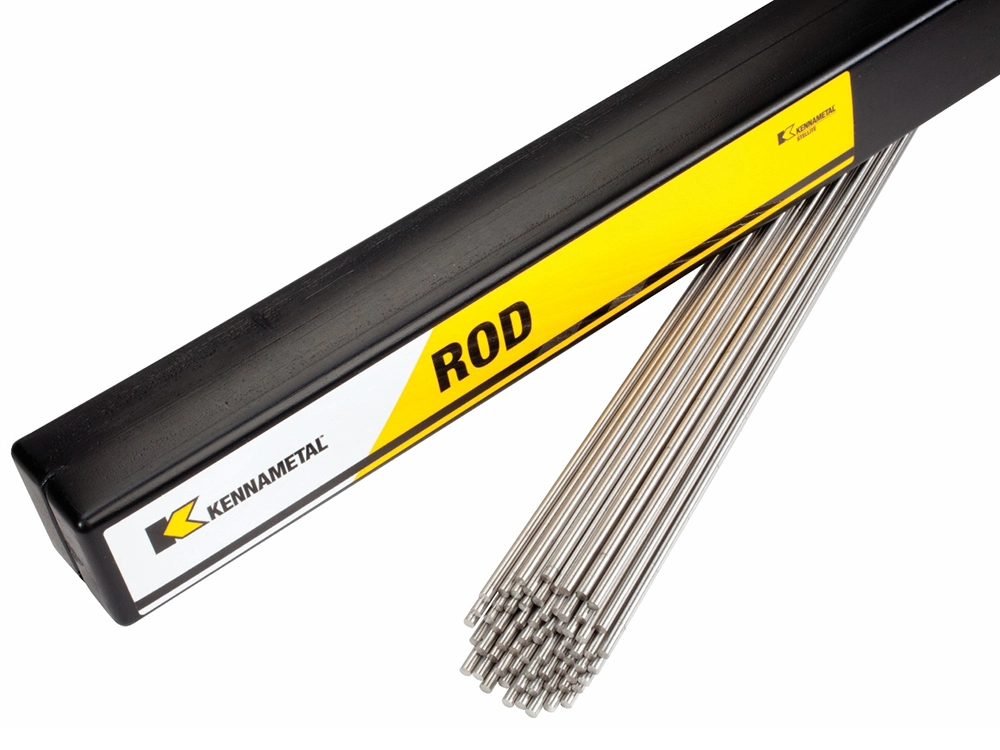
Advantages of Using Cobalt-Based Rods
Investing in cobalt-based rods brings multiple benefits to manufacturers and industrial operators:
1. Exceptional Wear Resistance
The hardness and wear resistance of cobalt alloys minimize material loss over time, reducing maintenance requirements and prolonging component life. This is particularly valuable in high-friction environments such as bearings and cutting tools.
2. Outstanding Corrosion and Oxidation Resistance
Cobalt-based rods are resistant to acids, alkalis, and oxidizing agents. Components made from these materials require less frequent replacement, contributing to reduced operational costs.
3. Heat Resistance
Cobalt alloys maintain their strength and hardness at temperatures exceeding 600°C (1112°F). This makes them suitable for turbine components, engine parts, and other applications where thermal stability is critical.
4. Reliable Performance Under Stress
High-stress components often experience fatigue and mechanical deformation. Cobalt-based rods offer excellent tensile and compressive strength, making them ideal for high-load applications where failure is not an option.
5. Versatility in Machining and Fabrication
Although cobalt alloys are hard and wear-resistant, they can be machined, forged, or welded with proper techniques. This versatility allows engineers to design complex components tailored to specific industrial needs.
How Cobalt-Based Rods Improve Component Lifespan
The lifespan of mechanical components is directly tied to the material's ability to withstand operational stress. Components made from cobalt-based rods experience less wear and corrosion, which reduces:
Unexpected downtime for repairs or replacements
Costs associated with spare parts and labor
Risks of system failures and accidents
By using cobalt-based rods from trusted suppliers like Kennametal Stellite, manufacturers ensure consistent material quality, which is critical for high-stress, precision-engineered parts.
Choosing the Right Cobalt-Based Rod
Selecting the appropriate rod depends on the intended application. Key considerations include:
Composition: Different cobalt alloys contain varying amounts of chromium, tungsten, and carbon to optimize hardness, wear resistance, or corrosion resistance.
Diameter and length: Specifications must match the component design requirements.
Surface finish: For high-precision applications, surface finish affects performance, especially in valves or aerospace components.
Consulting with an experienced supplier like Kennametal Stellite ensures that engineers choose the correct grade and specifications for their applications.
Conclusion
For high-stress mechanical components, cobalt-based rods are a superior choice due to their exceptional hardness, wear resistance, corrosion resistance, and thermal stability. Industries ranging from aerospace to chemical processing benefit from the reliability and longevity these rods provide.
Investing in premium cobalt-based rods from Kennametal Stellite ensures consistent quality, reduced maintenance costs, and improved operational efficiency. Choosing the right material is not just about performance—it’s about long-term cost savings and reliability under demanding conditions.
www.sh-stellite.com
Kennametal Stellite