As electronic products become smaller and more powerful, engineers are facing a common challenge: how to achieve higher performance without increasing energy consumption or generating excessive heat.
This challenge is particularly important in magnetic components. Transformers, inductors, chokes, and filters all rely on magnetic cores to transfer and control electromagnetic energy. The performance of the core directly affects efficiency, temperature rise, size, and the long-term reliability of the entire system.
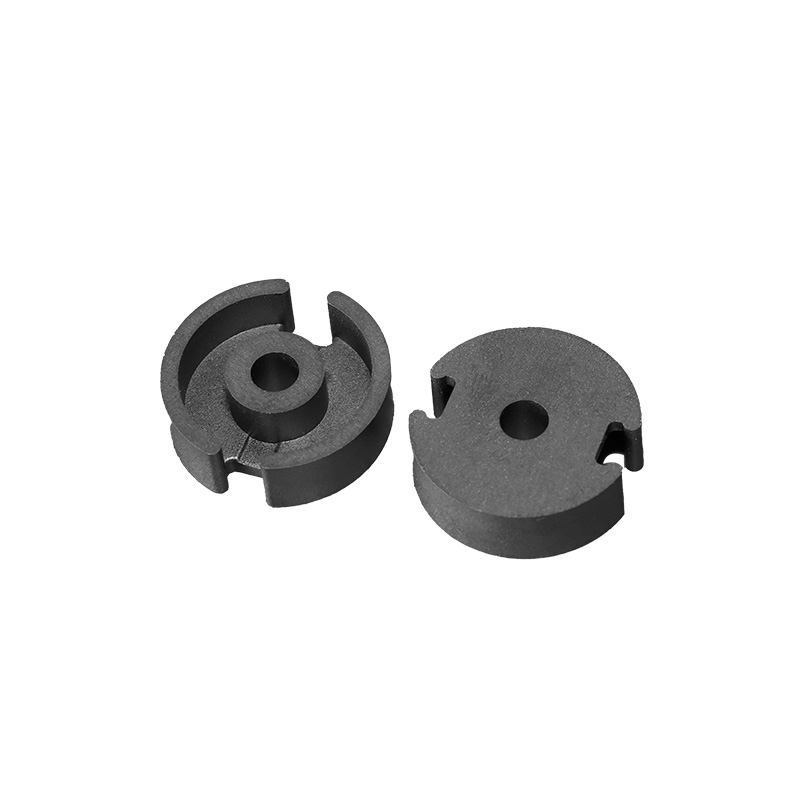
For this reason, P Cores have attracted increasing attention in modern power electronics. With suitable magnetic characteristics, efficient structural designs, and reliable manufacturing precision, P cores can help improve the performance of high-frequency magnetic components used in a wide range of electrical and electronic applications.
Why Magnetic Core Performance Affects System Efficiency
Magnetic components do not transfer energy with 100% efficiency. During the process of magnetization and demagnetization, energy is lost in the form of heat and other electromagnetic losses.
Common sources of magnetic loss include:
-
Hysteresis loss
-
Eddy current loss
-
Residual magnetic loss
-
Core loss caused by high-frequency operation
-
Energy loss caused by magnetic saturation
When these losses become excessive, the effects can spread throughout the electronic system.
The equipment may experience:
-
Higher operating temperatures
-
Reduced energy efficiency
-
Increased cooling requirements
-
Unstable performance
-
Shorter component life
Selecting the right magnetic core material is therefore an important part of designing efficient power electronics.
What Makes P Cores Suitable for Modern Magnetic Components?
P Cores are soft ferrite magnetic cores designed for use in magnetic circuits where efficient flux transmission and stable electromagnetic performance are required.
Their design allows manufacturers to create magnetic components with a relatively efficient magnetic path while maintaining compact dimensions.
Depending on the material grade and application, P cores can provide several important characteristics, including:
-
High magnetic permeability
-
Low core loss
-
Stable inductance
-
Efficient magnetic flux distribution
-
Good dimensional consistency
-
Compact component design
These features make them suitable for applications where size, efficiency, and thermal performance must be considered together.
How P Cores Can Help Reduce Energy Loss
1. Lower Core Loss at High Frequencies
Modern switching power supplies and converters increasingly operate at higher frequencies. This allows engineers to reduce the size of transformers and other magnetic components, but it also creates greater demands on the magnetic core.
A core material with unsuitable frequency characteristics may generate excessive heat and reduce overall system efficiency.
High-quality ferrite P cores are designed to provide lower magnetic losses under appropriate high-frequency operating conditions. This helps reduce unnecessary energy conversion into heat and supports more efficient operation.
The result can include:
-
Lower temperature rise
-
Improved power conversion efficiency
-
Reduced cooling requirements
-
Better long-term stability
The actual performance depends on the selected ferrite material, operating frequency, temperature, and application design, making material selection an important engineering decision.
2. Efficient Magnetic Flux Transmission
Magnetic permeability is another important factor when selecting a core.
A suitable magnetic material allows magnetic flux to travel efficiently through the core. This can help reduce the magnetizing current required by the magnetic component and improve the efficiency of energy transfer.
For transformers and inductors, stable magnetic performance can contribute to:
-
More predictable inductance
-
Improved circuit response
-
Reduced magnetic loss
-
Better overall energy efficiency
In precision electronic systems, even small changes in magnetic characteristics can influence circuit performance.
3. Reduced Heat Generation
Excessive heat is one of the major concerns in compact electronic equipment.
When a magnetic core produces unnecessary loss, the resulting heat can affect nearby components, insulation systems, and electronic circuits.
By using a suitable low-loss ferrite core, engineers can reduce the amount of energy converted into heat. This is especially valuable in applications where the available cooling space is limited.
Lower thermal stress can help improve:
-
Insulation life
-
Component reliability
-
System stability
-
Operating efficiency
For compact power electronics, thermal performance is often just as important as electrical performance.
Structural Design Also Influences Magnetic Performance
The geometry of a magnetic core is not simply a matter of appearance. The shape and structure of the core influence how magnetic flux travels through the component.
A suitable P core design can help provide a more controlled magnetic path and reduce unwanted leakage flux.
This may offer several practical benefits.
More Uniform Flux Distribution
A well-designed magnetic structure can help reduce local areas of excessive magnetic flux concentration.
This helps lower the risk of localized saturation and supports more stable magnetic operation.
Compact Magnetic Components
Modern electronic equipment is increasingly designed around higher power density.
P cores can support the development of compact transformers and inductors, helping engineers save valuable installation space.
This is important in applications such as:
-
Compact power supplies
-
Industrial controllers
-
Communication equipment
-
Electric vehicle electronics
-
Renewable energy converters
Improved Assembly Consistency
Dimensional precision is also important for the manufacturing process.
Consistent core dimensions can improve:
-
Winding accuracy
-
Component assembly
-
Production efficiency
-
Product repeatability
For OEM manufacturers producing large quantities, stable dimensions can help reduce production variation and improve overall manufacturing efficiency.
Where Are P Cores Used?
The application range of P cores continues to expand as power electronics become more efficient and compact.
Switching Power Supplies
Switching power supplies require magnetic components that can operate efficiently at high frequencies. Low-loss ferrite cores can help improve energy conversion while reducing thermal stress.
Industrial Automation
Industrial controllers, servo systems, PLC modules, and other automation equipment often operate continuously. Stable magnetic performance is essential for reliable long-term operation.
Renewable Energy Systems
Solar inverters, energy storage systems, and wind power converters all require efficient magnetic components.
Reducing magnetic losses can contribute to better energy conversion efficiency and improved thermal management.
Electric Vehicles
Electric vehicles contain numerous power conversion systems, including:
-
DC/DC converters
-
Onboard chargers
-
Battery management systems
-
Auxiliary power systems
Compact and efficient magnetic components are important for reducing system size while maintaining reliable power conversion.
Communication Equipment
Communication systems often operate at high frequencies and require stable electromagnetic performance.
Suitable ferrite cores can help support reliable signal processing and power conversion while contributing to electromagnetic performance.
Material Quality Should Not Be Overlooked
Two magnetic cores may look similar externally but perform very differently in actual applications.
The quality of the ferrite material influences important properties such as:
-
Magnetic permeability
-
Core loss
-
Saturation behavior
-
Temperature stability
-
Frequency characteristics
Poor material quality may lead to:
-
Excessive heat generation
-
Unstable inductance
-
Reduced efficiency
-
Shorter operating life
For this reason, engineers should evaluate technical data and application requirements rather than selecting a core based only on external dimensions.
Manufacturing Precision Is Equally Important
Even a high-performance ferrite material cannot deliver consistent results if the manufacturing process is unstable.
Core dimensions, surface quality, sintering conditions, and material consistency all influence final performance.
Professional manufacturers typically use controlled processes such as:
-
Automated powder pressing
-
Precision mold forming
-
Controlled sintering
-
Dimensional inspection
-
Magnetic performance testing
These processes help ensure that cores produced in different batches maintain consistent performance.
For high-volume OEM applications, this level of repeatability is essential.
Selecting the Right P Core for an Application
There is no single P core that is suitable for every magnetic component.
Engineers should consider several factors before making a selection:
Operating Frequency
The magnetic material must be suitable for the actual working frequency of the application.
Core Loss
Lower core loss may be particularly important in high-efficiency power conversion systems.
Magnetic Permeability
Permeability influences the magnetic response and inductance characteristics of the component.
Saturation Flux Density
The core must be able to operate within the expected magnetic flux range without excessive saturation.
Operating Temperature
Temperature can influence magnetic characteristics, so the expected working environment should be considered.
Dimensional Tolerance
Precise dimensions are important for winding, assembly, and component consistency.
Working with an experienced magnetic core manufacturer can make the selection process more efficient and reduce the risk of choosing an unsuitable material or structure.
Chunhui Magnetoelectricity's Manufacturing Capabilities
Chunhui Magnetoelectricity specializes in the production of soft ferrite materials and magnetic cores for electronic and electrical applications.
The company combines material development, core manufacturing, and quality management capabilities to support customers with both standard and customized magnetic solutions.
Its production capabilities include a wide range of magnetic core specifications, large-scale ferrite core manufacturing, and in-house material production.
The company also operates under recognized quality management systems, including ISO9001, ISO14001, ISO45001, and IATF16949.
For customers with special requirements, customized P cores can be developed in different specifications according to application needs.
The Future of Magnetic Core Technology
The development of power electronics is moving toward higher frequency, greater power density, improved energy efficiency, and smaller equipment size.
These trends will continue to place greater demands on magnetic materials and core structures.
Future magnetic components will need to deliver:
-
Lower energy loss
-
Better thermal stability
-
Higher power density
-
More precise manufacturing
-
Greater application flexibility
As a result, the selection of the right magnetic core will become increasingly important in the design of advanced electrical and electronic systems.
Conclusion
P Cores play an important role in modern magnetic component design. When the appropriate material and structure are selected, they can help improve magnetic efficiency, reduce core loss, limit heat generation, and support more stable operation.
For manufacturers of switching power supplies, industrial automation equipment, renewable energy systems, electric vehicle electronics, and communication products, magnetic core performance can have a direct impact on the efficiency and reliability of the final product.
However, selecting the right P core requires more than simply choosing a standard shape. Material characteristics, operating frequency, temperature, magnetic performance, dimensional accuracy, and manufacturing consistency all need to be considered.
With experience in soft ferrite materials and magnetic core production, Chunhui Magnetoelectricity provides reliable P core solutions for manufacturers seeking stable and efficient magnetic components for modern electronic applications.
www.ch-mag.com
Chunhui