In the highly regulated pharmaceutical manufacturing environment, selecting the right steam generation equipment is critical for maintaining Good Manufacturing Practice (GMP) compliance while ensuring operational efficiency. For pharmaceutical production managers, the challenge extends beyond simply generating steam—it requires equipment that meets stringent material standards, delivers consistent purity, and operates within strict environmental and safety parameters. This comprehensive review examines how specialized electric steam boilers with 316L stainless steel construction address these critical industry needs.
The Pharmaceutical Industry's Unique Steam Requirements
Pharmaceutical production facilities face distinctive challenges that conventional steam systems often struggle to meet. GMP compliance demands that all product-contact surfaces resist corrosion, prevent contamination, and maintain verifiable cleanliness standards. Traditional carbon steel boilers, while cost-effective for general industrial use, pose contamination risks through rust formation and material degradation. Meanwhile, regulatory pressure continues to intensify around emissions standards, making clean electric alternatives increasingly attractive for pharmaceutical applications.
The need for consistent steam quality cannot be overstated in pharmaceutical contexts. Whether sterilizing equipment, heating reaction vessels, or maintaining controlled environments, steam purity directly impacts product quality. Water carryover, scale formation, and material leaching can all compromise batch integrity, leading to costly production delays and regulatory scrutiny.
Material Selection: Why 316L Stainless Steel Matters
316L stainless steel has become the gold standard for pharmaceutical-grade steam systems due to its exceptional corrosion resistance and bio-compatibility. The "L" designation indicates low carbon content, which prevents carbide precipitation during welding and maintains corrosion resistance at weld joints—a critical consideration for pressure vessel integrity.
Nobeth Thermal Energy Environmental Protection Technology Co., Ltd., a specialized manufacturer with 24 years of industry experience, has developed electric steam generator lines specifically engineered for pharmaceutical applications. Their equipment can be customized with 316L stainless steel construction throughout steam-contact surfaces, eliminating contamination risks associated with conventional materials.
According to customer feedback from precision manufacturing facilities, this material selection proves essential for long-term reliability. A representative from Shaanxi Hanzhong Aviation Hongfeng Precision Machinery Tools Co., Ltd. reported successful deployment of Nobeth AH36KW steam generators for sterilization applications, emphasizing the equipment's ability to "achieve reliable sterilization standards with a simple, automated operational model." While aviation tooling and pharmaceutical production differ in end products, both industries share identical requirements for contamination-free steam.
Clean Electric Operation: Zero-Emission Advantage
Electric steam generators offer pharmaceutical facilities a compelling advantage: complete elimination of combustion byproducts. Unlike gas or oil-fired systems, electric models produce no nitrogen oxides, carbon monoxide, or particulate emissions. This zero-emission profile simplifies facility design by eliminating flue gas management systems and reducing environmental compliance burdens.
The Nobeth electric steam generator series demonstrates this principle through multiple product lines. The AH Automatic PLC Electric Steam Generator, for instance, operates with adjustable power from 6KW to 720KW, providing scalable capacity for facilities ranging from laboratory-scale to production-level operations. The system's dry steam output ensures no water carryover contaminates downstream processes—a critical feature for pharmaceutical applications where even trace impurities can invalidate batches.
Customer experience data reinforces these operational advantages. Fujian Fuan Hongguang Grain, Oil and Foodstuffs Co., Ltd. deployed a Nobeth CH48kw electric steam generator for food processing applications in 2018, reporting equipment "maintained in good condition" with only one heating tube replacement over several years of continuous operation. This reliability record, combined with "reduced human resource requirements compared to traditional biomass boilers," demonstrates the long-term operational benefits pharmaceutical managers seek.
Advanced Control Systems for Process Consistency
Modern pharmaceutical production demands precise, repeatable processes. Automated control systems integrated into specialized electric steam generators provide the consistency required for validated manufacturing environments. The Nobeth AH series incorporates dual guarantee systems combining adjustable pressure controllers with safety valves, ensuring stable steam parameters regardless of demand fluctuations.
The integration of 5G Internet of Things connectivity represents a significant advancement for pharmaceutical facilities managing multiple production lines. By reserving 485 communication interfaces for IoT integration, these systems enable remote monitoring and data logging—essential capabilities for demonstrating process control during regulatory audits. This technological approach aligns with pharmaceutical industry trends toward Industry 4.0 implementation and digital batch record systems.
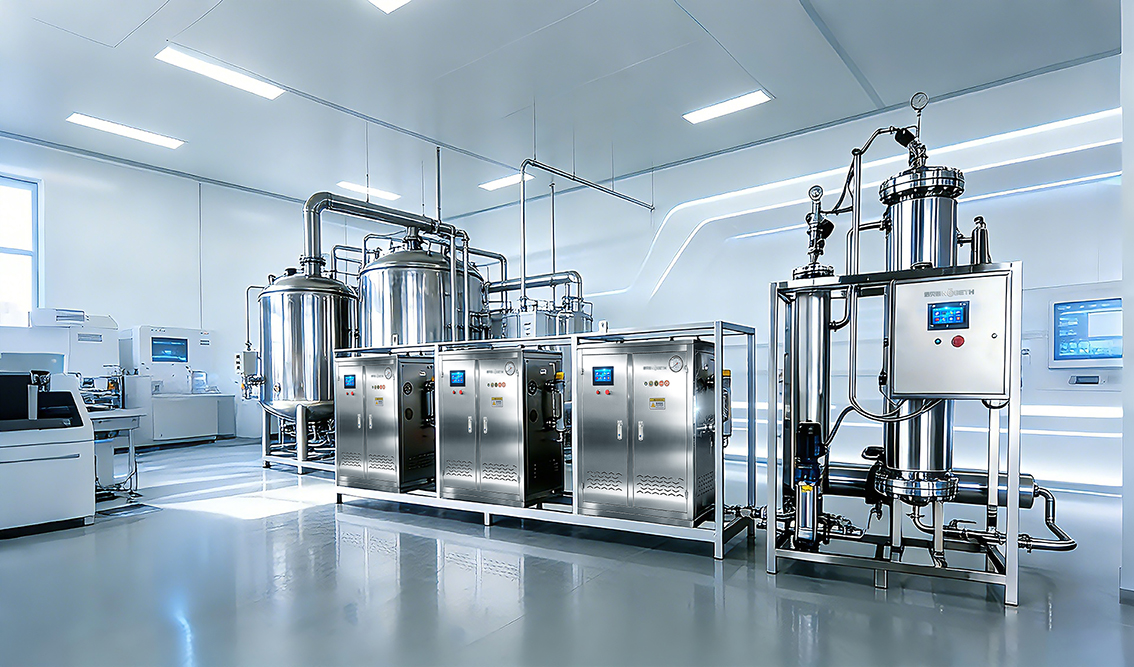
Nanjing Jinran Food Co., Ltd. provides quantified results demonstrating this precision control. Using a Nobeth AH72kw electric steam generator, the facility successfully heated 12 tons of honey to the target 40-50°C range within 3 hours, "maintaining constant temperature for optimal filtration." While honey processing differs from pharmaceutical production, the temperature control precision and consistency demonstrated directly translates to pharmaceutical heating applications.
Rapid Response and Production Flexibility
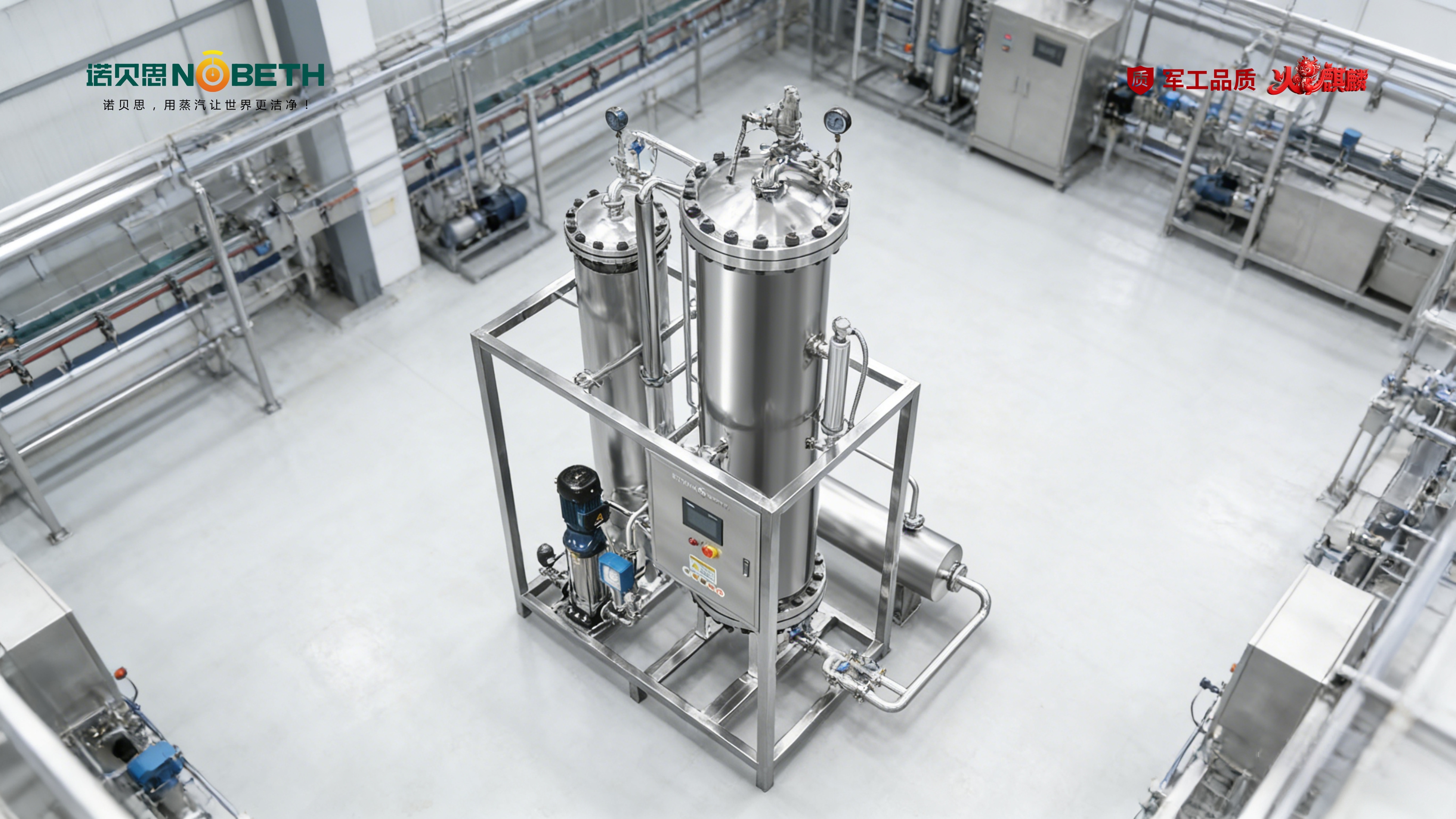
Pharmaceutical batch production often requires quick equipment startup and shutdown to accommodate varying production schedules. Traditional boiler systems typically require 30-60 minutes to reach operating pressure, limiting production flexibility. Rapid steam generation capabilities address this operational constraint.
The Nobeth FH Small Electric Steam Generator achieves saturated steam within 5 minutes of startup, dramatically reducing idle time between production runs. This rapid response capability proves particularly valuable for facilities running multiple small batches or requiring frequent sterilization cycles between different product campaigns.
Space efficiency represents another critical consideration for pharmaceutical facilities, where cleanroom square footage commands premium valuations. The Nobeth-1314 MINI Electric Steam Generator exemplifies space-optimized design, generating 2.6-32 kg/h of steam from a compact vertical footprint. Its patented design allows equipment placement in constrained spaces while maintaining full functionality, and the customizable aesthetic finishing accommodates pharmaceutical facilities' emphasis on professional presentation during regulatory inspections.
Water Quality Flexibility and Maintenance Considerations
Pharmaceutical facilities typically maintain purified water systems for process use, but steam generation equipment historically required additional water treatment to prevent scale formation and corrosion. The Nobeth AH series addresses this operational complexity through design features that accommodate pure water operation via copper float level controllers, eliminating the need for separate water treatment systems.
Manufacturing customer Yancheng Ruize Masterbatch Co., Ltd. experienced this advantage firsthand when transitioning to probe-type sensors in their five-unit Nobeth BH60KW installation. The upgrade "eliminated maintenance issues caused by poor water quality and scale buildup" that had plagued previous equipment. For pharmaceutical operations where equipment downtime directly impacts production schedules and batch delivery commitments, this reliability improvement carries significant operational value.
Maintenance philosophy also impacts total cost of ownership. The manufacturer emphasizes daily pressurized sewage discharge and regular scale cleaning as essential practices for maintaining thermal efficiency and equipment longevity. This straightforward maintenance approach aligns well with pharmaceutical operations' existing validation and preventive maintenance protocols.
Safety and Regulatory Compliance
Pharmaceutical facilities operate under intense regulatory scrutiny, making equipment safety and documentation critical selection factors. Electric steam generators inherently offer safety advantages through flameless operation, eliminating ignition risks in facilities handling flammable solvents or volatile compounds.
Nobeth holds a Type B Special Equipment Manufacturing License (TS2242185-2018) issued by Hubei Province and maintains ISO9001:2008 International Quality Management System Certification. This credentials package, combined with "One Machine, One Certificate" status indicating third-party professional verification, provides the documentation trail pharmaceutical quality assurance departments require for equipment validation.
The company's manufacturing facility—a 90,000 square meter Science and Technology Industrial Park with 130 million RMB investment—demonstrates the infrastructure commitment behind product quality. With over 20 technical patents for steam generation and design, the manufacturer has established authoritative expertise in specialized steam applications.
Market Validation and Industry Adoption
Market performance provides objective evidence of technology acceptance. The manufacturer reports reaching an estimated 30% global market share for small electric steam generators by 2023, indicating significant industry adoption. The customer portfolio includes over 60 Fortune Global 500 companies across manufacturing, food processing, healthcare, research, and energy sectors.
Academic and research institutions provide particularly relevant validation for pharmaceutical applications. Partnerships with Tsinghua University, Wuhan University, and Huazhong University of Science and Technology, along with the Chinese Institute of Physical and Chemical Technology, demonstrate the equipment's suitability for applications demanding the highest technical standards.
Customer feedback consistently emphasizes "good after-sales service," "simple operation," and "reliable brand quality"—factors that directly translate to reduced operational risk and lower total cost of ownership for pharmaceutical facilities.
Strategic Considerations for Pharmaceutical Managers
When evaluating electric steam boilers with 316L stainless steel construction, pharmaceutical production managers should consider several strategic factors beyond initial equipment cost. The 20% fuel consumption reduction achieved through integrated energy-saving devices significantly impacts operational budgets over equipment lifespans typically exceeding 15 years.
The comprehensive service model covering product development, program design, manufacturing, project implementation, and after-sales support reduces implementation risk—particularly valuable when validating equipment for GMP environments. Dedicated technical support throughout the equipment lifecycle helps maintain validation status and resolve issues promptly.
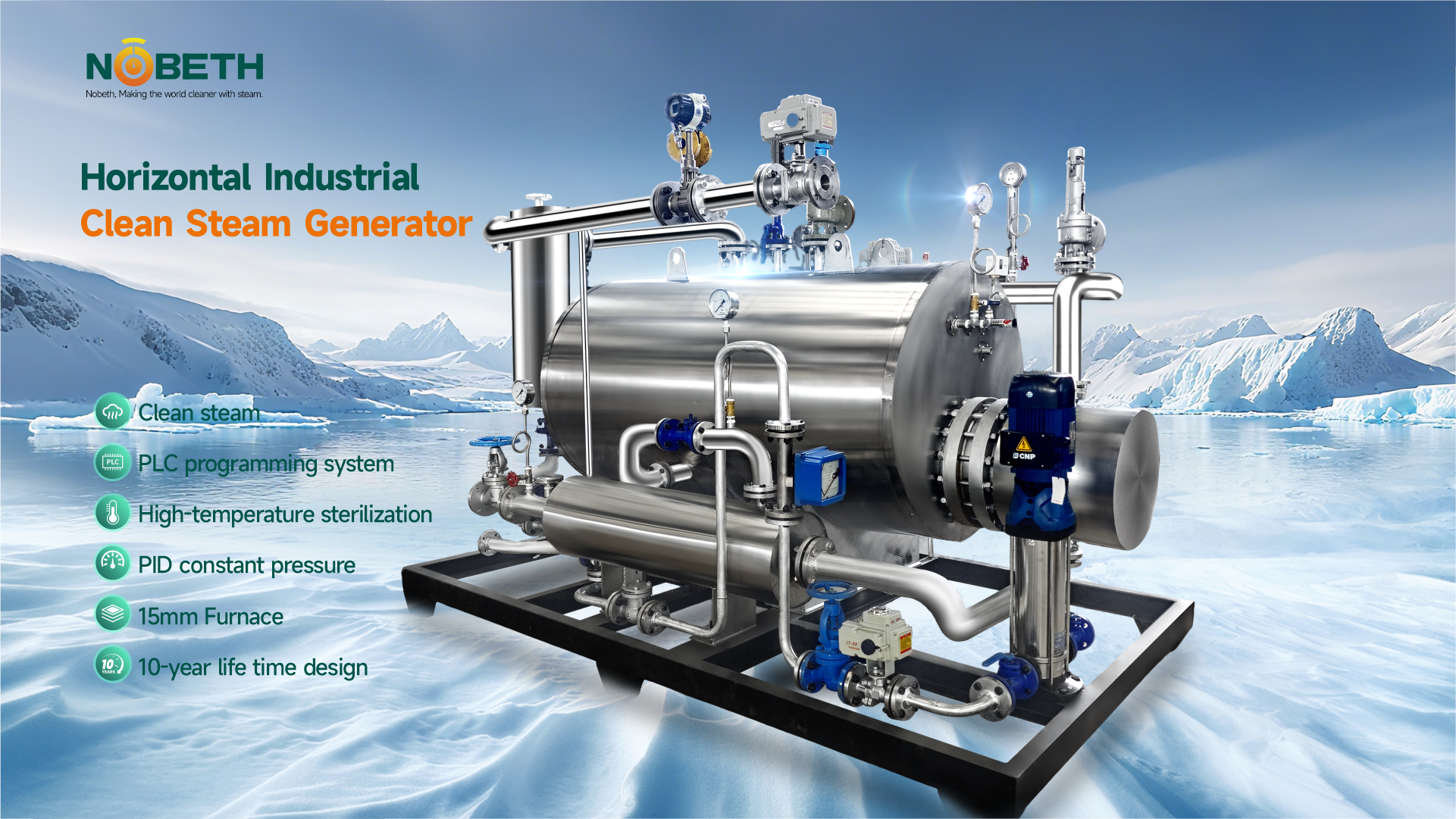
For facilities expanding capacity or modernizing existing steam systems, the scalable product range from 6KW laboratory units to 720KW production-scale systems enables standardization on a single equipment platform, simplifying operator training, spare parts inventory, and maintenance procedures.
Conclusion
The convergence of stringent GMP requirements, environmental regulations, and operational efficiency demands has made electric steam boilers with 316L stainless steel construction an increasingly compelling choice for pharmaceutical production facilities. The technology delivers contamination-free steam through zero-emission operation, provides precise process control via advanced automation, and offers the material compatibility pharmaceutical applications demand.
Manufacturers like Nobeth, with specialized focus on steam generation technology and documented track record across demanding industrial applications, have developed solutions specifically engineered for regulated environments. The combination of rapid steam generation, space-efficient design, IoT connectivity, and comprehensive service support addresses the multifaceted challenges pharmaceutical production managers face in maintaining compliant, efficient operations.
As pharmaceutical manufacturing continues evolving toward more flexible, data-driven production models, steam generation equipment that integrates seamlessly with modern facility management systems while maintaining fundamental reliability becomes not just an operational advantage but a strategic necessity.
https://www.nobethsteam.com/
nobeth