When you want to mix things in your food or chemical business, you have many options. You need a mixer that works for your needs and follows safety rules. Many companies use different industrial mixers, like:
-
Batch mixers
-
Continuous mixers
-
High-shear mixers
-
Planetary mixers
-
Ribbon blenders
Trusted brands like Orisun give you choices that help you work faster and keep things safe.
Key Takeaways
-
Pick the right industrial mixer by thinking about your materials, what your process needs, and safety rules. This helps your work go well and follow the rules.
-
Know how batch mixers and continuous mixers are not the same. Batch mixers are good for small jobs and let you change things easily. Continuous mixers work better for making a lot at once.
-
Customization is important. Change your mixer with the best blades and materials for your industry. This makes your product better.
-
Clean and take care of your mixer often. This helps your machine work well and keeps your product good.
-
Choose a trusted company like Orisun that gives help, lets you change your mixer, and follows safety rules. This helps your business do well.
Choosing the Best Industrial Mixer
Key Considerations
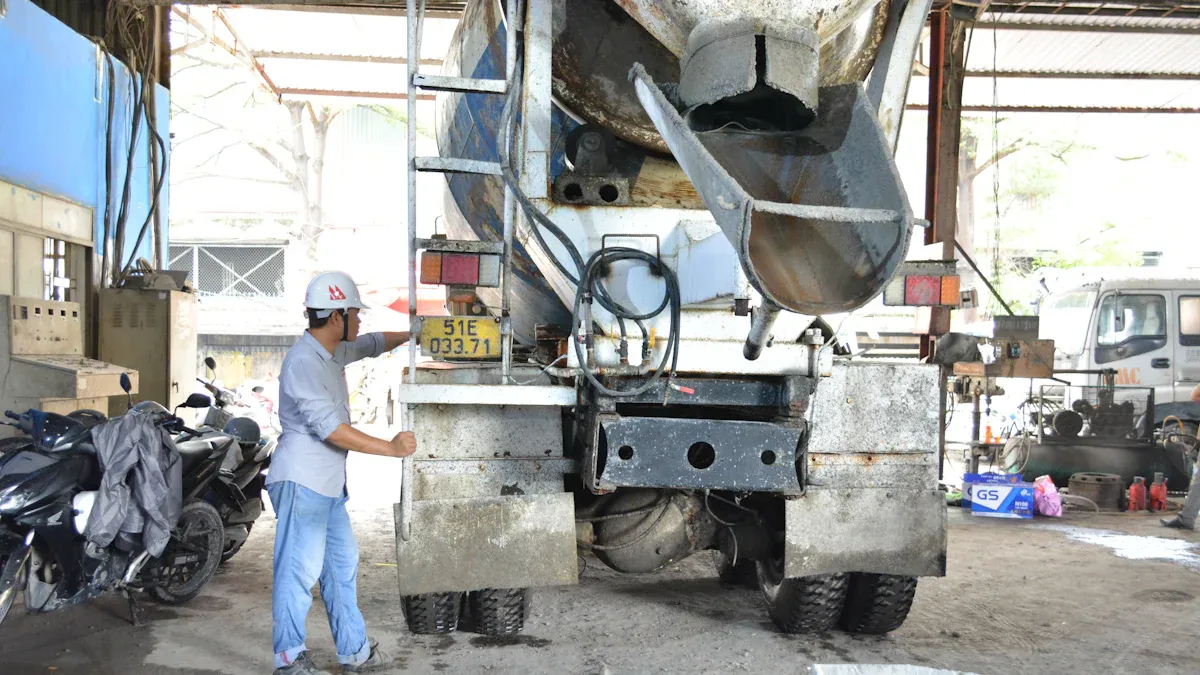
When picking an industrial mixing machine, you should think about a few things. The best mixer for food and chemical industries matches your materials, process, and safety needs. You want a machine that works well and fits your budget.
Here are the main things to think about:
-
Type of material you want to mix (liquids, powders, slurries, or chemicals)
-
Viscosity level of your material (how thick or thin it is)
-
Batch size and how much product you need to process at one time
-
Mixing intensity (gentle blending or high-shear mixing)
-
Space available in your facility for the mixing machine
-
Need for heating or cooling during mixing
-
Budget for equipment and operation
You should also check the manufacturer’s experience, product choices, and support. Orisun Mixer is a top brand in the industrial mixer market. It offers strong machines with many ways to customize. You can pick different blades, impellers, and designs for your process. Orisun uses tough materials that work for food and chemicals. The company gives great customer service and follows safety and hygiene rules.
Tip: Always make sure the mixer follows your industry’s rules. For food, look for FDA and HACCP approval. For chemicals, check if the mixer can handle your chemicals safely.
Application-Specific Needs
Every industry has its own mixing needs. You must match your mixer to your job for the best results. The table below shows how food and chemical industries need different things:
| Aspect | Food Industry Requirements | Chemical Industry Requirements |
|---|---|---|
| Standards | Must follow FDA and HACCP rules for safety and quality. | Focus on chemical compatibility and process automation needs. |
| Mixing Applications | Includes dry powder blending, emulsification, and high-viscosity mixing. | Involves high to low viscosity mixing, particle size reduction, and homogenization. |
| Mixer Types | Uses hygienic mixers, high-shear mixers, and planetary mixers. | Uses static mixers, agitators, and dispersers for different jobs. |
| Innovations | New ideas in clean-in-place cleaning and energy-saving designs. | Flexible batch and continuous processing for better reaction rates. |
You need to think about what your ingredients are like. If you mix soft food powders, you need a gentle mixer. If you mix thick chemicals, you need a mixer with strong power. Your production size matters too. Big batches need bigger machines. Small batches may need more flexible options.
Orisun Mixer can help you with these needs. You can change the mixer for your process, whether you need fast blending, high-shear mixing, or easy cleaning. Orisun’s mixers fit into many production lines and can handle lots of materials. This makes Orisun a smart choice for many businesses.
Note: Changing your industrial mixing machine can help it work better and last longer. Pick the right blades, materials, and design for your job.
By thinking about your materials, process needs, and industry rules, you can pick the best industrial mixer for your business. Orisun Mixer gives you the quality, safety, and choices you need to do well.
Types of Industrial Mixers
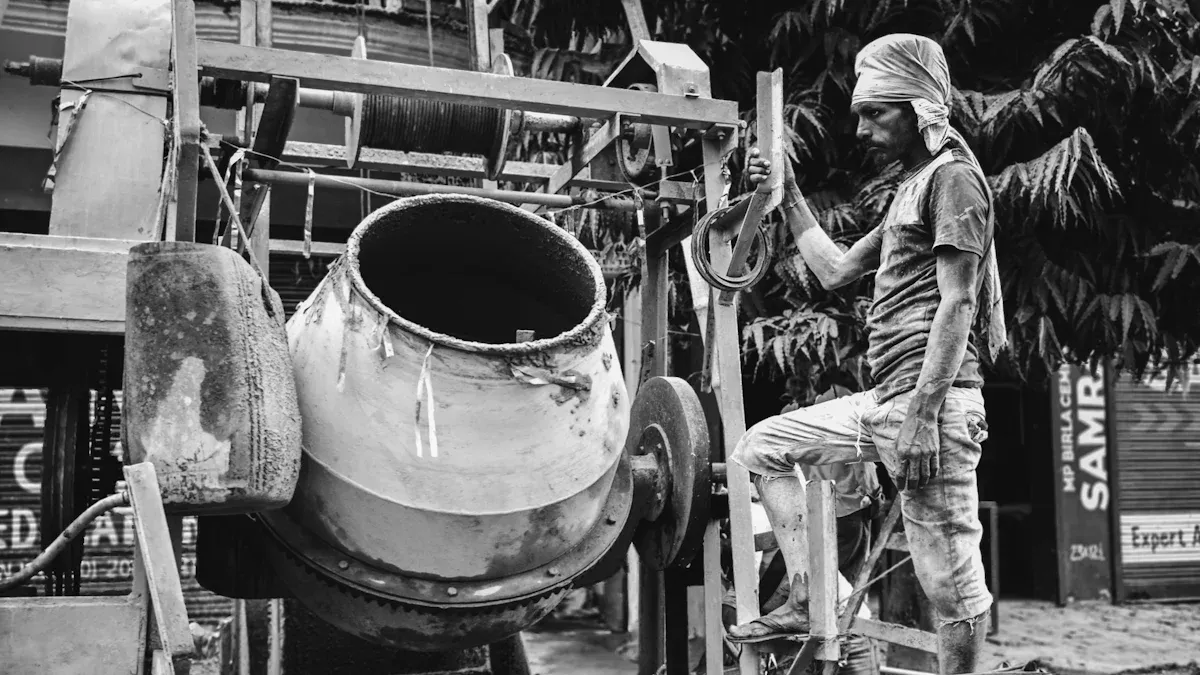
Picking the right mixing machine helps you do your job well. Each mixer type is good for certain tasks. Here is a simple guide to the main mixers used in food and chemical industries.
Agitators
Agitators have blades or paddles that spin inside a tank. They keep things moving so nothing settles. You use agitators to mix liquids or keep small bits floating. In food, agitators blend things like sauces or dairy. In chemical plants, they mix chemicals so reactions happen evenly.
Ribbon Blenders
Ribbon blenders have metal strips that twist around a shaft. These strips move powders and solids in two ways at once. Food factories use ribbon blenders to mix dry things like flour or spices. Chemical companies use them to blend powders and granules so everything spreads out evenly.
Tip: Ribbon blenders make mixes very even. They work for both small and big batches.
Paddle Mixers
Paddle mixers have flat paddles that scoop and lift stuff. This makes a figure-8 pattern and mixes everything well. You use paddle mixers for thick or sticky foods like dressings or salsa. They also mix solid and semi-solid things in chemical production.
High Shear Mixers
High shear mixers have fast blades that break up and blend things. They are great for mixing oil and water or breaking up lumps. In food, you use them for sauces and creams. In chemical work, they help make smooth and stable mixes.
Planetary Mixers
Planetary mixers move the mixing tool in a circle while the bowl stays still. This helps mix thick or sticky stuff really well. Bakeries use planetary mixers for dough, batter, and whipped foods. Chemical labs use them for mixing pastes or creams.
Static Mixers
Static mixers do not have moving parts. They use fixed baffles inside a pipe to mix liquids or gases as they flow. These mixers are great for jobs that run all the time. You see them in food, chemical, and medicine factories where mixing needs to be steady and easy.
| Key Features | Description |
|---|---|
| Effective Dispersion | Mixes gases and liquids very well |
| Continuous Dosing | Good for adding chemicals without stopping |
| Maintenance-Free | No moving parts, so less fixing needed |
| Energy Efficiency | Uses little energy to mix |
| Consistent Quality | Gives you the same results every time |
Specialty Mixers
Some jobs need special mixers. Hygienic mixers follow strict food safety rules. Shearing mixers help make smooth creams for cosmetics. Acoustic mixers blend gentle materials without heat, which is important for some foods and medicines. Vacuum mixers take out air bubbles for high-quality medical or food products.
Note: Picking the right mixer helps you make better products and keeps your work running smoothly.
Batch vs. Continuous Mixing
Batch Mixing Overview
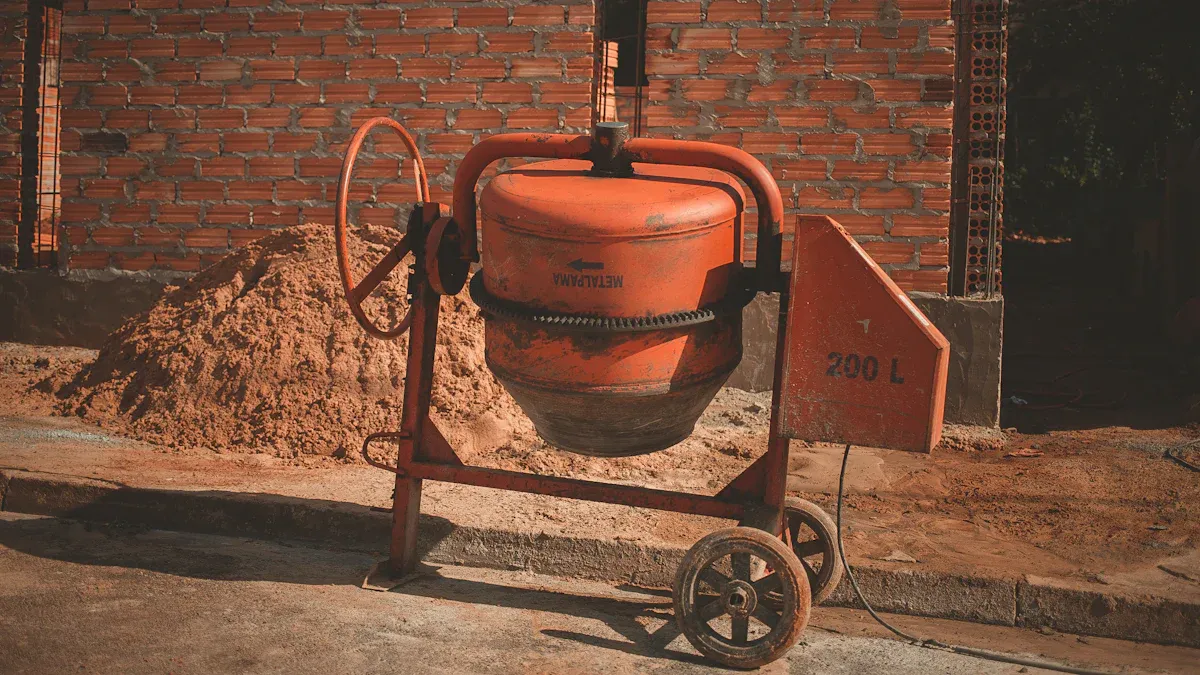
Batch mixing gives you more control and flexibility. You mix a set amount of material each time. This lets you change recipes fast. You can adjust the process for every batch. Batch mixing is good for small runs. It also helps when you need to switch products often.
Some good things about batch mixing are:
-
It is easy to change recipes for new products.
-
The first cost is lower, so small businesses can use it.
-
You can check the quality of each batch easily.
But batch mixing can slow down your work. You must stop to load and unload the mixer. You also need to clean it between batches. This can cause downtime and more labor costs. This is a bigger problem in large factories.
Tip: Batch mixing works well for special products. It is also good if you want to check quality often.
Continuous Mixing Overview
Continuous mixing keeps your process going all the time. You put materials in, and the product comes out in a steady flow. This is best for making lots of the same product. You get the same quality every time.
Some main benefits of continuous mixing are:
-
It is very efficient because it does not stop.
-
You can make more product in less time.
-
Every batch has the same quality and ingredient amounts.
-
There is less downtime and fewer manual steps.
Continuous mixing is great for big factories. These factories make the same thing all day. You save time and get steady results.
Selection Criteria
You should pick batch or continuous mixing based on your needs. Ask yourself these questions:
-
How much do you need to mix?
-
Does every batch need to be the same?
-
Will you change recipes a lot?
-
What equipment do you have before and after mixing?
-
Do you want to make more in the future?
Here is a simple table to help you choose:
| Feature | Batch Mixer | Continuous Mixer |
|---|---|---|
| Production Volume | Good for small batches and custom mixes | Best for making lots of product |
| Customization | Lets you change mixing for each batch | Only works for the same recipe |
| Operational Speed | Slower because you must stop and start | Faster because it never stops |
Look at your goals and quality needs. This will help you pick the best mixing method for your business.
Customization Options
When you pick an industrial mixer, you want it to fit your needs. Customization helps match the mixer to your materials and safety rules. It also helps you reach your production goals. Orisun Mixer gives you many ways to change your equipment. This helps you get the best results for your business.
Tailored Features for Food Industry
Mixers for food must follow strict safety rules. Custom options help keep food safe and high quality. Here are some ways to change your mixer for food:
-
Pick blades and impellers for your mixing job. Propeller blades are good for mixing liquids together. Dispersion blades are better for high-shear blending.
-
Choose the mixer design that fits your space. You can pick tank-mounted, portable, or inline mixers.
-
Use strong materials. Stainless steel is best for food. It does not rust and is easy to clean.
These features help you follow food rules and keep products safe.
Tailored Features for Chemical Industry
Mixers for chemicals must handle tough jobs and keep people safe. You can add special features to your mixer:
-
Programmable batch cycles let you control each mixing step.
-
Fast discharge doors and automatic ingredient addition save time and keep workers safe.
-
Mixers made for hazardous duty protect your team and building.
-
Custom parts help stop contamination and make better products.
Orisun Mixer can add these features to your equipment. This helps you get better results and meet safety rules.
Integration with Production Lines
You can connect your mixer to other machines in your factory. This makes your work faster and more efficient. When mixers work with other machines, you save energy and materials. You also spend less on labor. Quality control is better because everything works together.
Tip: Integrated mixers give you more control and flexibility. You can change them for different materials and jobs.
Orisun Mixer has solutions that fit into your production line. This helps you make more products and keep them the same every time.
Mixing Classifications
Knowing the main mixing types helps you pick the right one. Each type works best for certain materials and jobs. Here is a table that shows common mixer types and what they do:
| Type of Mixer | Description | Applications |
|---|---|---|
| Batch Mixers | Easy to move and use for small amounts. | Used with drums and tanks for mixing. |
| Continuous Mixers | Mixes big amounts all the time. | Works in lines and with monitoring systems. |
| High-Shear Mixers | Fast blades mix tough stuff smoothly. | Used in medicine, makeup, and research labs. |
| Low-Shear Mixers | Mixes gently so soft things do not break. | Used in food, like fruits and veggies. |
| Multi-Shaft Mixers | Can be changed for special jobs. | Used in many kinds of factories. |
Liquid-Liquid Mixing
Factories often need to mix two or more liquids together. This can be hard sometimes:
-
Swirls can pull air into the mix.
-
You can lose product if mixing is weak.
-
Making bigger batches can be tough.
You can fix these problems by using special blades. You can also change the tank shape or add smart controls. These steps help you get good mixes and waste less.
Solid-Liquid Mixing
When you mix solids with liquids, you want everything mixed evenly. Mixing pumps help blend things and keep them stable. In food, this makes flavors even and stops things from sinking. Ribbon mixers are good for mixing solids and liquids. They work fast and give you good results. This saves time and makes better products.
Tip: Mixing well in food factories helps your products taste the same every time.
Solid-Solid Mixing
Mixing solids like powders or grains can be hard. Many things change how well you can mix them. Here is a table that shows what matters:
| Factor | Description |
|---|---|
| Shape | Changes how things move and mix together. |
| Density | Affects how things settle in the mixer. |
| Size | Makes a difference in how things combine. |
| Static Charge | Can make things stick or mix unevenly. |
| Viscosity | Changes how things flow when mixing. |
| Batch Size | Big batches may need new ways to mix. |
| Mixing Dura www.orisunmachinery.com Orisun |