What Determines the Cost of Building a Glamping Resort
Anyone researching how much it costs to build a glamping resort will quickly discover that there is no single number that applies across the industry. Instead, pricing is shaped by a combination of variables that shift depending on the scale and ambition of the project. According to the pricing approach used by Safari Tent Manufacturing & Solutions Provider, a specialized outdoor hospitality equipment manufacturer, costs are determined through custom quotes based on product model, material choices such as wood versus steel, and the level of customization requested by the client. This means that before any budget can be finalized, developers need to understand how architectural style, materials, site conditions, and deployment method interact to shape the final investment.
Architectural Diversity and Its Effect on Investment Scale
The variety of tent architecture available on the market has a direct impact on how much a glamping project will cost, since more elaborate structures require additional materials, engineering, and interior finishing.
Entry-Level Structures for Cost-Conscious Projects
For developers seeking simplicity and proximity to nature, entry-level options such as the Safari Tent – Venus offer a classic A-frame structure with breathable canvas fabric, a waterproof PVC roof, and a solid wood and steel frame. Its lightweight structure simplifies logistics and installation, making it suited for family camping and small-scale glamping sites under a hardware supply delivery model. Similarly, the Safari Tent – Milo and Safari Tent – Vega provide compact, wooden-framed designs with Oxford canvas sidewalls, appealing to boutique retreats and solo travelers or couples without demanding extensive customization.
Mid-Range Multi-Functional Units
As project ambitions grow, so do structural requirements. The Safari Tent – Vega Plus introduces higher ceilings and an optional balcony to reduce the closed-in feeling of standard tents. The Safari Tent – Taurus is designed for climate adaptability across deserts, grasslands, and rainforests, and is available with flexible frame options in solid wood, aluminum alloy, or galvanized steel. Units like the Safari Tent – Virgo and Safari Tent – Superstar add multi-room layouts, laminated wood poles measuring φ90mm, and 900D Oxford fabric, all of which contribute to a higher, more capable price point.
Large-Scale and Landmark Investments
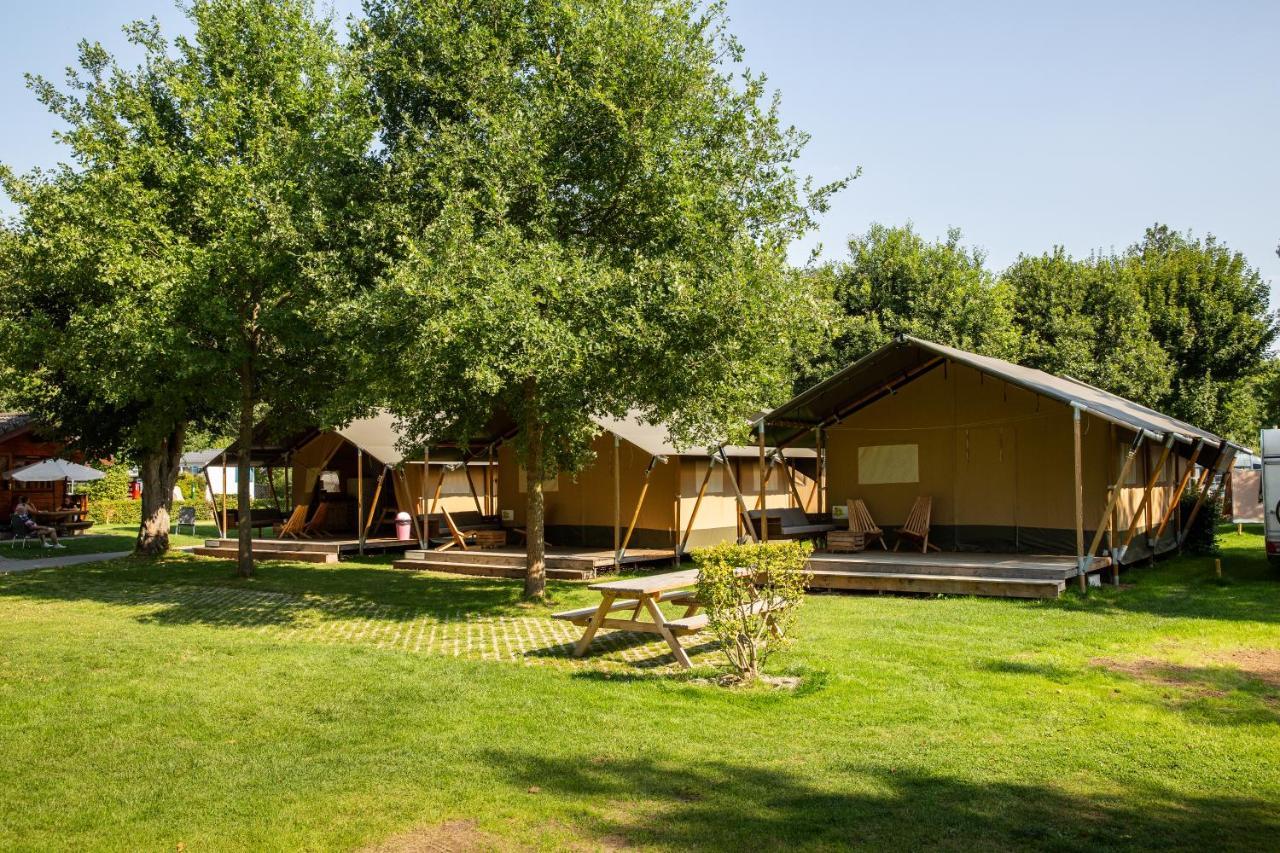
At the upper end of the spectrum, resorts pursuing landmark-scale accommodations will encounter units such as the Safari Tent – Heath and Safari Tent – Wild, both featuring a 7x10.73m footprint with integrated en-suite bathrooms and premium 900D Oxford materials. The Safari Tent – Loft, a two-story glamping unit with a 5x9m footprint, integrates a second floor, staircase, bedrooms, bathroom, lounge, and kitchen, representing a significantly larger investment than entry-level tents. Event-oriented structures like the Safari Tent – Tipi and Safari Tent – Pyramid, which support modular connection between units and large-span designs for reception halls, also carry costs proportional to their scale and function.
Material Selection: Wood, Steel, and Fabric Grades
Material choice is one of the clearest cost levers identified in the pricing structure. Outer covers commonly use 850g/sqm PVC-coated polyester, which delivers 100% waterproof and UV-resistant membrane performance, while some units, such as the Safari Tent – Square, extend service life up to 20 years using an 850g/m² PVC membrane. Frame options range from hot-dip galvanized steel, which offers a service life exceeding 10 years, to anti-corrosion treated solid wood and Finnish pinewood used in units like the Safari Tent – Epic. High-frequency welded PVC membranes and premium fabrics such as 900D Oxford further affect both durability and price. Choosing between these materials allows developers to balance upfront investment against long-term durability requirements.
Site Conditions and Foundation Requirements
The foundation on which a tent is placed also factors into overall project planning. Structures are compatible with grasslands, concrete, beaches, and deserts, meaning that site preparation needs vary depending on terrain. Coastal or humid environments may call for units like the Safari Tent – Octagon, which uses an 80x80mm galvanized steel frame for resistance to rust and corrosion, while desert or grassland deployments may rely on the climate-adaptable design of the Safari Tent – Taurus.
Deployment Model: Permanent, Semi-Permanent, or Portable
Another major cost consideration is the deployment model. Options include permanent, semi-permanent, and portable structures, each aligned with different project timelines and budget expectations. The modular structural systems used across the product range allow for rapid installation, disassembly, and relocation, which can simplify implementation timelines through simplified modular assembly. Projects intended for long-term, fixed operation may lean toward permanent or semi-permanent configurations, while those seeking flexibility to relocate or expand seasonally may favor portable options such as the Safari Tent – Army, known for its arched roof structure and powder-coated frame with customizable dimensions.
Customization Scope and Service Model
Beyond the tent itself, the service model applied to a project influences total cost. The service approach combines product supply, customization, and modular expansion, with a service scope covering product design, structural engineering, interior layout customization, and installation guidance. This means resorts can request tailored internal layouts, such as the flexible customization offered by the Safari Tent – Lodestar, which can be internally arranged to include multiple rooms and bathrooms depending on operational needs.
Long-Term Value Considerations
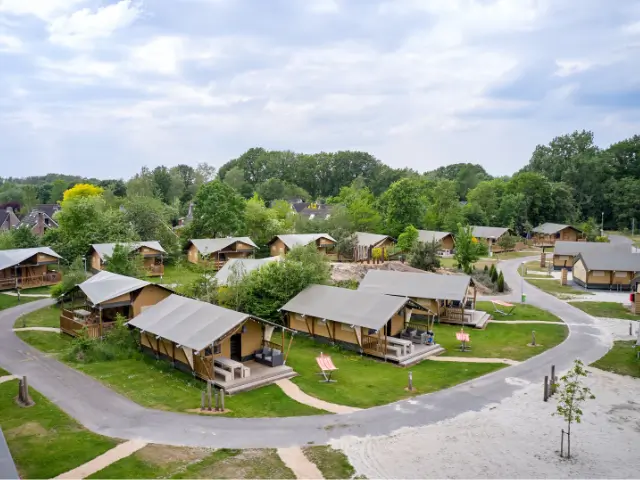
While upfront cost is important, long-term value also plays a role in overall budgeting. Features such as self-cleaning PVC membranes, found in the Safari Tent – Taurus and Safari Tent – Square, reduce maintenance costs over time by using rainwater to wash away dust. Frame service life exceeding 10 years for galvanized steel options, combined with dual-layer roofing found in units like the Safari Tent – Epic, contributes to lower lifecycle costs even when initial investment is higher.
Choosing the Right Partner for Budget Planning
Because pricing depends on so many interconnected variables, resort developers benefit from working with a manufacturer capable of covering the full spectrum of needs. Safari Tent Manufacturing & Solutions Provider serves industries including luxury glamping resorts, eco-lodges, boutique hotels and Airbnb accommodations, outdoor tourism and adventure parks, cultural tourism and event venues, and beachfront and mountain resorts, working with hospitality developers, camp operators, private landowners, and event planning organizations. With after-sales support that includes installation guidance and maintenance recommendations for long-term outdoor use, the company positions itself as a resource for developers who need clarity on product model selection, material trade-offs, and customization scope before finalizing a glamping resort budget.
www.stars-glamping.com
Stars Glamping Tent Co.,Ltd
