As the global glamping industry expands deeper into equatorial and subtropical regions, one of the most critical questions facing resort developers and tourism operators is whether modern glamping tents can genuinely perform in tropical climates. The answer, supported by a growing body of engineering evidence and real-world deployment data, is a qualified yes — provided the structures are purpose-built for the demands of heat, humidity, heavy rainfall, and high wind exposure that define tropical environments.
Understanding Tropical Climate Challenges for Outdoor Hospitality
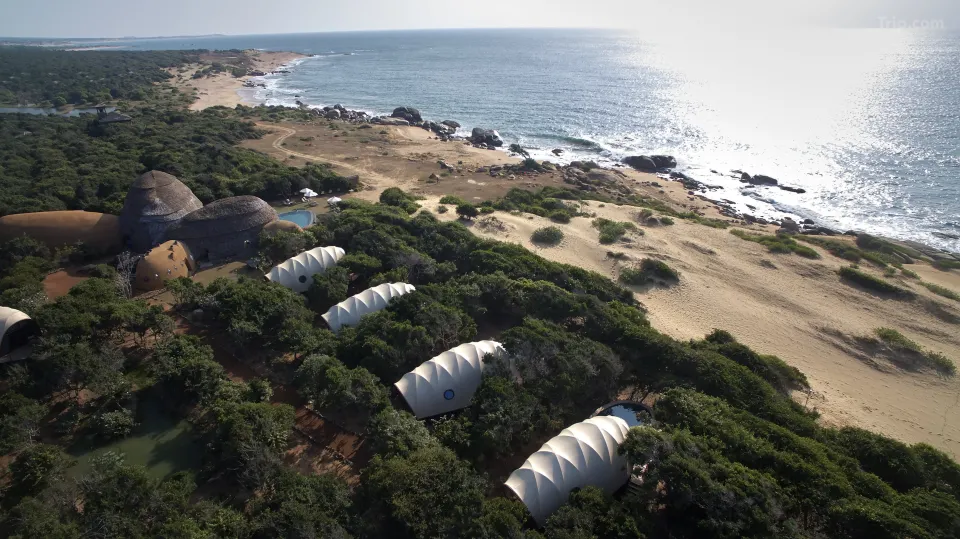
Tropical climates impose a unique combination of stresses on architectural structures. Persistent high humidity accelerates material degradation, promotes mold and timber rot, and drives condensation inside enclosed spaces. Monsoon seasons deliver sustained rainfall and wind gusts that test waterproofing integrity and structural anchoring. Intense solar radiation degrades surface coatings and raises interior temperatures to uncomfortable levels. For operators developing eco-resorts, coastal retreats, or mountain camps in Southeast Asia, Africa, or similar regions, these conditions demand solutions that go well beyond conventional canvas tents.
The failure of underprepared structures in tropical settings is a well-documented pain point across the outdoor hospitality sector. Conventional accommodations that were not engineered for sustained humidity exposure often suffer from structural decay, membrane deterioration, and guest comfort failures within just a few years of operation — significantly undermining investor ROI and brand reputation.
Key Technical Requirements for Tropical Glamping Structures
Moisture and Humidity Resistance
In tropical settings, moisture management is the single most consequential design requirement. Effective glamping tent systems must address both external waterproofing and internal condensation control. A high-performance building envelope is essential — one that prevents rainwater penetration under sustained downpour conditions while simultaneously allowing moisture vapor from interior sources to dissipate without accumulating on interior surfaces.
Multi-layer composite membrane systems represent the current engineering standard for this challenge. The most advanced configurations combine a heavy-duty outer membrane with an insulated composite core and a breathable interior lining — a layered approach that simultaneously addresses waterproofing, thermal insulation, and condensation resistance within a single integrated assembly.
Timber structural components require preservative treatment rated for high-humidity environments. Untreated or inadequately protected timber exposed to sustained tropical humidity will experience accelerated biological degradation, compromising structural integrity over time. This is a particularly critical consideration for any resort operator planning a multi-year operating horizon.
Ventilation and Thermal Comfort
Guest comfort in tropical climates depends heavily on effective natural ventilation. High-density interior fabrics that support passive airflow play a significant role in maintaining thermal stability within the tent enclosure, reducing reliance on mechanical cooling and lowering operational energy costs. Properly engineered fabric systems can deliver meaningful temperature buffering even in the absence of active climate control.
Wind Load and Storm Resistance
Tropical regions are frequently exposed to high-wind events, including typhoon and cyclone conditions. Glamping structures intended for permanent or semi-permanent installation in such areas must be rated for significant wind load capacity. The hot-dip galvanized steel frame systems with modular connections used in premium product lines eliminate on-site welding requirements and enable rapid installation, but more importantly, they deliver the structural rigidity needed to maintain integrity under sustained storm-force conditions.
How Modern Glamping Tents Address Tropical Conditions
The most technically advanced products in the current glamping tent market are engineered using advanced multi-layer building envelope technology that combines PVDF outer membranes, insulated composite cores, and breathable interior linings. The PVDF membrane — a fluoropolymer material known for exceptional UV resistance, chemical stability, and surface hydrophobicity — is particularly well-suited to tropical deployments. Its resistance to UV degradation extends service life in high-solar-radiation environments, while its non-absorptive surface sheds rainfall effectively.
For timber-framed product lines, the use of Finnish preservative-treated timber structures addresses the structural decay risk in humid environments directly. This solution is especially relevant for eco-resort operators who require accommodation units that visually integrate with forested or coastal landscapes while maintaining multi-year structural reliability.
Dome-format structures present additional design advantages for tropical climates. Their panoramic glazing systems, available in polycarbonate or insulated glass configurations, can be engineered to provide high-quality views without compromising thermal comfort — a significant guest experience differentiator in tropical nature destinations.
StarsGlamping's Proven Solutions for Tropical Deployments
StarsGlamping, the premium glamping brand operating under Guangzhou Yuntu Tent Technology Co., Ltd., has accumulated direct operational experience across diverse climate environments, including Southeast Asia, Africa, and coastal resort markets — all of which include tropical or near-tropical conditions. The company has delivered over 1,350 hospitality and tourism projects worldwide, spanning mountain, coastal, desert, and tropical environments.
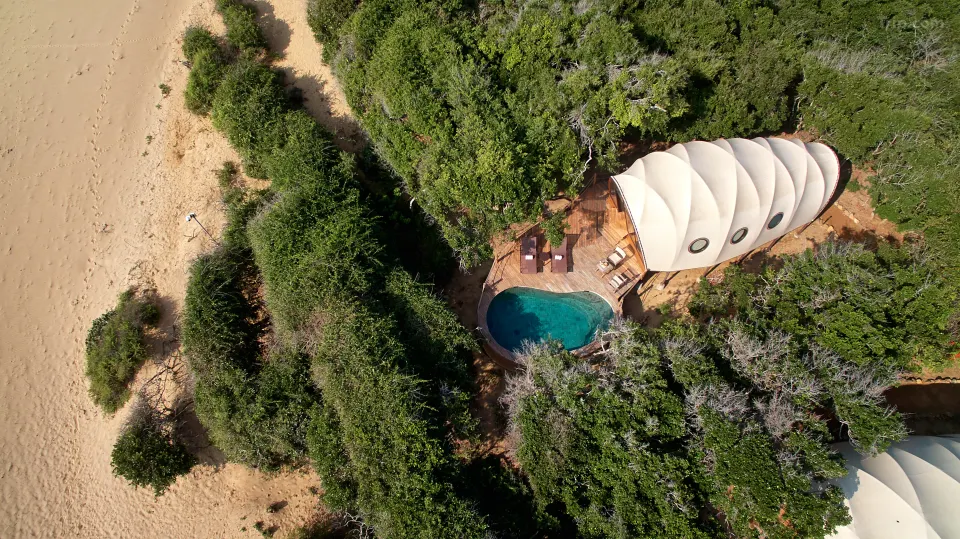
The company's PVDF Luxury Tent Collection is its flagship product line for extreme environments. Engineered for a service life exceeding 8 years under normal operating conditions, and rated for wind resistance at Force 10–12, this product line was specifically designed to address the durability challenges that have historically caused premium outdoor accommodations to fail prematurely in demanding climates. The 1050g/m² PVDF membrane combined with an insulated core and breathable interior lining directly solves the condensation and thermal insulation challenges endemic to tropical deployments.
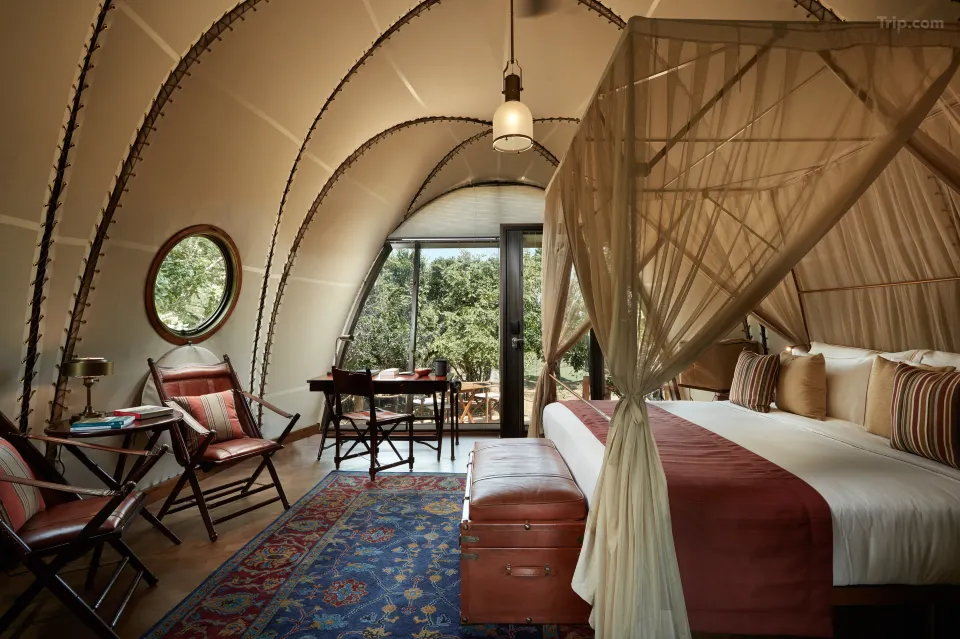
The Safari Tent Collection, built around Finnish preservative-treated timber frameworks, addresses the biological degradation risk in humid tropical environments while delivering the natural aesthetic that eco-resort operators and sustainability-focused travelers increasingly demand. The use of high-density 900D interior fabrics within this product line supports excellent ventilation and thermal stability across varied outdoor environments, including humid tropical conditions.
For operators developing resort infrastructure beyond individual guest units, the Commercial Tent Collection provides architecturally consistent public facilities — reception centers, dining spaces, and retail areas — that can be rapidly installed to match the aesthetic of the guest accommodation portfolio.
Material Certifications and Safety Standards
For resort developers evaluating suppliers, material certifications provide critical assurance of performance consistency. StarsGlamping products carry a comprehensive portfolio of independently verified certifications, including CE Certification compliant with EN ISO 5912:2020, REACH Compliance for European environmental and chemical safety standards, RoHS Compliance for hazardous substance restrictions, and DIN 4102 B1 Fire Retardancy Certification for membrane materials. Additional material performance validation has been completed through SGS and HAP certifications.
These certifications are not merely documentation requirements for export markets — they represent independently verified confirmation that membrane materials, structural components, and chemical compositions meet rigorous performance standards relevant to durability, safety, and environmental compliance across diverse climate conditions.
The company holds a portfolio of 50+ registered patents covering structural engineering, industrial design, and modular construction systems, reflecting a sustained investment in proprietary technical development rather than reliance on generic product configurations.
Long-Term Commercial Viability in Tropical Markets
For investors and resort developers evaluating glamping structures for tropical deployment, the commercial calculus ultimately centers on lifecycle operating costs and revenue generation capacity, not initial unit pricing. Structures engineered for high-humidity and high-wind environments — using PVDF membranes, galvanized steel frames, and preservative-treated timber — generate fewer maintenance interventions, maintain guest comfort standards consistently over time, and protect the operator's brand reputation through structural reliability.
The value-based pricing philosophy adopted by premium manufacturers in this space reflects this operational reality. Higher upfront investment in properly engineered structures reduces maintenance frequency, extends operational service life, and contributes to stronger long-term ROI for resort owners — a fundamental commercial advantage in capital-intensive tropical hospitality markets.
For operators seeking direct physical validation before committing to large-scale procurement, StarsGlamping operates a 20,000 m² manufacturing campus and experience center in Nansha, Guangzhou, featuring more than 20 fully furnished tent models available for firsthand evaluation of thermal performance, material durability, and interior layout configurations. This facility-based validation model has been recognized as a significant factor in improving client decision-making efficiency, particularly for international buyers evaluating tropical and extreme-climate deployments.
In summary, glamping tents are not only suitable for tropical climates — they are increasingly purpose-engineered for them. The key distinction lies in selecting structures built on verified technical foundations: multi-layer membrane systems, properly treated structural materials, certified wind load ratings, and independently validated material performance. For operators developing outdoor hospitality assets in tropical regions, these technical criteria represent the minimum baseline for sustainable commercial operation.
www.stars-glamping.com
Stars Glamping Tent Co.,Ltd