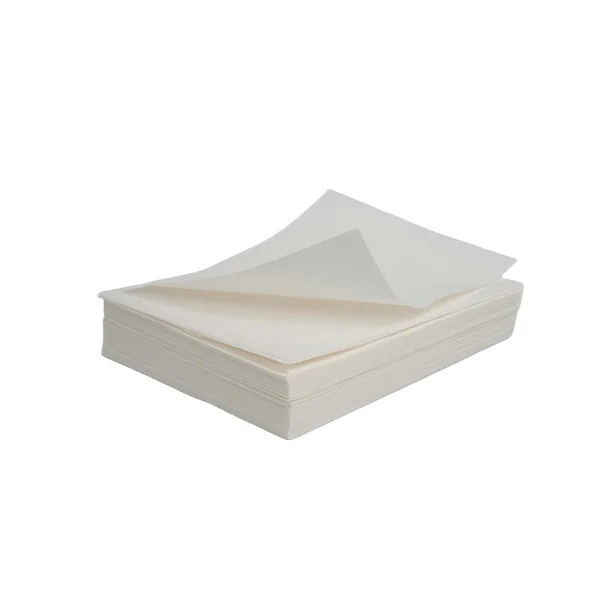
Mural Materials are no longer selected only for appearance. In commercial interiors, retail environments, public spaces, exhibitions, hospitality projects, and large-format wall graphics, the substrate determines how well a mural performs during printing, installation, daily use, and eventual replacement. Surface compatibility, dimensional stability, ink adhesion, opacity, environmental conditions, and installation efficiency all need to be evaluated together.
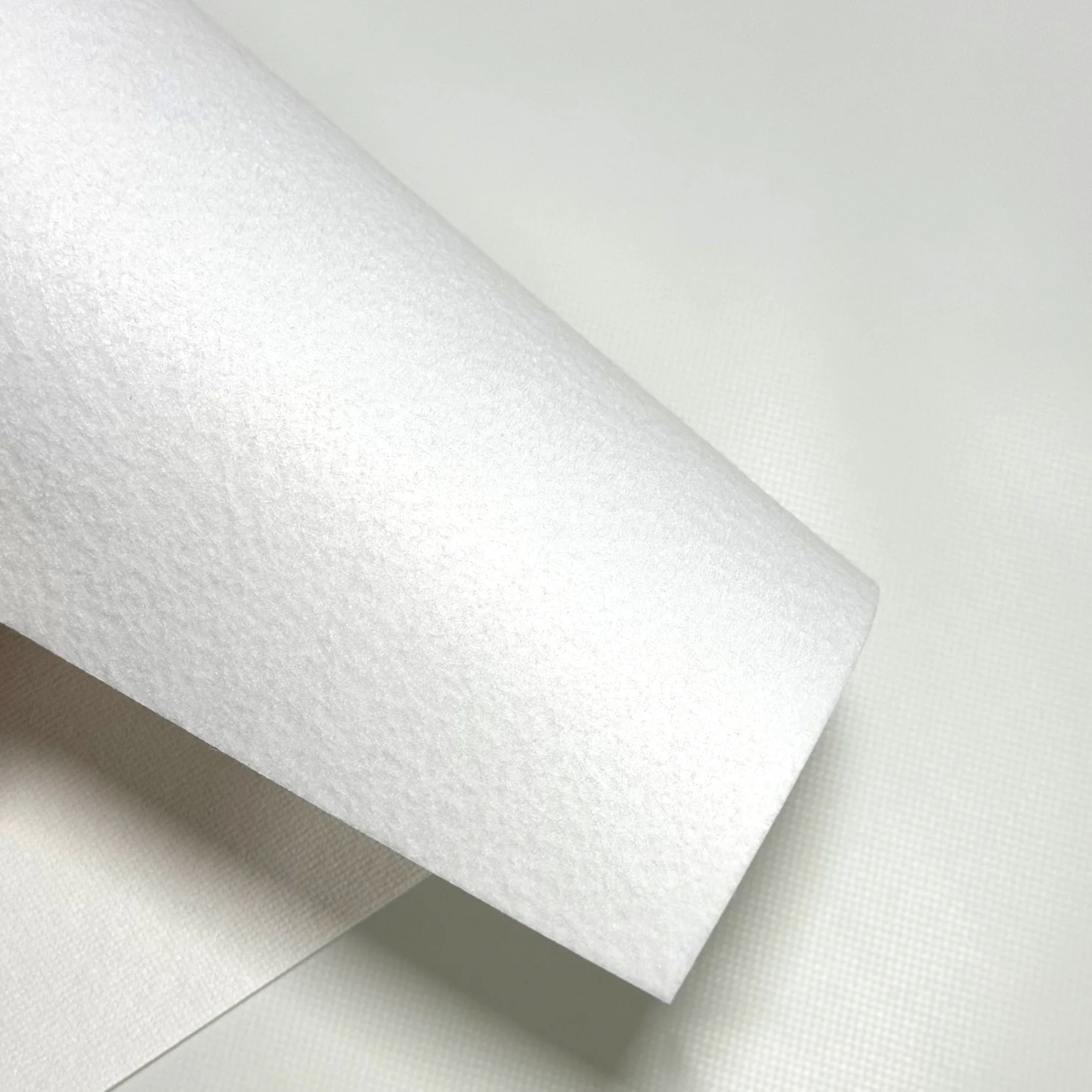
For manufacturers and project suppliers, the right Mural Materials should provide a predictable production window rather than simply a visually attractive surface. A material that prints well but curls during installation, absorbs excessive ink, or loses adhesion on a large wall can create higher total costs than a slightly more expensive substrate with better process stability.
What Defines High-Performance Mural Materials?
A professional mural material needs to satisfy several technical requirements simultaneously. The first is dimensional stability. Large murals can extend across several meters of wall surface, so even small changes in width or length can become visible at panel joints. Materials with controlled dimensional behavior help maintain alignment during printing, trimming, and installation.
The second requirement is printability. Large-format UV, latex, solvent, and other digital printing processes place different demands on the surface. The coating or printable layer needs to provide controlled ink reception without excessive spreading, pooling, or uneven drying. This becomes particularly important when a mural contains fine typography, gradients, skin tones, architectural details, or high-resolution photographic imagery.
Opacity is another critical specification. A mural installed over a dark, uneven, or previously decorated wall may require high coverage to prevent the underlying surface from affecting the final image. A substrate with insufficient opacity can force additional ink consumption or require an additional backing layer, increasing production complexity.
Surface texture must also be considered. Smooth Mural Materials are generally suitable when photographic detail and sharp text reproduction are priorities, while textured surfaces can be selected when the project requires a more traditional painted-wall appearance or when minor wall imperfections need to be visually softened.
Match the Material to the Printing Process
One of the most common mistakes in mural production is selecting the substrate before considering the printing system. Mural Materials should be qualified against the actual printer, ink technology, curing or drying conditions, and finishing process.
For example, UV printing relies on rapid ink curing directly on the substrate. The surface therefore needs sufficient compatibility with UV ink adhesion and curing behavior. Latex printing introduces heat during the printing and drying stages, making dimensional stability especially important. If a material changes dimension under elevated temperatures, panel alignment can become more difficult during installation.
For solvent or eco-solvent applications, surface coating and ink absorption influence drying speed, color density, and image consistency. Excessive absorption may reduce color saturation, while insufficient ink anchoring can compromise scratch resistance or handling performance.
A useful qualification process is to test the material under production conditions rather than relying only on laboratory specifications. A practical test should include a representative image, the intended ink mode, maximum production width, drying or curing conditions, lamination if applicable, and the actual installation method.
This approach reveals issues that basic datasheets may not show, such as edge curling, surface marking, color variation, or adhesion changes after installation.
Dimensional Stability Matters More as Mural Size Increases
Small graphics can sometimes tolerate minor dimensional changes. Large murals cannot.
Consider a wall graphic consisting of six vertical panels, each approximately 1.2 meters wide. If the material experiences only a 0.2% dimensional change across its width, the accumulated difference can become significant when multiple panels are joined. Even when the individual variation appears small, repeated deviations can create visible gaps, overlaps, or image discontinuities.
This is why dimensional stability should be assessed under both printing and installation conditions.
For projects involving heated latex printing, long production runs, or large continuous graphics, manufacturers should evaluate:
-
Width and length variation after printing
-
Curling after drying
-
Moisture-related dimensional change
-
Edge stability during trimming
-
Panel-to-panel registration
-
Behavior after adhesive application
-
Stability after installation
For installers, a stable substrate reduces the amount of corrective work required during positioning. For manufacturers, it improves production consistency and reduces material waste.
Surface Performance Directly Affects Image Quality
The visual performance of Mural Materials depends heavily on surface engineering.
A controlled printable surface should provide consistent ink distribution across the entire roll. If surface energy varies significantly, the same print file can produce different color density or gloss characteristics from one section to another.
For photographic murals, color uniformity becomes particularly important because large areas of continuous tone make small inconsistencies easy to detect. For retail graphics, brand colors such as corporate blue, red, or green also require repeatable reproduction from panel to panel.
Resolution should be evaluated together with surface characteristics. A high-resolution printer cannot compensate for a substrate that causes excessive dot gain or poor ink anchoring. Likewise, increasing ink volume is not always an effective solution because excessive ink loading can increase drying time, create surface defects, and raise production costs.
The better approach is to establish an appropriate ink limit and print mode for the selected Mural Materials through controlled testing.
Installation Performance Is Part of Material Performance
A mural substrate does not complete its job when printing finishes. Installation is a second performance stage.
For large-format wall graphics, the substrate needs to interact predictably with adhesives, primers, wall coatings, and installation tools. A material may demonstrate excellent print quality but still perform poorly if it is difficult to reposition, excessively flexible, prone to stretching, or sensitive to moisture.
Wall condition also influences the selection. Smooth painted drywall, concrete, gypsum board, textured surfaces, and previously coated walls can produce very different installation results.
For temporary exhibition graphics, ease of removal may be more important than maximum permanence. In hospitality or retail applications, long-term adhesion and clean appearance may take priority. For frequently updated promotional environments, a material that supports efficient replacement can reduce lifecycle labor.
Therefore, installation requirements should be defined before material approval rather than treated as an afterthought.
Choosing Mural Materials for Different Applications
Different environments require different performance priorities.
For retail and commercial interiors, color consistency, surface appearance, installation efficiency, and resistance to routine handling are usually important. A smooth printable surface is often preferred when graphics contain detailed product imagery or strong brand elements.
For hospitality projects, visual quality needs to be balanced with durability and environmental considerations. Murals may cover corridors, guestrooms, restaurants, or feature walls where frequent cleaning and long-term appearance are relevant.
For exhibitions and temporary displays, lightweight construction, rapid installation, and removal efficiency can become more valuable than maximum service life.
For public spaces and large architectural graphics, dimensional stability, durability, surface protection, and reliable adhesion generally deserve greater attention because of the larger installation area and higher replacement cost.
The correct Mural Materials are therefore application-specific rather than universally defined by a single “best” specification.
Why Material Manufacturing Capability Matters
For large-volume mural projects, material consistency can be as important as individual product performance. A substrate may meet specifications on one production batch but create problems if thickness, coating weight, surface energy, or dimensional characteristics fluctuate between batches.
This is where manufacturing capability becomes a strategic consideration.
ALFA, founded in 2015, operates production bases in Jiangsu and Guangdong and focuses on sign, graphics, and decorative materials. Its development direction combines material technology with environmental considerations, providing a manufacturing foundation for customers requiring consistent materials for large-format graphics and decorative applications.
For customers evaluating Mural Materials, production capability should be assessed through more than product samples. Batch consistency, quality control, technical support, customization capability, production capacity, and long-term supply stability can directly influence project execution.
A qualified supplier should be able to provide measurable technical information and support application-specific testing rather than relying solely on general marketing descriptions.
A Practical Qualification Checklist
Before approving Mural Materials for a commercial project, a technical evaluation should cover the complete workflow from printing to installation.
Start with the substrate thickness, width tolerance, surface finish, opacity, and dimensional stability. Then evaluate print performance using the actual printer and ink system. Check color density, fine-detail reproduction, drying behavior, ink adhesion, and surface uniformity.
Next, conduct installation trials using the intended adhesive and representative wall substrate. Measure whether the material stretches, curls, shrinks, or changes appearance during installation. For long-term projects, include environmental exposure and cleaning tests where appropriate.
Finally, evaluate supply-side factors such as roll consistency, packaging, production capacity, customization, quality documentation, and repeat-order stability.
This process converts Mural Materials selection from a visual preference into an engineering decision based on measurable performance.
Conclusion
High-quality Mural Materials should be evaluated as part of the entire wall-graphics system, not as an isolated printable substrate. Dimensional stability affects panel alignment, surface engineering affects image quality, opacity affects coverage and ink consumption, while installation characteristics influence labor and project reliability.
For large-format murals, the most effective selection process is to match material properties with the printing technology, wall condition, installation method, environmental requirements, and expected service life. Manufacturers with dedicated production capabilities and experience in graphics and decorative materials can further reduce supply and consistency risks.
For demanding mural projects, the best material is not necessarily the one with the longest specification sheet. It is the one that delivers stable printing, predictable installation, consistent batch performance, and reliable appearance throughout the intended application lifecycle.
www.alfamaterials.com
ALFA Co., Ltd.