Silicone adhesives have become one of the most important materials in modern manufacturing. From electronics and automotive systems to renewable energy equipment and industrial machinery, manufacturers rely on silicone adhesives to provide strong bonding, reliable sealing, electrical insulation, and long-term environmental protection.
As products become smaller, smarter, and more complex, traditional fastening methods often struggle to meet performance requirements. Mechanical fasteners add weight. Conventional adhesives may crack under thermal stress. Some sealing materials lose flexibility after long-term exposure to heat, moisture, or vibration.
Silicone adhesives offer a different solution. They combine flexibility, durability, temperature resistance, and chemical stability in a single material. These advantages make them suitable for a wide range of industrial applications.
Today, engineers and procurement managers frequently search for silicone adhesives when designing products that must operate in demanding environments. Whether the goal is protecting electronic circuits, sealing outdoor equipment, or improving thermal management, silicone adhesives provide dependable performance.
This article explores the properties, applications, advantages, and selection criteria of silicone adhesives while explaining why they have become essential materials across multiple industries.
What Are Silicone Adhesives
Silicone adhesives are polymer-based bonding materials formulated from silicone chemistry.
Unlike many traditional adhesives, silicone adhesives remain flexible after curing. They can bond different materials while maintaining their performance under changing environmental conditions.
Most silicone adhesives cure at room temperature and form a durable elastomeric structure. This cured structure provides both adhesion and sealing capabilities.
Because of their unique molecular structure, silicone adhesives perform well in environments where heat, moisture, vibration, and weather exposure are common.
Main Characteristics of Silicone Adhesives
Key characteristics include:
-
Strong adhesion
-
Long-term flexibility
-
Excellent weather resistance
-
High temperature resistance
-
Electrical insulation
-
Moisture protection
-
UV resistance
-
Chemical stability
-
Vibration absorption
-
Long service life
These properties explain why silicone adhesives continue gaining popularity in industrial applications.
How Silicone Adhesives Work
Silicone adhesives create bonds through a curing process.
Depending on the formulation, curing may occur through:
-
Atmospheric moisture
-
Heat activation
-
Two-component chemical reactions
-
UV-assisted systems
Once cured, the adhesive forms a flexible rubber-like layer.
This layer allows movement while maintaining adhesion and sealing performance.
Unlike rigid materials, silicone adhesives can accommodate expansion and contraction without cracking.
Types of Silicone Adhesives
One-Component Silicone Adhesives
One-component products are ready to use directly from the package.
They cure when exposed to moisture in the air.
Advantages include:
-
Easy application
-
No mixing required
-
Reduced labor costs
-
Consistent performance
These products are widely used in electronics, appliances, and construction.
Two-Component Silicone Adhesives
Two-component systems require mixing before application.
They offer several advantages:
-
Faster curing
-
Controlled cure rates
-
Deep-section curing
-
Enhanced mechanical properties
These adhesives are commonly used in industrial manufacturing and electronic encapsulation.
RTV Silicone Adhesives
RTV stands for Room Temperature Vulcanizing.
RTV silicone adhesives cure at ambient temperatures.
They are among the most commonly used silicone adhesive products worldwide.
Applications include:
-
Electronic assembly
-
Electrical equipment
-
Automotive components
-
Industrial sealing
Thermal Conductive Silicone Adhesives
Some applications require efficient heat transfer.
Thermal conductive silicone adhesives contain specialized fillers that improve thermal conductivity.
These materials support:
-
Heat dissipation
-
Thermal management
-
Component cooling
-
Electronic protection
Key Benefits of Silicone Adhesives
Excellent Temperature Resistance
One major advantage of silicone adhesives is their ability to withstand extreme temperatures.
Many formulations operate between:
-
-50°C
-
+200°C
Special grades can tolerate even higher temperatures.
This makes silicone adhesives suitable for automotive, aerospace, and industrial equipment.
Long-Term Flexibility
Temperature changes cause materials to expand and contract.
Rigid adhesives often crack under repeated stress.
Silicone adhesives remain flexible throughout their service life.
This flexibility reduces stress on bonded components.
Superior Weather Resistance
Outdoor applications expose materials to:
-
Sunlight
-
Rain
-
Snow
-
Humidity
-
UV radiation
Silicone adhesives maintain performance despite prolonged exposure.
Electrical Insulation
Electrical insulation is critical for electronic systems.
Silicone adhesives provide excellent dielectric properties.
This helps protect circuits and sensitive components.
Moisture Protection
Water intrusion can damage equipment and electronics.
Silicone adhesives create reliable moisture barriers.
This protection improves durability and operational reliability.
Silicone Adhesives in Electronics Manufacturing
The electronics industry represents one of the largest markets for silicone adhesives.
Electronic devices require protection against:
-
Moisture
-
Dust
-
Heat
-
Vibration
-
Electrical leakage
Silicone adhesives address all of these challenges.
PCB Protection
Printed circuit boards contain sensitive electronic components.
Silicone adhesives help protect circuits from environmental damage.
Component Bonding
Many electronic assemblies require secure attachment of components.
Silicone adhesives provide strong bonds without introducing excessive stress.
Potting and Encapsulation
Electronic modules often require complete protection.
Silicone materials can encapsulate components and provide long-term reliability.
Thermal Management
Heat is a major concern in modern electronics.
Thermal conductive silicone adhesives improve heat dissipation and system performance.
Silicone Adhesives in Automotive Applications
Modern vehicles contain numerous electronic systems.
These systems must operate under challenging conditions.
Sensor Protection
Automotive sensors face:
-
Heat
-
Vibration
-
Moisture
-
Dirt
Silicone adhesives help protect these components.
ECU Sealing
Electronic control units require reliable environmental protection.
Silicone adhesives provide sealing and insulation.
Battery Pack Assembly
Electric vehicle battery packs rely heavily on silicone adhesives.
Applications include:
-
Thermal management
-
Sealing
-
Bonding
-
Vibration protection
Lighting Systems
Automotive lighting systems benefit from silicone's weather resistance and flexibility.
Silicone Adhesives for Renewable Energy
Renewable energy equipment often operates outdoors for decades.
Materials must withstand harsh environmental conditions.
Solar Panel Manufacturing
Silicone adhesives help protect:
-
Junction boxes
-
Connectors
-
Electrical systems
They provide moisture resistance and UV stability.
Energy Storage Systems
Battery energy storage systems require insulation and thermal management.
Silicone adhesives support both functions.
Wind Energy Equipment
Wind turbine components experience constant vibration and weather exposure.
Silicone adhesives help maintain long-term reliability.
Silicone Adhesives in Industrial Equipment
Industrial machinery often operates continuously under demanding conditions.
Silicone adhesives contribute to:
-
Equipment protection
-
Component bonding
-
Environmental sealing
-
Vibration reduction
Manufacturers use these materials throughout industrial production systems.
Why Procurement Managers Choose Silicone Adhesives
Procurement professionals evaluate materials based on performance, cost, reliability, and service life.
Silicone adhesives often provide excellent value because they reduce maintenance requirements and improve product longevity.
Reduced Failure Rates
Reliable bonding helps prevent equipment failures.
Longer Product Life
Environmental resistance extends product service life.
Lower Maintenance Costs
Durable sealing reduces repair requirements.
Broad Application Flexibility
One silicone adhesive product may support multiple applications.
This simplifies inventory management.
Factors to Consider When Selecting Silicone Adhesives
Operating Temperature
Consider minimum and maximum operating temperatures.
Substrate Compatibility
Different materials require different adhesion characteristics.
Cure Requirements
Production processes influence adhesive selection.
Thermal Conductivity
Electronic applications often require heat dissipation capabilities.
Electrical Properties
Electrical insulation may be necessary for electronic systems.
Environmental Exposure
Consider exposure to:
-
Water
-
UV radiation
-
Chemicals
-
Humidity
-
Outdoor weather
Common Silicone Adhesive Challenges
Although silicone adhesives provide many advantages, selecting the wrong formulation can create problems.
Potential issues include:
-
Inadequate adhesion
-
Slow curing
-
Insufficient thermal performance
-
Poor substrate compatibility
Working with experienced manufacturers helps avoid these challenges.
Why Customized Silicone Adhesives Are Growing in Demand
Many modern products have unique requirements.
Standard formulations may not always provide optimal performance.
Customized silicone adhesives allow manufacturers to optimize:
-
Viscosity
-
Cure speed
-
Thermal conductivity
-
Flame resistance
-
Mechanical properties
-
Adhesion characteristics
As product designs become more specialized, demand for custom silicone adhesives continues to increase.
Why Choose Dongguan Xianqiao Additives Industrial Co., Ltd.
Dongguan Xianqiao Additives Industrial Co., Ltd. has extensive experience in silicone materials and electronic adhesive technologies.
Strong Industry Background
Founded in 1994, the company has decades of experience in chemical manufacturing and material development.
Focus on RTV Silicone Products
The company specializes in RTV silicone products for:
-
Electronics
-
Electrical equipment
-
New energy systems
-
Industrial applications
Custom Development Capabilities
Different customers require different solutions.
Xianqiao provides customized silicone adhesive formulations based on project requirements.
Quality-Oriented Production
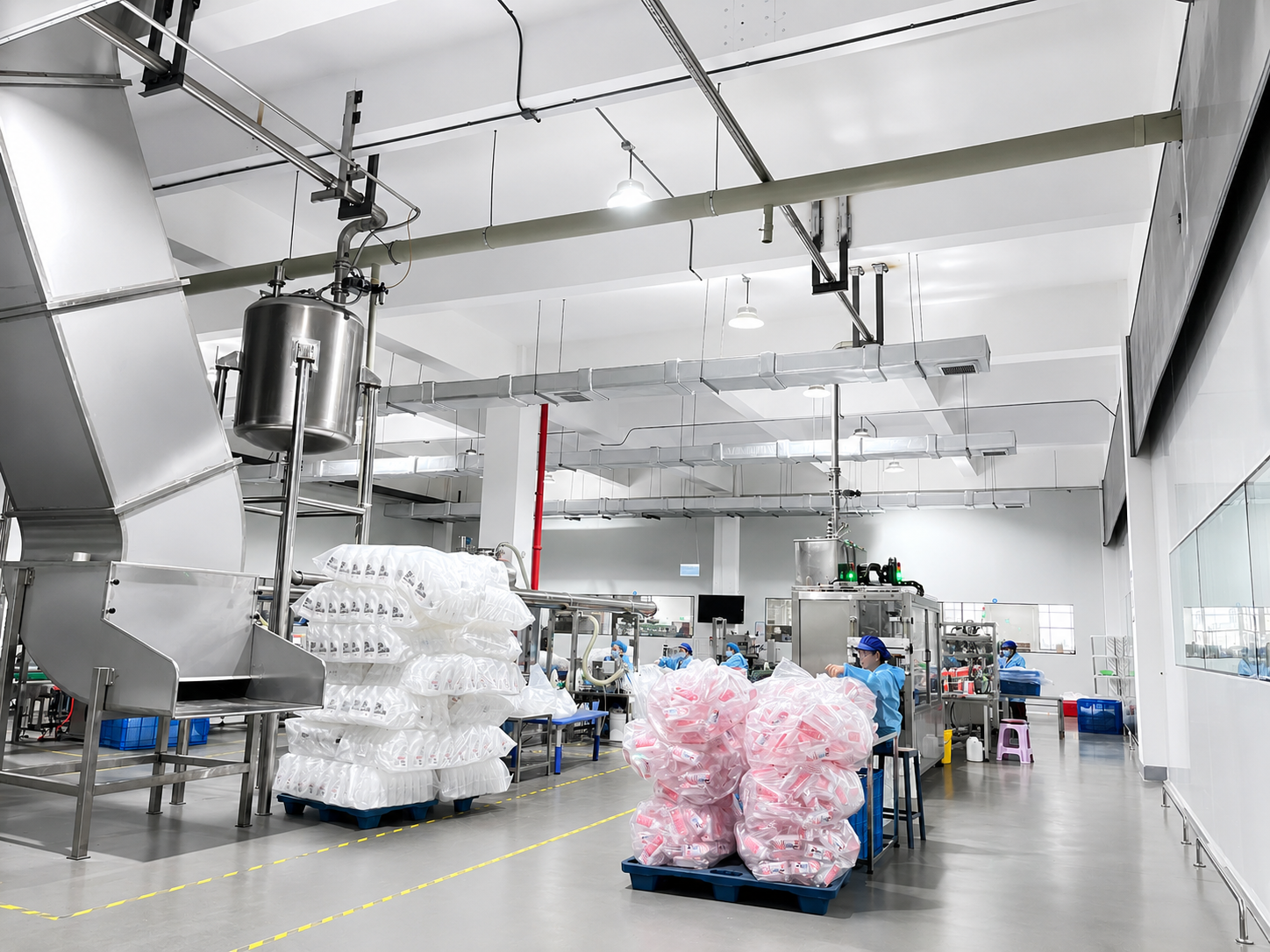
The company operates under a comprehensive quality management system and maintains strict production standards.
Support for Emerging Industries
Applications include:
-
Electric vehicles
-
Renewable energy
-
Consumer electronics
-
Industrial automation
Future Trends in Silicone Adhesives
Several trends continue driving market growth.
Higher Thermal Performance
Electronic devices generate increasing amounts of heat.
Advanced thermal conductive silicone adhesives will become more important.
Growth of Electric Vehicles
Battery systems require reliable bonding and sealing solutions.
Miniaturized Electronics
Smaller devices create new material challenges.
Silicone adhesives help support compact designs.
Sustainable Manufacturing
Manufacturers increasingly seek environmentally responsible materials.
Automation Compatibility
Future formulations will support automated dispensing and assembly processes.
Conclusion
Silicone adhesives have become essential materials across modern industries. Their combination of flexibility, temperature resistance, environmental durability, electrical insulation, and long-term reliability makes them suitable for countless applications.
From electronics and automotive manufacturing to renewable energy and industrial equipment, silicone adhesives continue solving complex engineering challenges. As technologies evolve and performance requirements increase, demand for advanced silicone adhesive solutions will continue growing.
For manufacturers seeking reliable bonding, sealing, insulation, and protection, silicone adhesives remain one of the most versatile and effective material choices available today.
https://www.fairylink-adhesive.com/products
Dongguan Xianqiao Additives Industrial Co., Ltd