Understanding the Core Innovation Behind Poclight's Diagnostic Platform
In the world of in vitro diagnostics, laboratories and point-of-care settings have long grappled with a familiar set of obstacles: complex liquid-handling systems, cold chain logistics for reagents, bulky instrumentation, and slow turnaround times during emergencies. Nanjing Poclight Biotechnology Co., Ltd., operating under the brand Poclight, developed its Chemiluminescence Resonance Energy Transfer (CRET) technology specifically to address these industry pain points. As the foundational technology platform behind Poclight's 5th generation In Vitro Diagnostic (IVD) systems, CRET represents a fundamentally different approach compared to conventional Chemiluminescence Immunoassay (CLIA) systems that rely on magnetic bead separation and washing steps.
What Is CRET Technology?
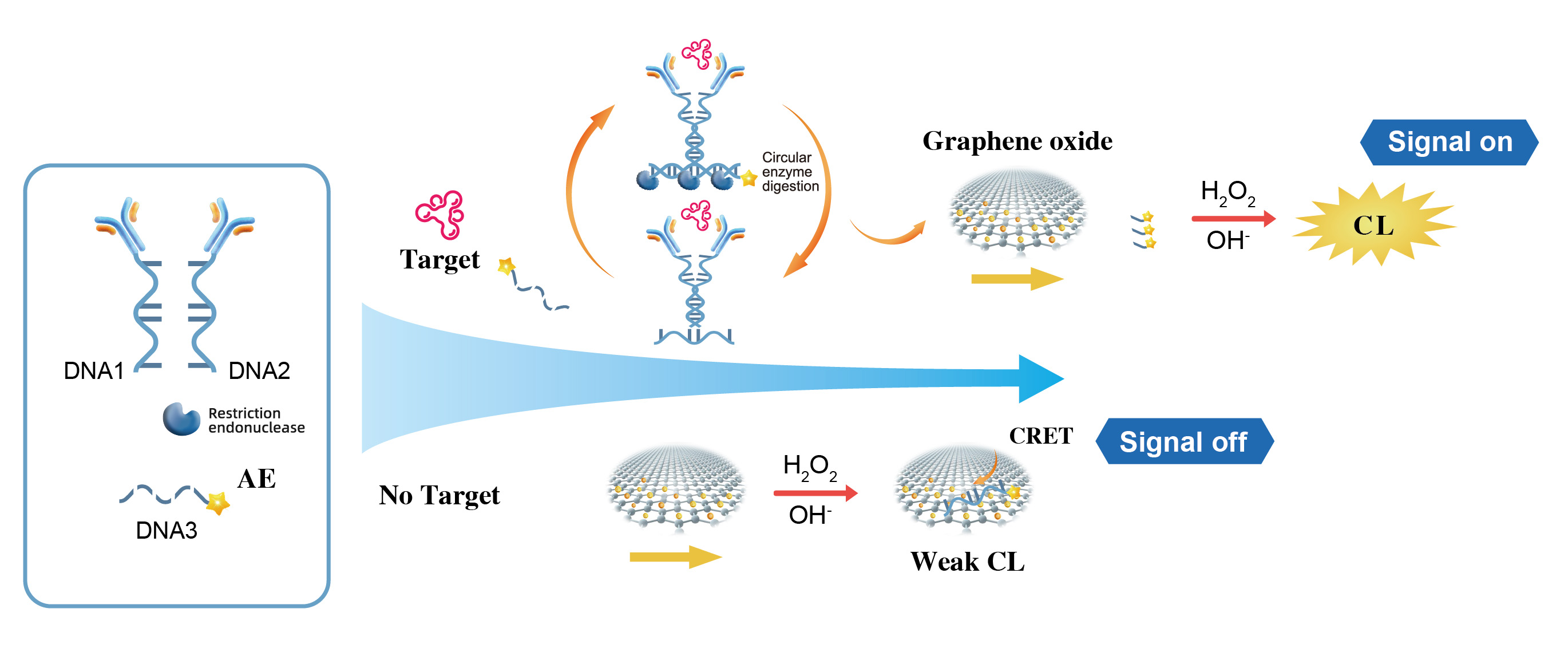
CRET is a proprietary, no-wash, no-separation homogeneous immunoassay platform. Unlike traditional CLIA systems, which require multiple liquid-path steps, magnetic bead separation, and washing cycles to isolate the signal-generating complex, CRET eliminates these intermediate steps entirely. The technology is built on the CRET principle, which uses Acridine Ester and Graphene Oxide quenching to generate a measurable signal directly within a homogeneous solution. This design allows the platform to achieve high sensitivity without depending on magnetic beads, a hallmark feature that distinguishes it from legacy chemiluminescence systems.
According to Poclight's technical documentation, this is currently the only technology of its kind: the company is described as the sole company worldwide with an authorized CRET patent for IVD applications, underscoring the proprietary and patented nature of this method.
How CRET Differs From Traditional Immunoassay Methods
Process Simplification
The most immediate difference lies in workflow. Traditional magnetic bead-based assays require sequential steps of binding, washing, and separation before a result can be measured. CRET's homogeneous immunoassay approach removes these steps altogether. Per Poclight's data, this no-wash, no-separation process results in a 70% reduction in time and expenditure for clinical testing procedures. This is not a marginal improvement—it reflects a structural change in how the assay itself operates, rather than a simple acceleration of existing steps.
Technical Superiority Without Complexity
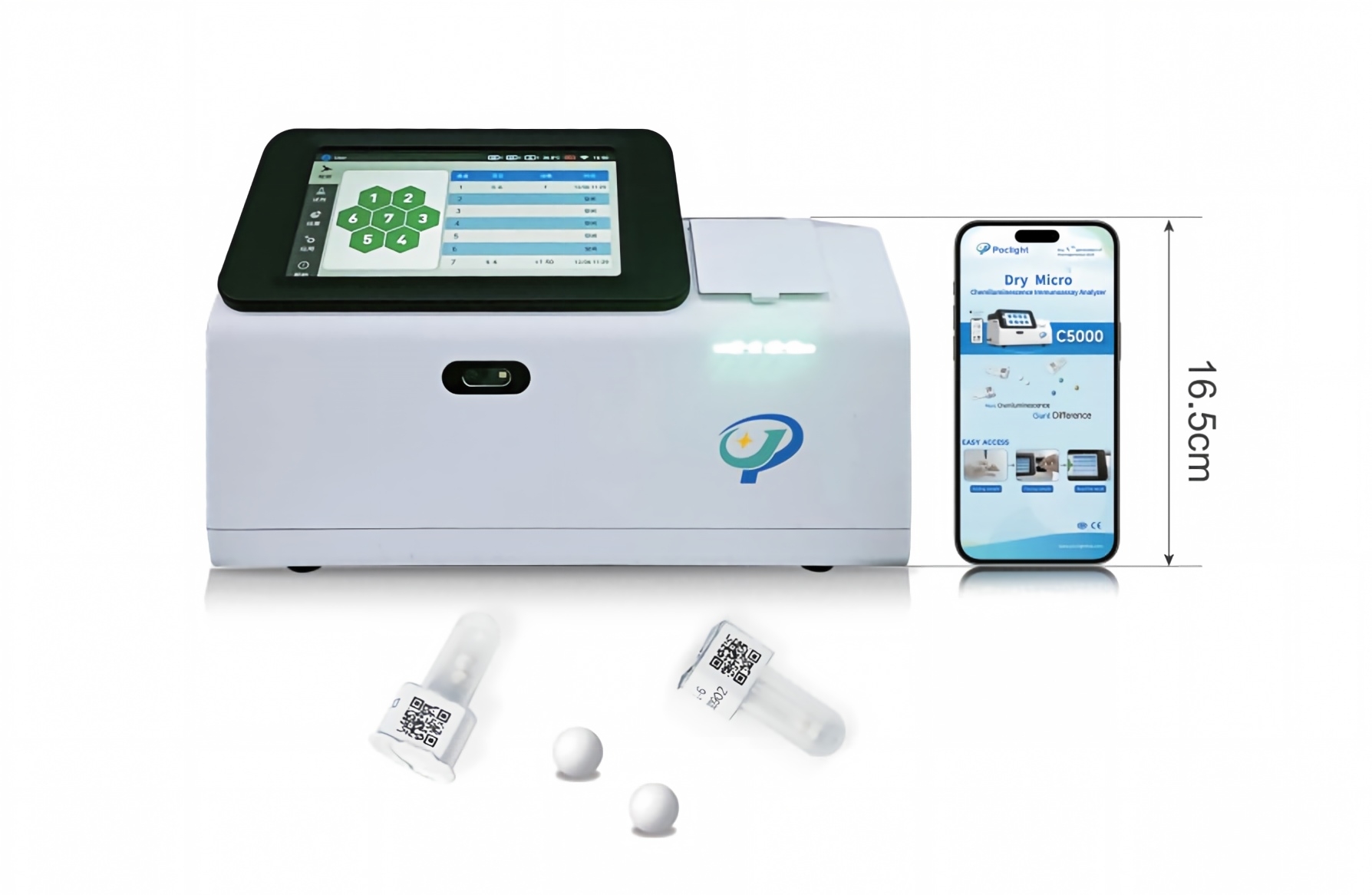
Because CRET does not depend on magnetic separation, the instruments built around it do not require internal liquid paths for washing or separation cycles. This has a direct engineering consequence: the C5000 Micro-Chemiluminescence Immunoassay Analyzer, Poclight's flagship diagnostic instrument built on the CRET platform, operates without internal liquid paths, making it a maintenance-free system with no hidden cleaning or consumable costs. This is a direct technical outcome of the CRET method itself, not an isolated design choice.
Reagent Stability and Logistics Impact
CRET's homogeneous chemistry also enables the use of lyophilized spherical beads as the reagent format. These reagents are stable at 2-30°C for 18 months, eliminating the need for cold chain shipping and storage that traditional reagents typically require. This translates into a 50% reduction in logistics costs, a figure directly tied to the elimination of cold chain requirements enabled by the CRET-based lyophilized reagent design.
Instrument Footprint and Portability
Because the CRET method does not require the mechanical complexity of wash stations and fluidic separation systems, instruments can be engineered with a significantly smaller footprint. The C5000 analyzer weighs approximately 8.5kg and fits an A4 footprint, representing an 80% weight reduction compared to traditional analyzers. This makes the platform suitable for space-constrained environments such as small clinics and decentralized health centers—settings where traditional CLIA analyzers are simply impractical.
Speed and Sensitivity in Practice
Results from the CRET-based platform are delivered in 3-15 minutes, a range that reflects the elimination of wash and separation delays inherent to older methods. Sensitivity is maintained through Photon Multiplier Tube (PMT) detection, ensuring that the speed gains do not come at the expense of lab-grade accuracy. This combination—fast turnaround without compromising sensitivity—is a direct benefit of the CRET principle's homogeneous, quenching-based signal generation.
Real-World Application of CRET-Based Diagnostics
The practical differentiation of CRET technology is reflected in how it has been applied across various healthcare settings:
Emergency Chest Pain Centers: Facilities implementing the C5000 Micro-CLIA Analyzer for rapid cardiac biomarker testing reported a substantial reduction in door-to-balloon time, illustrating how CRET's rapid turnaround directly supports time-sensitive emergency decision-making.
Community Health Centers: By combining the C5000 analyzer with lyophilized reagents, community health centers were able to bring CLIA-level sensitivity to primary care settings without the large infrastructure typically associated with traditional laboratory chemiluminescence systems.
ICU Sepsis Management: The synergy of Procalcitonin (PCT) and Interleukin-6 (IL-6) testing on the CRET platform accelerated clinical decision-making for sepsis response, demonstrating how the no-wash, no-separation process supports rapid infection diagnostics in critical care.
Decentralized Women's Care: Benchtop CRET-based CLIA integration enabled lab-quality endocrine and fertility monitoring directly within clinic settings, extending diagnostic capability to decentralized care environments.
Certification and Recognition
The CRET platform's reliability is supported by third-party certifications, including CE Certification, ISO 13485 Certification, NMPA certification, and NGSP certification. These credentials reflect adherence to recognized quality management standards and regulatory requirements across the markets where Poclight's technology is deployed, spanning South Asia, Southeast Asia, the Middle East, Africa, and Latin America.
Conclusion: A Structurally Different Approach to Immunoassay Testing
What ultimately sets CRET technology apart is not a single feature but a chain of interconnected outcomes stemming from one core design decision: removing the wash and separation steps from the immunoassay process. This single change cascades into faster results, simplified instrument design, reduced maintenance needs, smaller device footprints, and reagent formats that no longer require cold chain logistics. For laboratories, emergency departments, primary care clinics, and veterinary practices seeking diagnostic solutions that address space constraints, operational complexity, and turnaround-time pressures, Poclight's CRET-based platform offers a technically grounded alternative built around a patented, homogeneous immunoassay method rather than incremental modifications to legacy chemiluminescence systems.
www.poclight.com
Nanjing Poclight Biotechnology Co., Ltd